


Welcome to another week of our Castle Chronicle.
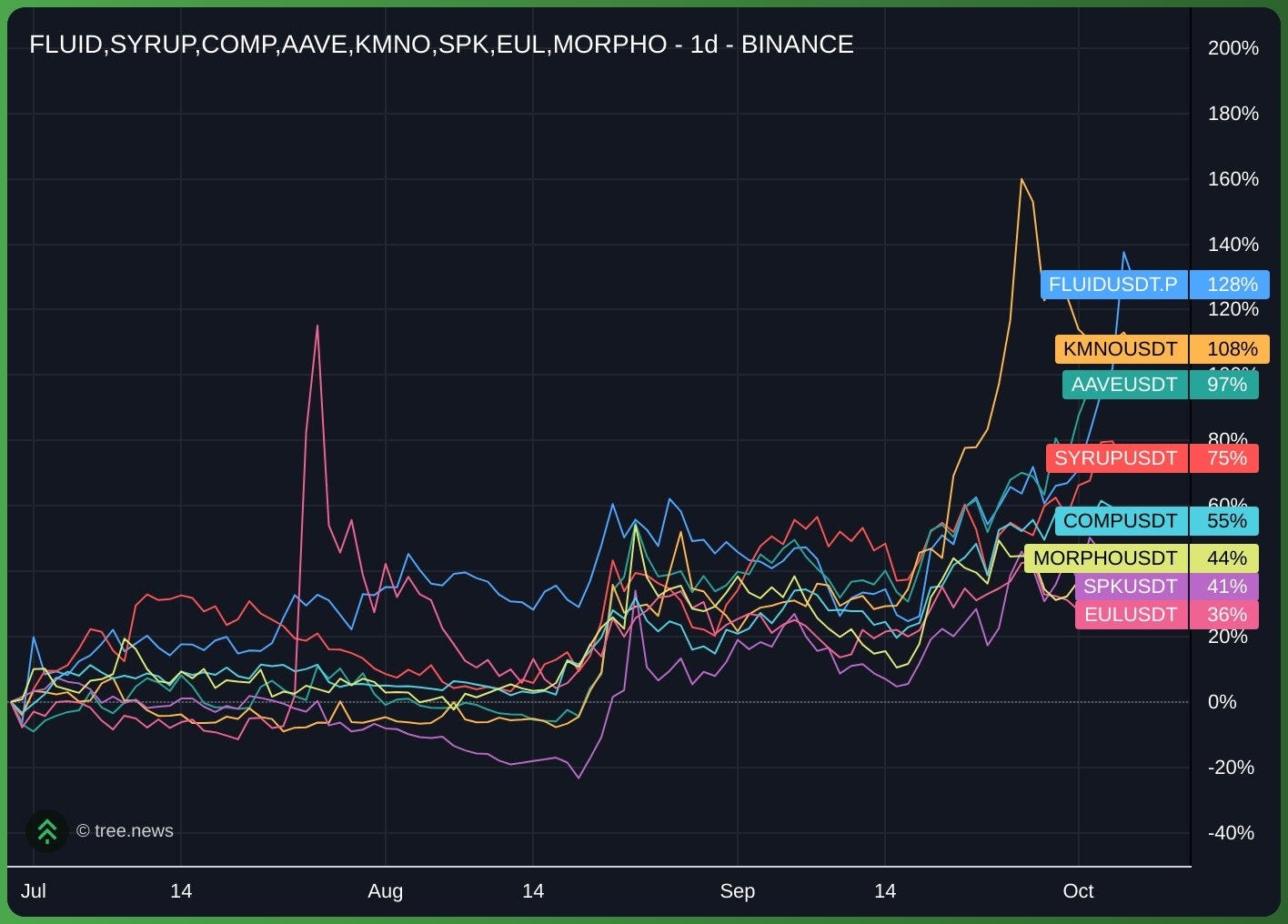
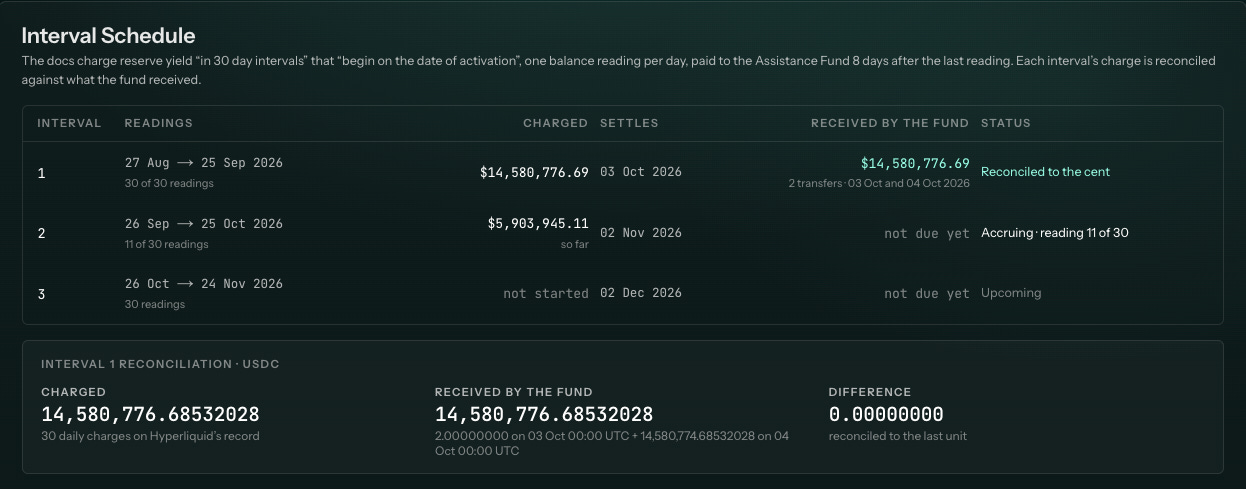
This week brought great announcements and market moves. The AQAv2 reserve yield of $14.58 million starts to accrue value to HYPE through buybacks, and lending tokens are repricing.
The U.S. regulatory stance continues to evolve, with the CFTC making two major announcements around leveraged trading for U.S. users, and we have the first permissioned pool to trade tokenised equities using Uniswap v4 hooks, built in collaboration with OKX and NYSE.
With this, we also cover:
DePIN and its relation to frontier markets like AI and Robotics.
Dialectic vaults for MAG7 tokenised equities.
Monad is growing consistently, and its token is pacing up too.
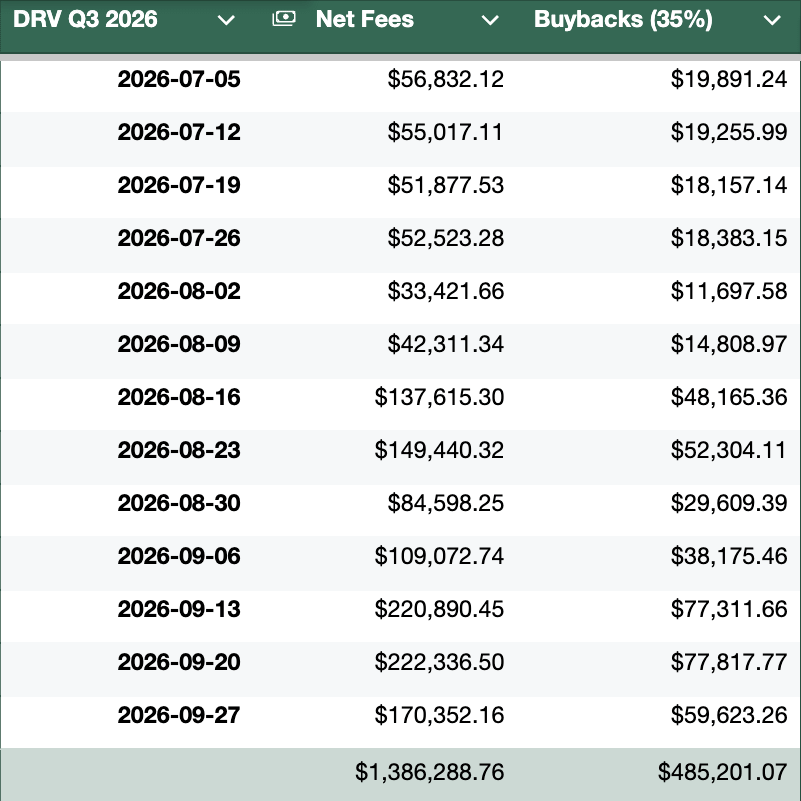
Migration to Derive V3 is officially scheduled for today, and the proposal to set the buyback rate from 35% to 50% has passed.
EtherFi launched its own stablecoin powered by Ethena.
And more.

This week’s newsletter is brought to you by NoRekt - borrow USDC against ETH, protect your loan from liquidation, and get up to $225 in ARB rewards.

The Market is Repricing DeFi Lending
Lending protocols are a core part of onchain finance because they enable different yield-earning opportunities. Today, these assets are repricing because they are active businesses generating strong revenue and growing, with RWAs and borrowing against tokenised equities playing a crucial role too.
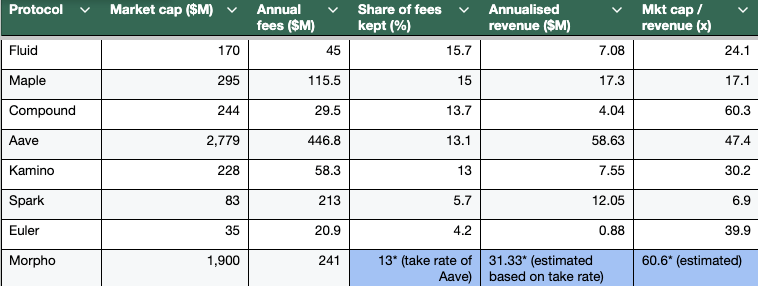
To better understand their growth and valuation, we calculate their P/S ratio. For most protocols, this ratio is above 20, which can be highlighted as “overvalued”, but the market isn’t pricing them based on just revenue but more so on their future growth and the market they can essentially target, which is much larger: the yield sector.
Protocols like Aave have already taken the initial step in this direction by launching the Aave app and providing onchain yield to daily retail users in an abstracted UI. Morpho is attracting institutions to launch vaults on their infrastructure; the growth the lending sector can achieve is often miscalculated.
As you’ll see in the table below, we calculate Morpho’s P/S based on the average fee take rate from protocols like Aave and Kamino, since it currently doesn’t generate revenue, which puts its P/S ratio at 60.
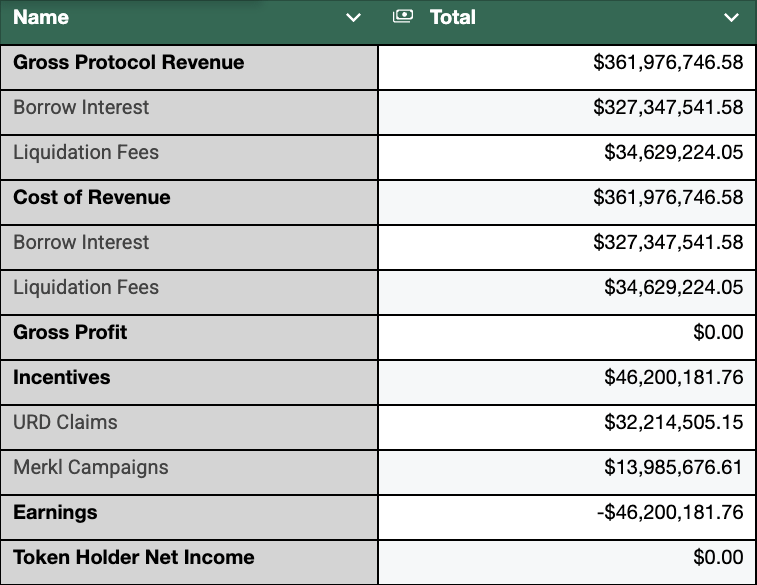
Morpho is currently running on a net loss of $46 million. Enabling a take rate on fees could be a path to profitability and generate tokenholder revenue.

The U.S. regulatory shift is real
CFTC made two major announcements on Monday, October 5th regarding crypto regulations:
CFTC opened a comment period on a possible new Federal License, the “crypto asset market”, which would let exchanges legally offer leveraged crypto trading to U.S. retail.
Separately, CFTC gave registered U.S. exchanges a short window (until October 20) to turn their existing perpetual-style stock index futures into true perpetuals by removing the expiry date. This follows similar relief for crypto perps in June and extends the perp structure to equities onshore.
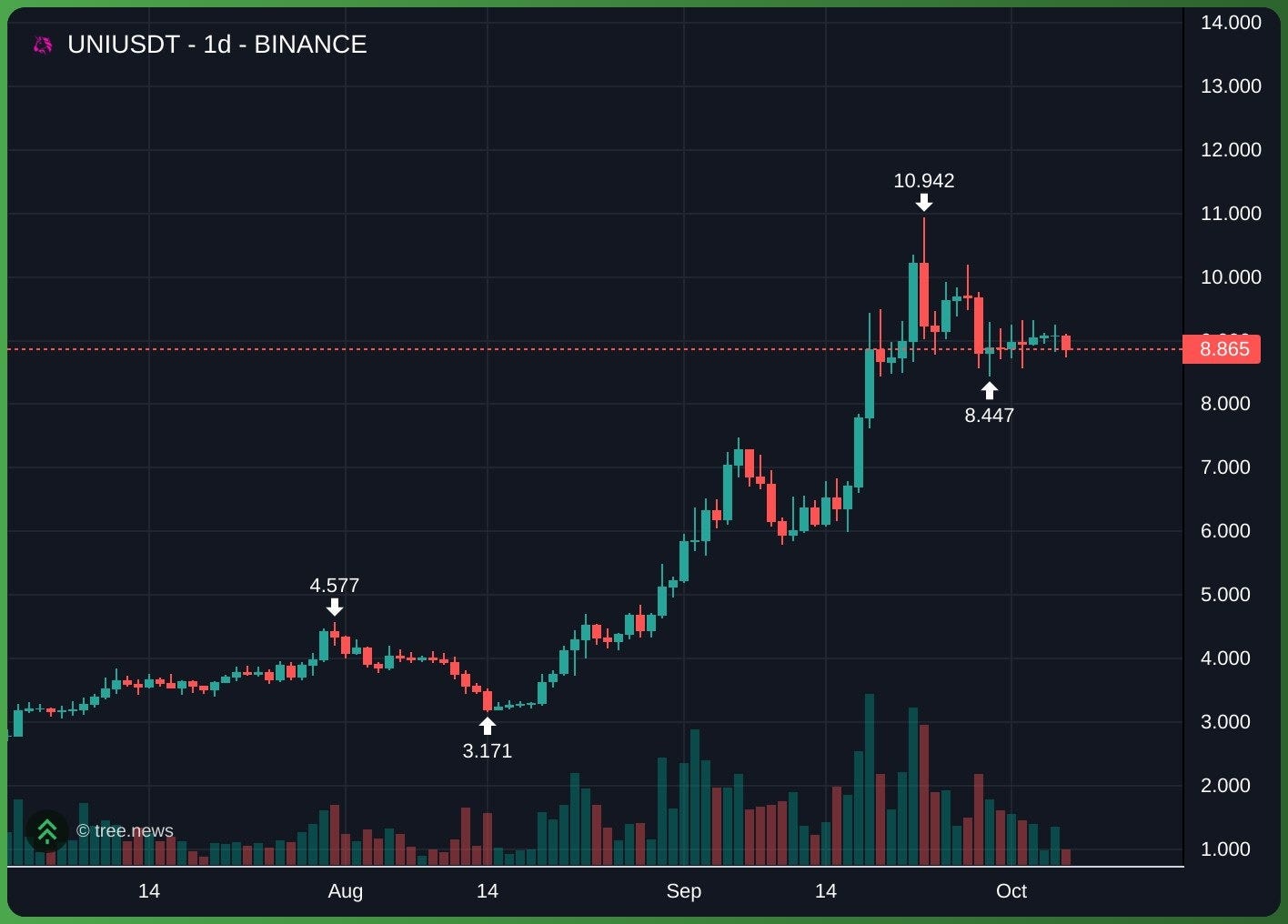
Another major development is OKXICE, a joint venture between OKX and ICE (parent company of NYSE). On September 17th, the SEC issued an exemption allowing certain venues to trade tokenised U.S. stocks without registering as exchanges. They essentially permitted permissioned environments to support this trading, and that is what OKXICE is bringing to X Layer (OKX’s own EVM L2) through Uniswap v4 hooks that restrict pools to KYC’d wallets. This gives Uniswap the exposure to a new market, helping boost its revenue base.
DePIN and Frontier Markets
AI models are built on data scraped freely from the public web, and that supply is now running out. Robotics has it worse, since the data needed to train robots or self-driving cars wasn’t available online in the first place.
These companies are already paying for the data they couldn’t get for free; for example, Google pays Reddit $60 million a year for the data, and similarly OpenAI have a deal with News Corp.
This data can also be supplied from one of the older crypto sectors: DePIN
Before getting into how, let’s rewind to how a DePIN protocol works. They usually run on a simple supply-and-demand flywheel. Network data providers are incentivised with project tokens, and businesses use that data to accrue revenue, which they can use to buy back and burn the original incentive token.
The data they collect over the years carries more weight in today’s market dynamics.
GEODNET is one of the clearest examples. Ordinary GPS is accurate to a few meters, which is not enough for a drone or a robot. A fixed ground station, for example, can reduce this error to about a centimetre. GEODNET paid individuals GEOD tokens to host these stations and now has over 20k+ of them. Similarly, protocols like Hivemapper pay drivers for dashcam footage, and robotaxi companies pay for the resulting map data. Grass users share spare internet bandwidth for incentives, and AI companies pay for the web data collected.
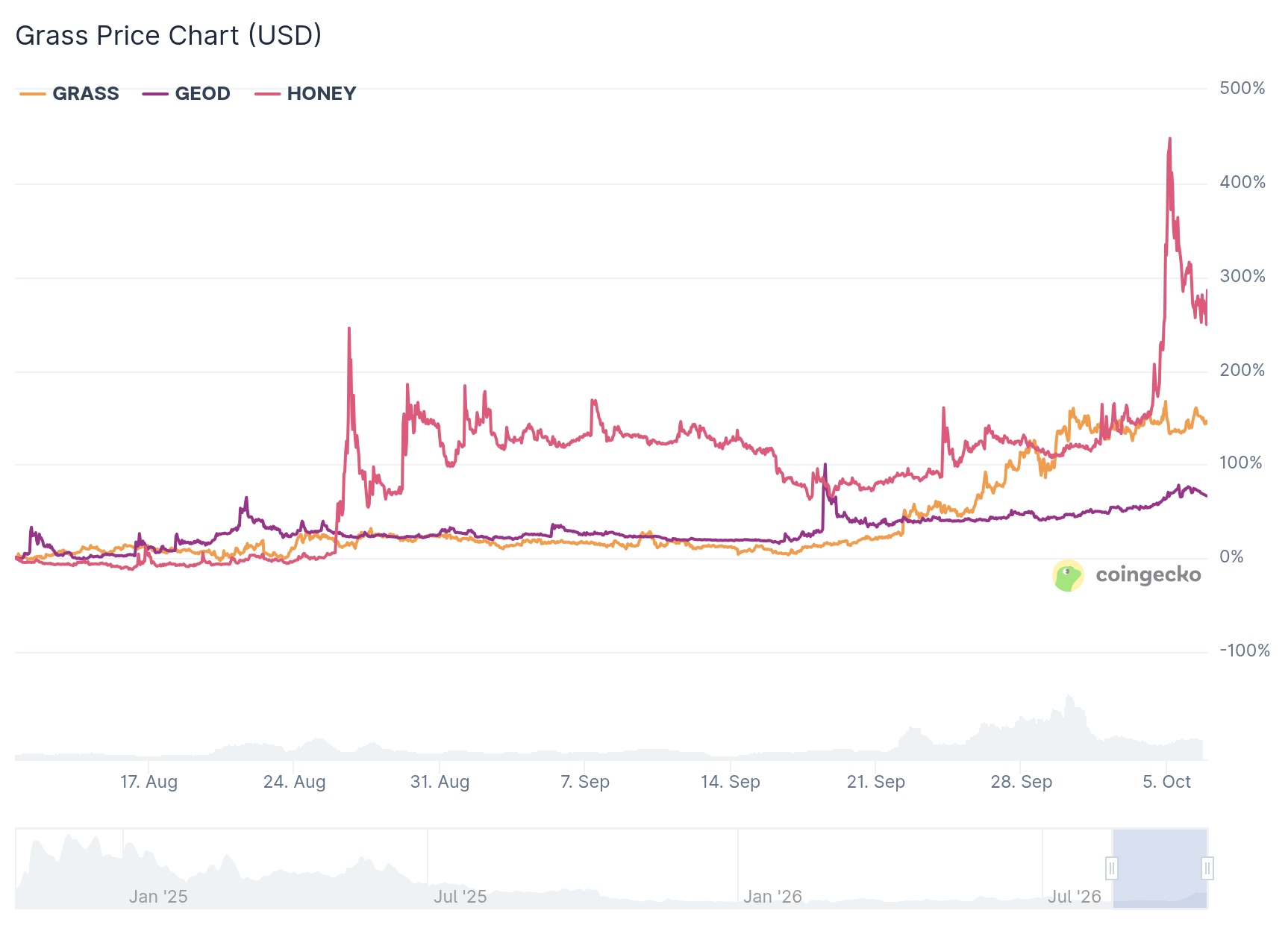
These are just a few of the companies we mentioned; the list goes on, and it’s hard to cover it all in this short section, but the key point is this: data produced by DePIN projects is becoming relevant for both AI and Robotics.
Kinetiq S2 concluded: surprise surprise
Kinetiq ended its kPoints program on October 1. Instead of the airdrop many users hoped for, they gave point holders the right to buy KNTQ at a fixed $0.26. The token fell after the news, essentially closing the gap between the discounted price and the market price.
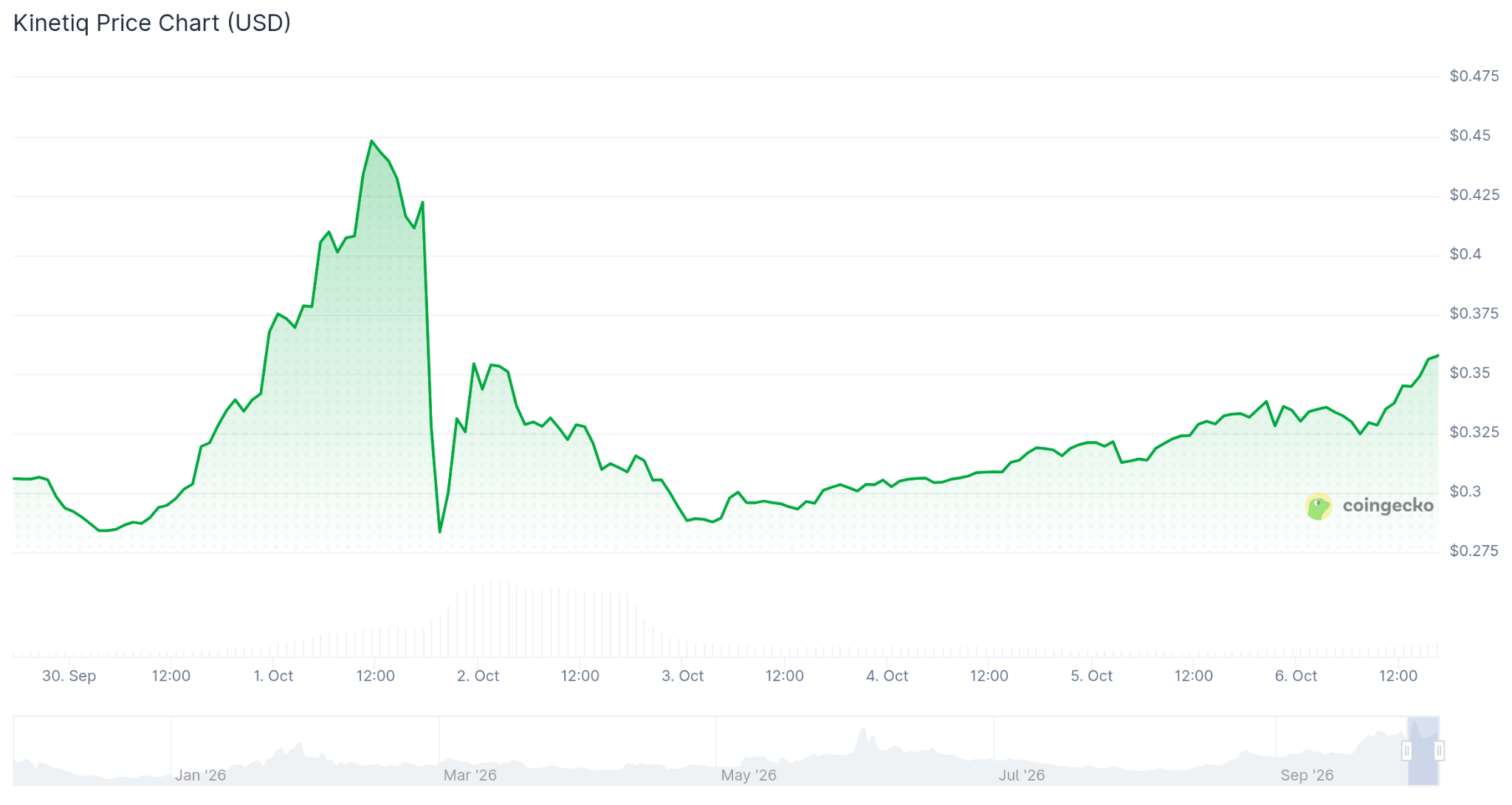
Kinetiq initially rejected a fundraising round with investors worth about $20 million at a $250 million valuation, or $0.25 a token. They turned this points program into a community round; if they had taken the original deal, it would have created a long-term supply overhang that would have affected the project’s trajectory.
On our Radar

Dialectic launched vaults for the MAG7 tokens onchain, built on top of Makina Finance. They take user-deposited tokens from their vaults, borrow against the stock collateral on the Aave v4 market, and deploy the borrowed capital into a higher-yield opportunity, giving the spread between the yield and the borrow rate to the original depositors.
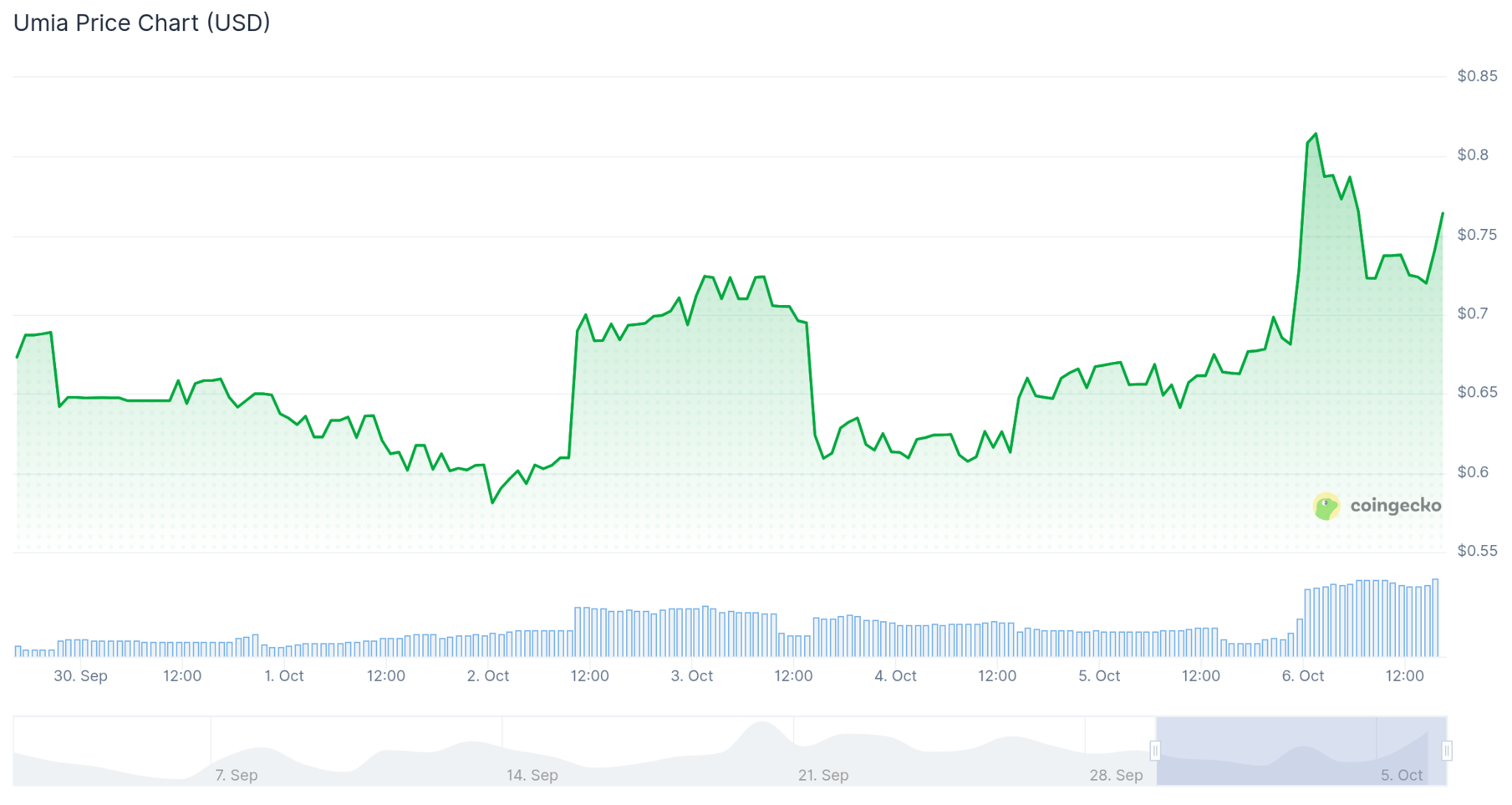
Umia raised $6.1m in its latest public auction at $18 million FDV. Moments after the news broke, the token surged and now trades at $38 million FDV.
Polymarket announced V2 yesterday, with updates on scalable infrastructure and multiple resolution adapters, and Shayne Coplan, Polymarket’s founder, may have teased a token launch. Polymarket has already made over $100 million in revenue after turning the fee switch, reflecting its growth. If they decide to launch a token and then do an airdrop, current market conditions mostly support it.
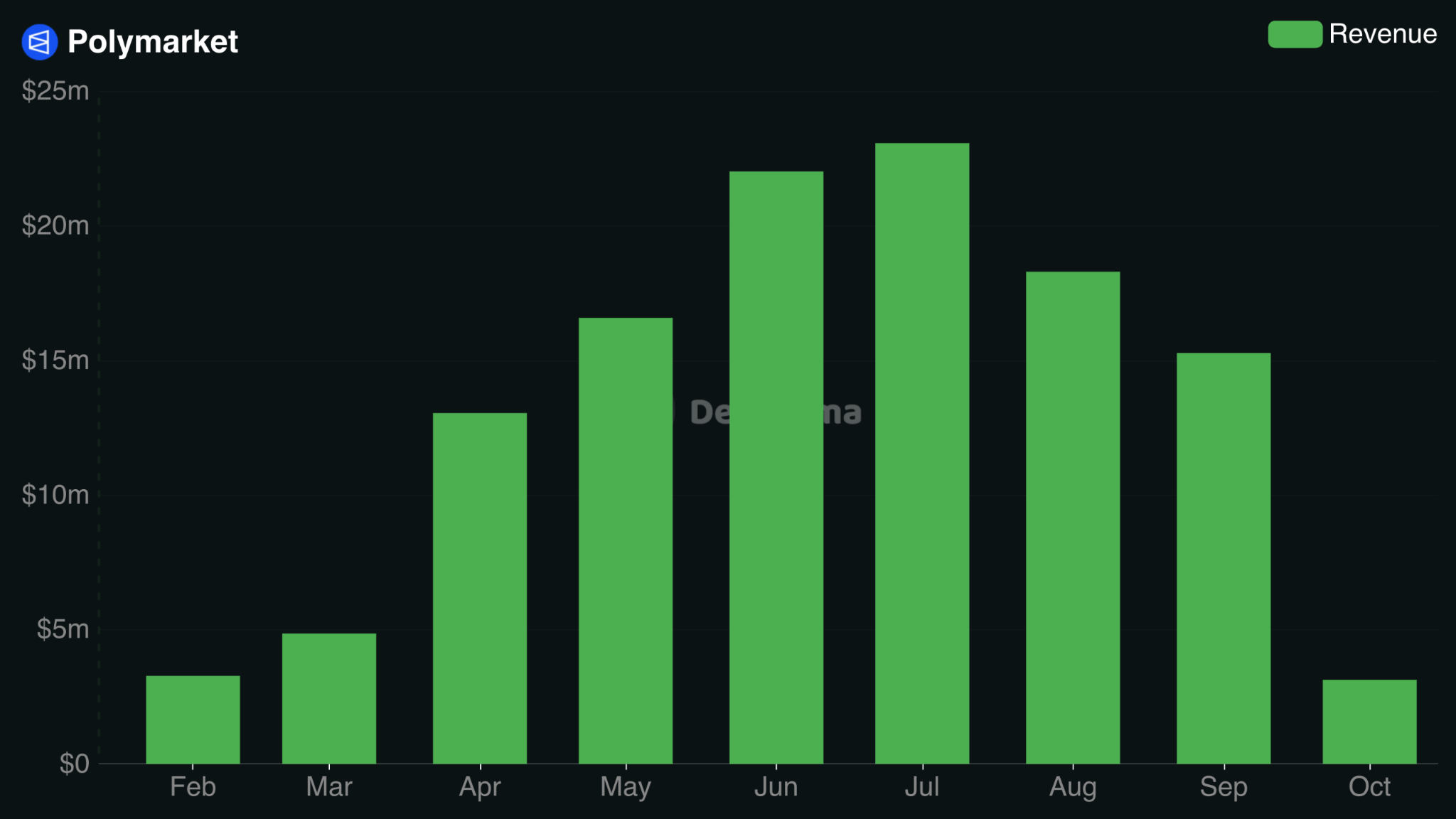
CME is dropping plans for 24/7 oil trading, and TradeXYZ maintains its moat and lead in the sector.
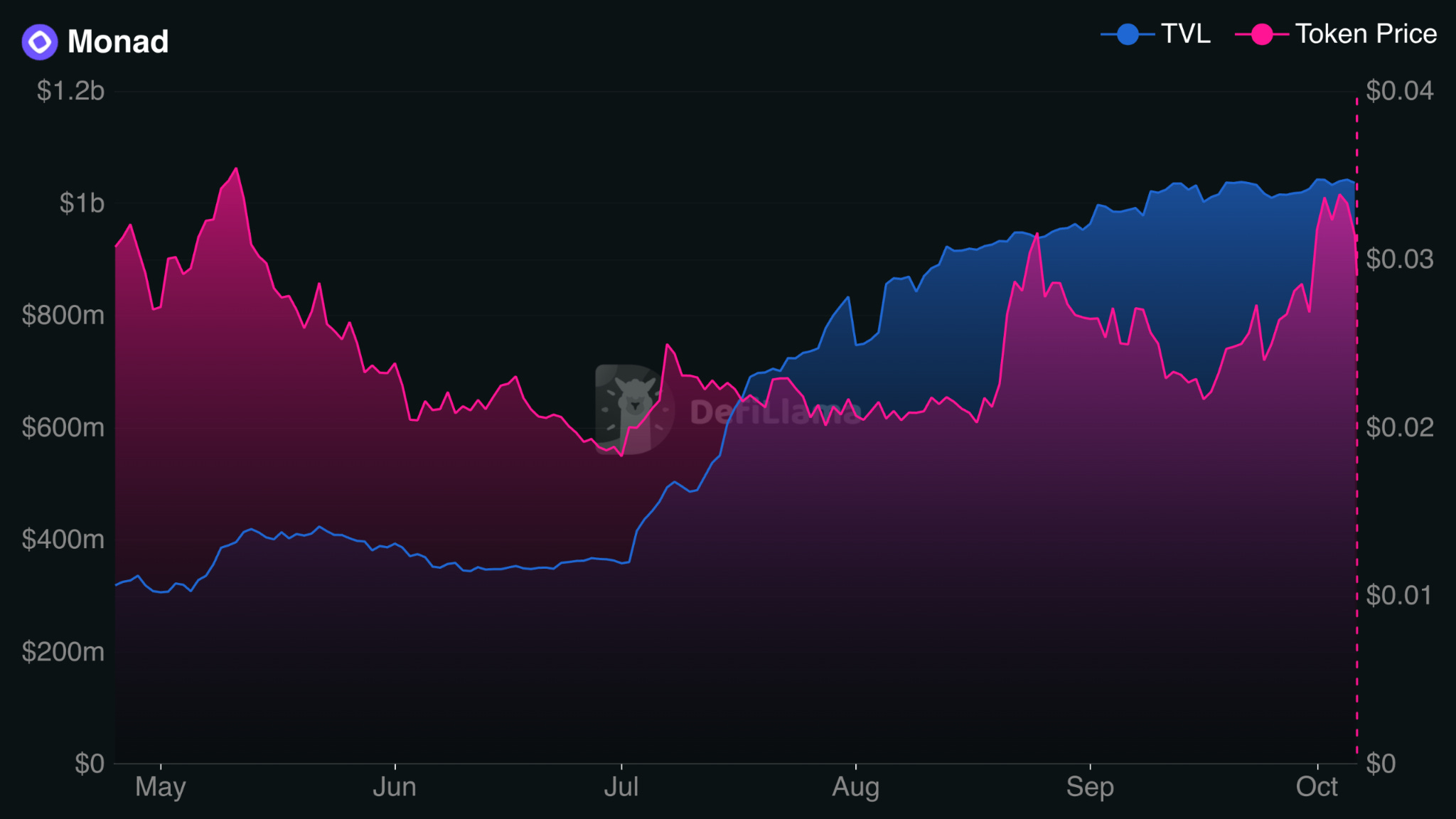
The Monad ecosystem is quietly growing, with over $1 billion in TVL. Its token is also near an ATH, and it went live on Robinhood today.
First reserve yield from AQAv2 hits HYPE token and is expected to accrue over $200 million a year.
Derive V3 migration is scheduled for today at 6 pm UTC, and the proposal to increase the buyback rate from 35% to 50% has also passed. Derive’s revenue has grown at an average rate of 35% QoQ this year. Following a similar trajectory, it could generate over $900k in buybacks and $1.8m in fees in Q4.
EtherFi launched its own stablecoin ether.fi USD powered by Ethena. Over $300 million in stablecoins are already live on EtherFi; through this launch, they can leverage reserve yield economics to expand the business.
That’s a wrap.
See you next week.
Every week for the last 3 years, we have shared our research for free, directly in your email. Not a subscriber yet? Let’s fix it:

PLUS, don’t forget to join our Telegram channel for the latest updates from Castle and all our research: Link here

Disclaimer: In our newsletter, we may discuss projects or tokens in which we hold positions. While we aim to provide informative content, our views are not financial advice. Please conduct your research and consult professionals before making investment decisions. Crypto markets are volatile, and past performance doesn’t guarantee future results. Invest responsibly, and be aware of the risks. Your capital is at risk, and we do not accept liability for any losses.