

Welcome to another edition of the Castle Chronicle.
This week was quite interesting as CT is discussing the relationship between the project and tokenholders, the death of DAOs, Hyperliquid expected revenue flows from AQAv2, and another stablecoin depeg or more so a hedge fund collapse?
In this week’s Chronicle:
Compound awards itself $52 million through a DAO Vote by representing 50% of the total votes.
EtherFi is expanding its app features and solidifying the link between its token and project success with buybacks.
The Neutrl Situation and how they handled it poorly by giving no information to creditors regarding how their strategy collapsed and the next steps.
The upcoming Hyperliquid AQAv2 activation and expected inflows.
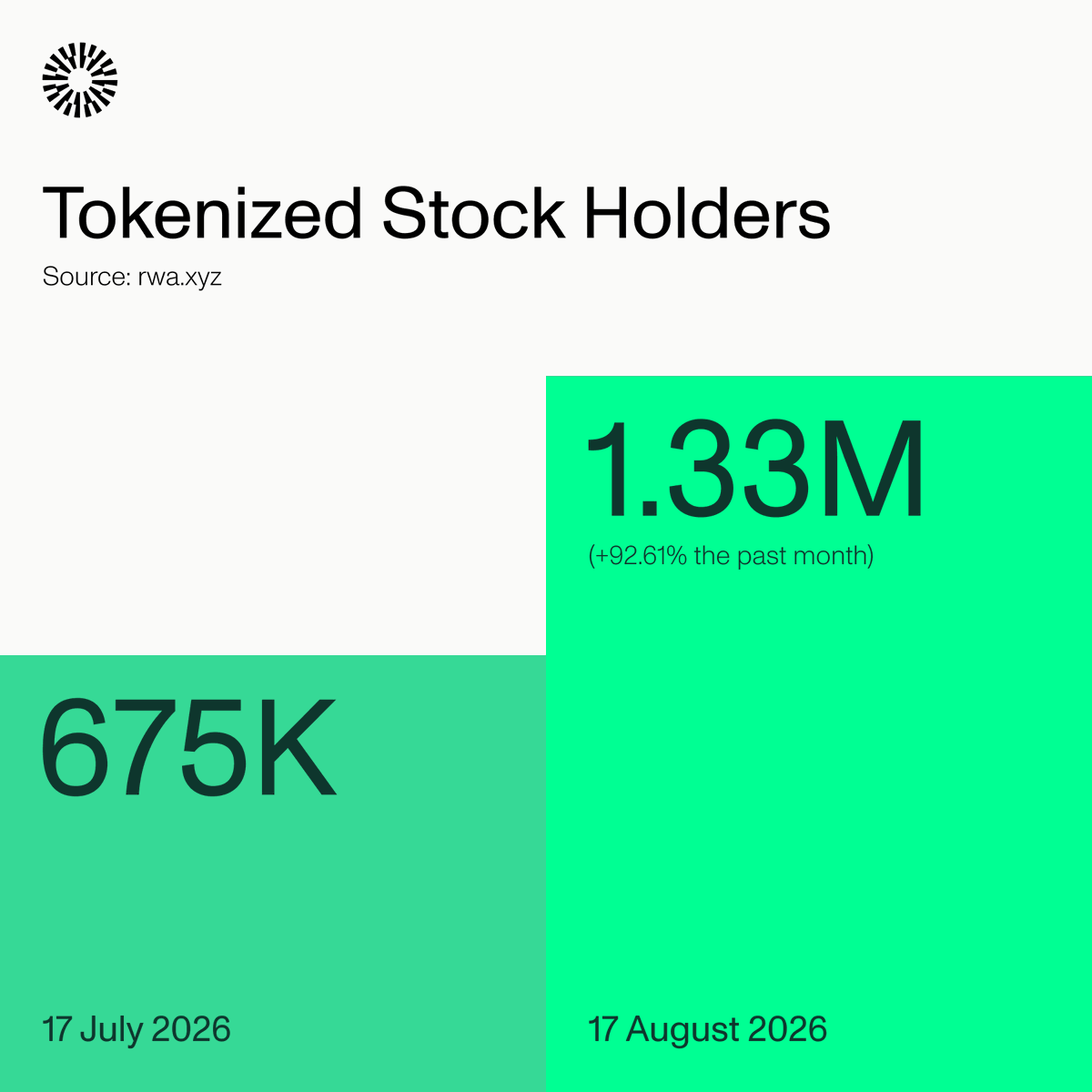
Mantle RWAs holder count doubled in a month.
Venice $VVV reached $100 million in annualised revenue.
On our radar: Increasing competition in HL Spot Equities, $MON buyback program closed, xStocks Hyperliquid launch, and Nasdaq 24/7 trading.

The Spiderman Meme: Compound Awards Itself $52 million through DAO Vote
DAOs are back, and probably not for good reasons.
After the ENS incident a few weeks ago, we have another interesting development this week: Compound announced a new leadership team and a $52 million ‘DAO-approved development plan’ to bring institutional credit onchain, as mentioned in their last post.
However, guess who helped the vote pass?

First, this proposal was submitted on the 3rd of May, so it’s been around for a while. The quorum for the Compound proposal was about 400k.
This went well over, with a total of 1.88 million votes.
However… About 50% of these votes (912.72k) came from the Compound Foundation, effectively awarding this grant to themselves.
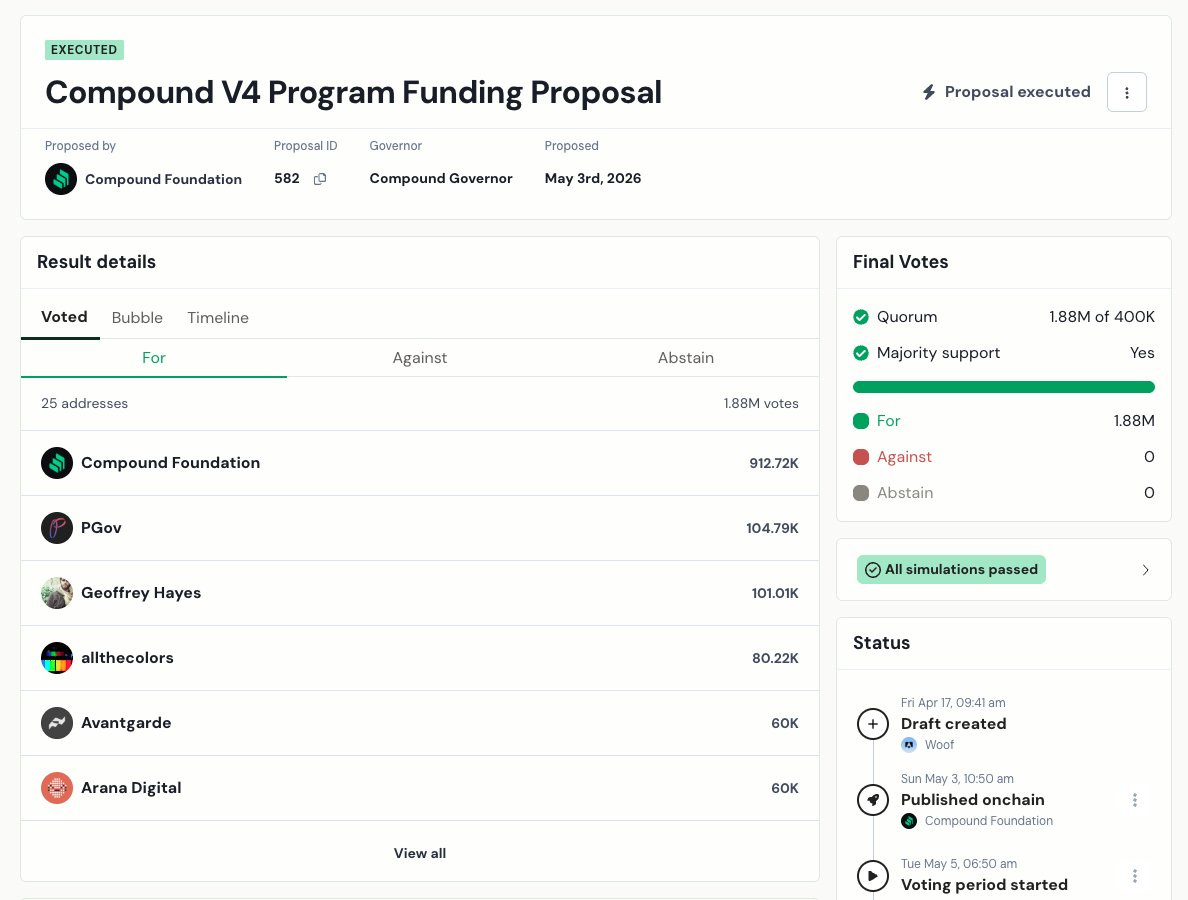
The low activity is evident in the number of voters in both directions.
We expect this trend to continue, with every DAO with a meaningful treasury being targeted by either their own teams or surrounding operations.
Is this the last stretch for DAOs?
The last run until all treasuries are empty?
What about alternatives? Among those, Lex Node often mentions cyber corps:


An evolution of the model for decentralised governance is warranted.
Becoming More than a Card
“Users don’t bank where they trade, but they sometimes trade where they bank.” - Eric, Flex
This statement fits most crypto cards, as they add features that abstract major economic activities in a single interface. The application which you use to spend daily is more likely to be used to trade. This is where the recent updates from EtherFi fit, as they introduce tokenised stock trading, borrowing against deposits through Aave, and soon perps.
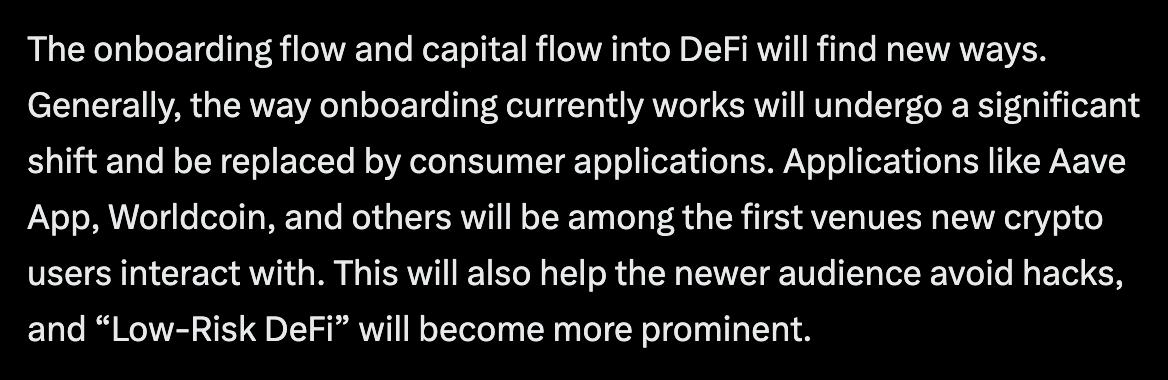
One of the predictions our analyst Noveleader made for 2026 was the changing onboarding flow and DeFi finding new capital flows.
Neobanks using more DeFi is the first step in that direction.
We rarely see consensus on a protocol’s roadmap and execution, but this week it seems everyone agreed that EtherFi has been one of the biggest surprises of the summer.
They recently held an investor call, sharing many updates:


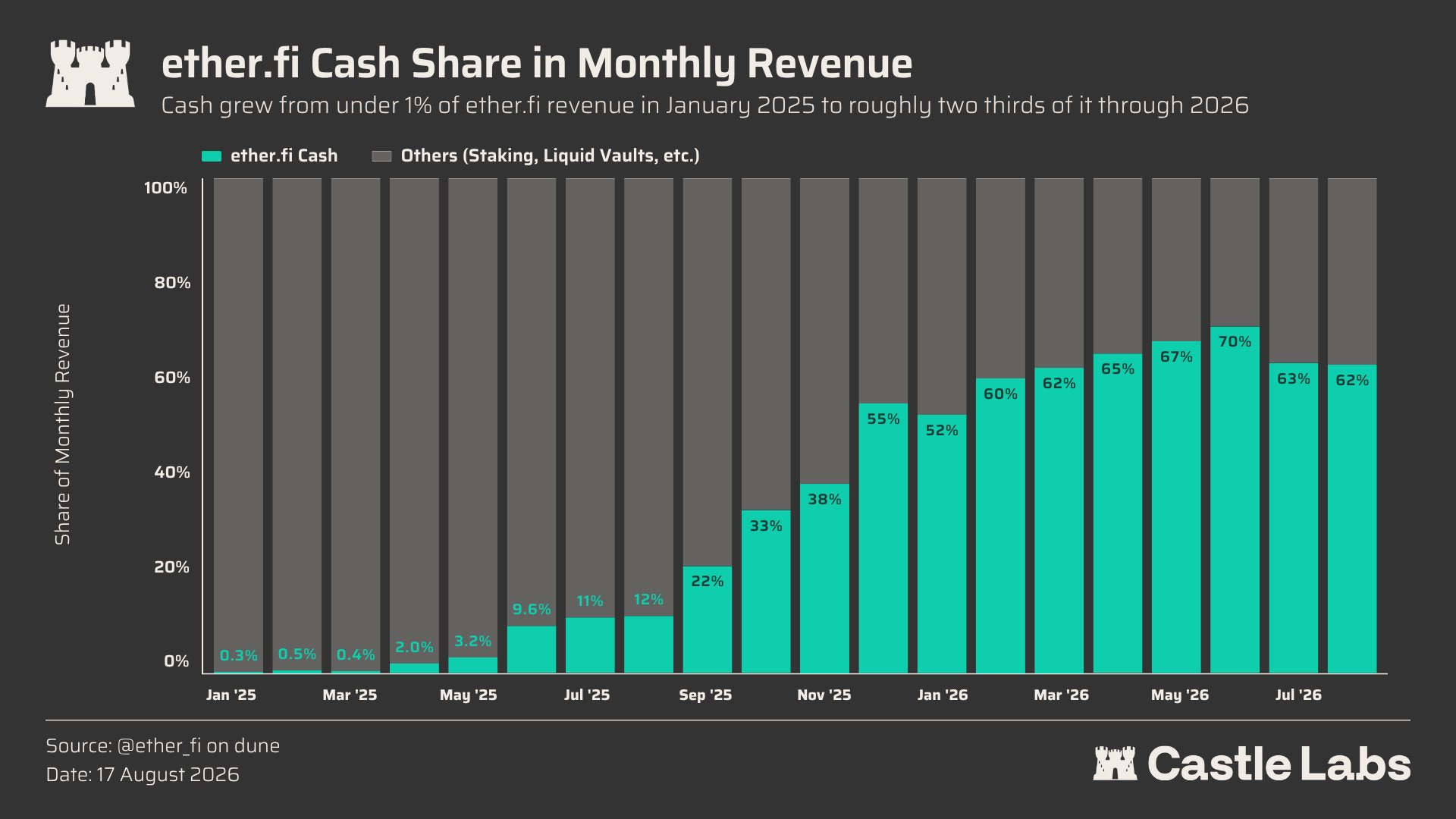
Based on historical numbers, we can expect over $1 million in monthly buybacks. These buybacks are expected to increase as EtherFi Cash grows its revenue through borrow and perps. Cash already represents >60% of EtherFi net revenue:
Is EtherFi summer going to continue?
Stablecoins are not so Stable
Last week, Neutrl paused minting and redemption after a brief announcement that did not state a clear reason for the issue. It’s been over 5 days since the post, and they haven’t followed up with any explanation or redemption plan.
Now sNUSD, Neutrl yield-bearing stablecoin (YBS), is over 60% off-peg due to uncertainty about what happened to the offchain strategies they have been running.
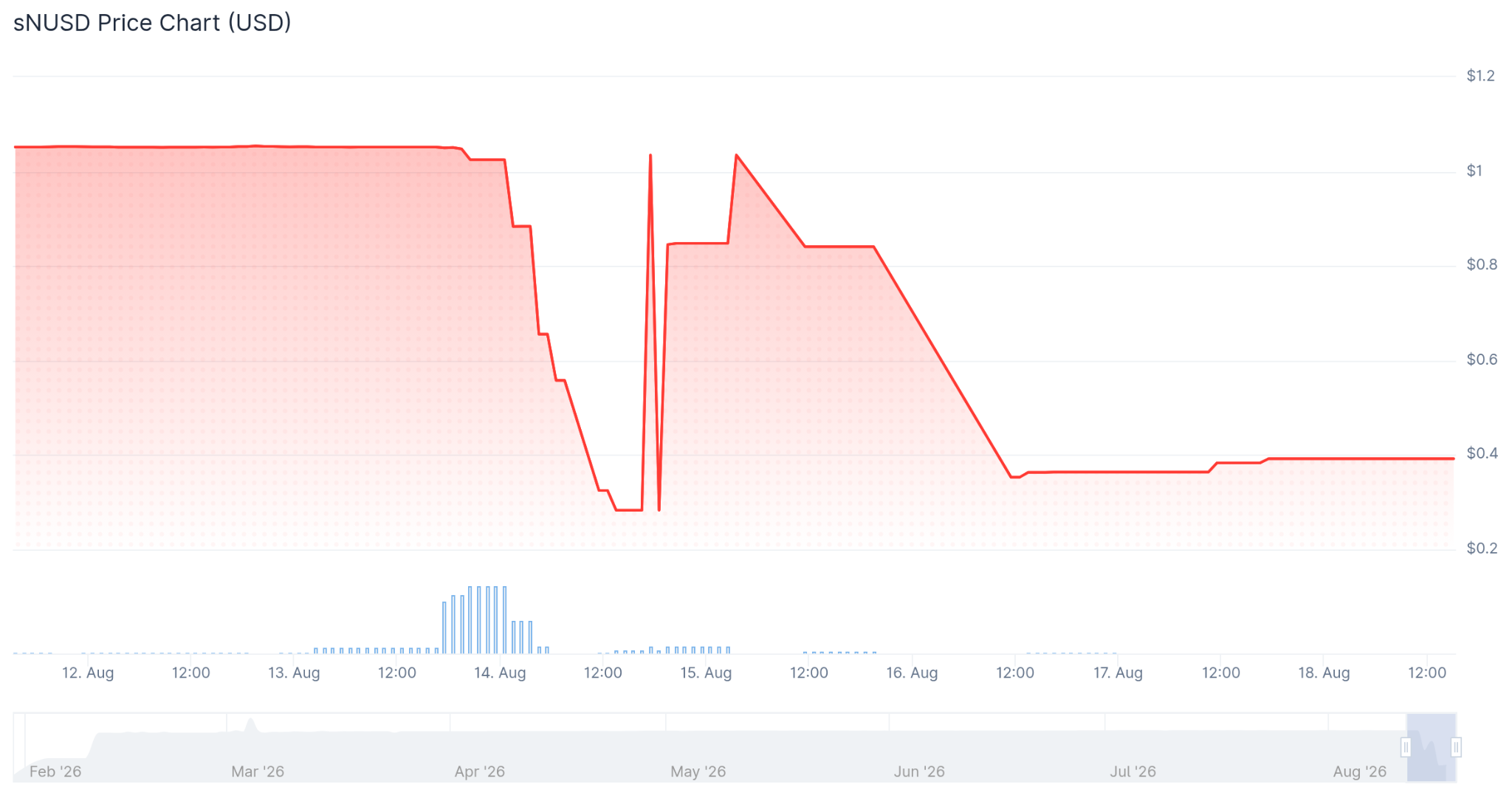
A hypothesis that made sense came from Ethan (though not confirmed): a possible hole in Neutrl’s OTC Arbitrage strategy and delta-hedged JLP, in which Neutrl allocated ~18% and ~17%, respectively.
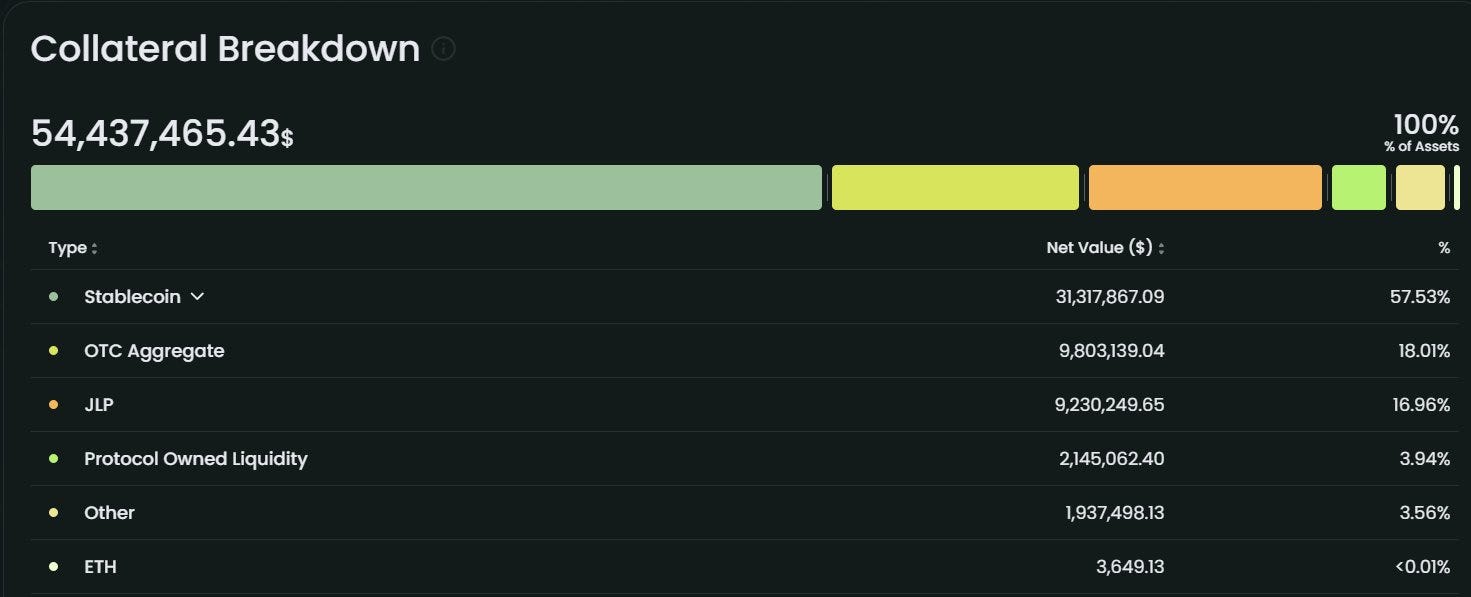
In the OTC Arbitrage Strategy, Neutrl buys the locked vested tokens and shorts them until the unlock to remain delta-neutral. However, if market makers artificially pump the token, funding rates can go deeply negative, leading to a loss for Neutrl. Another reason could be the delta-hedged JLP allocation, which they recently allocated to.
In any case, the maximum exposure seems to be ~18% because their other allocations weren’t highly risky.
In the end, it’s also wrong to label any of these assets as “stablecoins” because they are more like a hedge fund running a certain strategy.
Hyperliquid AQAv2 Activation (26th August)
On our radar for the next week is surely the activation of AQAv2 on Hyperliquid, expected on the 26th of August.


This is expected to add buyback pressure from USDC increasingly, capturing value from the stablecoin flow onchain.
Basically, about 90% of the reserve yield on USDC deposits will flow to the Assistance Fund and, as a consequence, purchase HYPE.
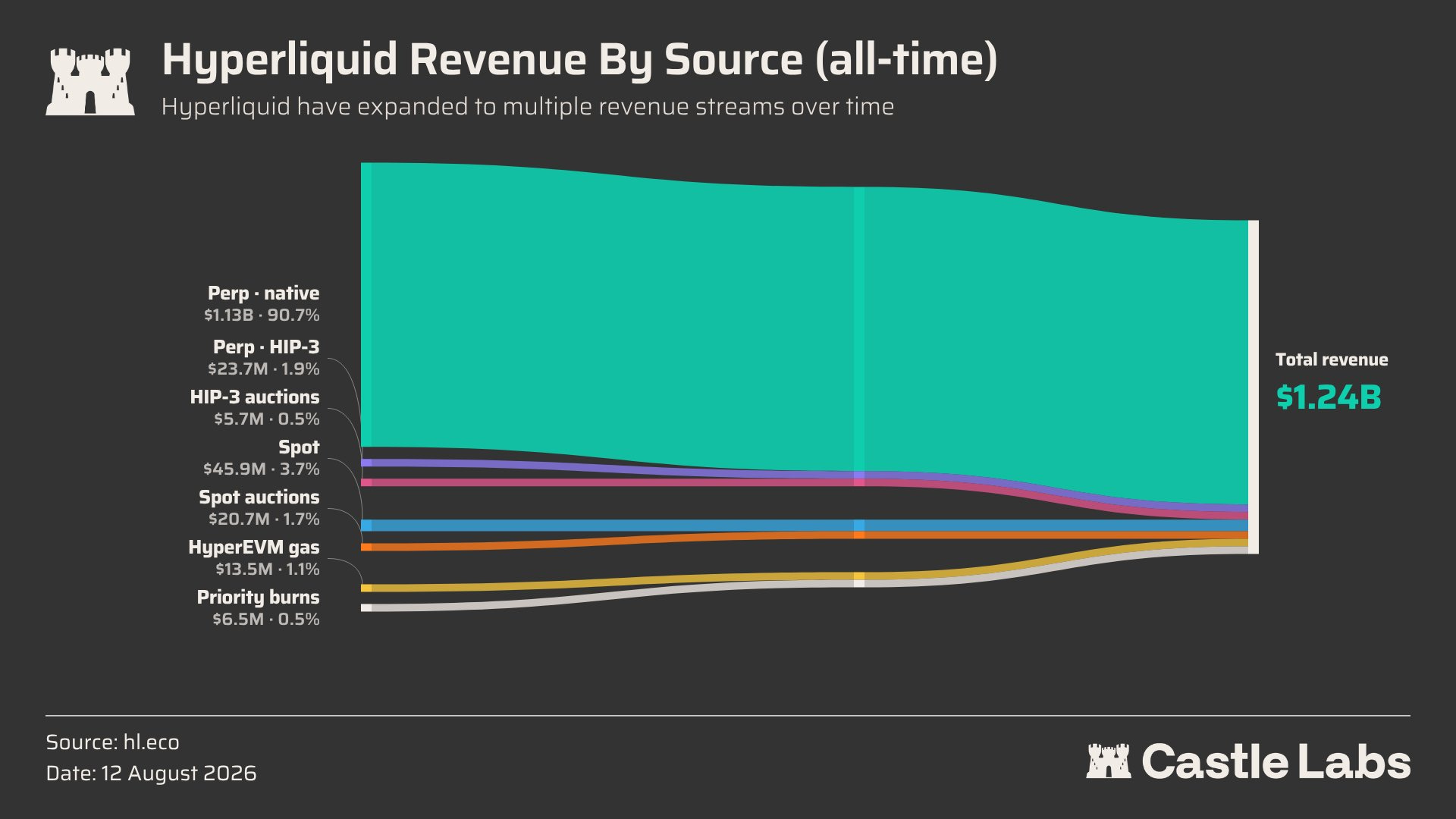
This continues to make Hyperliquid less relevant in a single category of fees (e.g., trading fees).
Shaunda from Blockworks shared a chat, which includes potential yield from USDC.
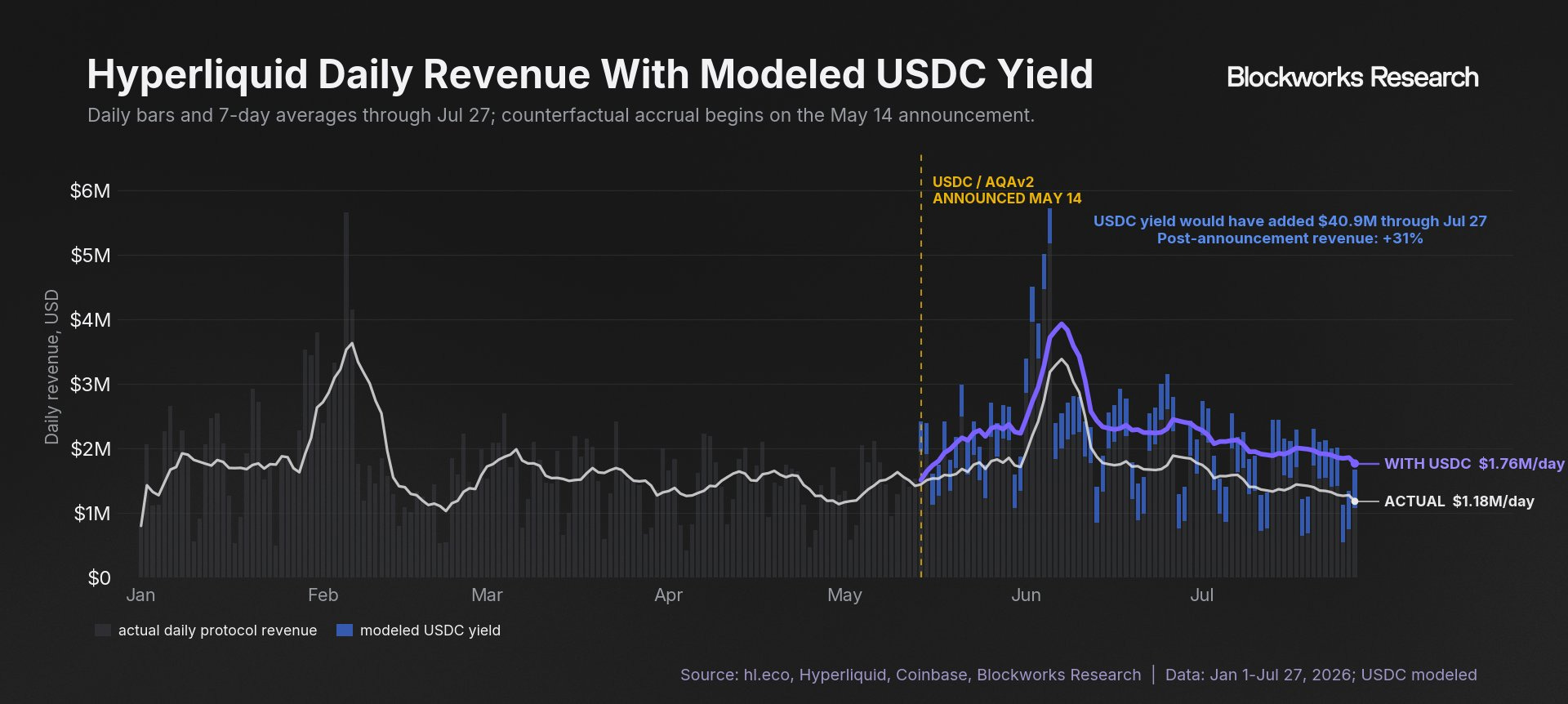
Continuing to diversify revenue helps Hyperliquid become more resilient against each of these.
Curious where Hyperliquid revenue comes from?
We just published this flowchart:
Mantle RWAs: Stockholders 2xed in Last Month
Now on to RWAs.
Mantle has been one of the earliest adopters focused on this niche.
As part of their plan, we have discussed extensively how they have focused on developing a comprehensive infrastructural layer for onramping, offramping, and a wide range of integrations across the ecosystem.
Once the groundwork is done, it’s now time to bring more activity and users.
As part of this strategy, Mantle is focusing on listing mid-cap consumer stocks which are hard to find onchain elsewhere. They just launched Jersey Mike ($JMKEx), which recently IPO’d and is valued at $7.3b, and is now also live, tokenised by xStocks.
As a newly listed mid-cap consumer stock, it is a useful test of whether demand for such assets can materialise onchain.
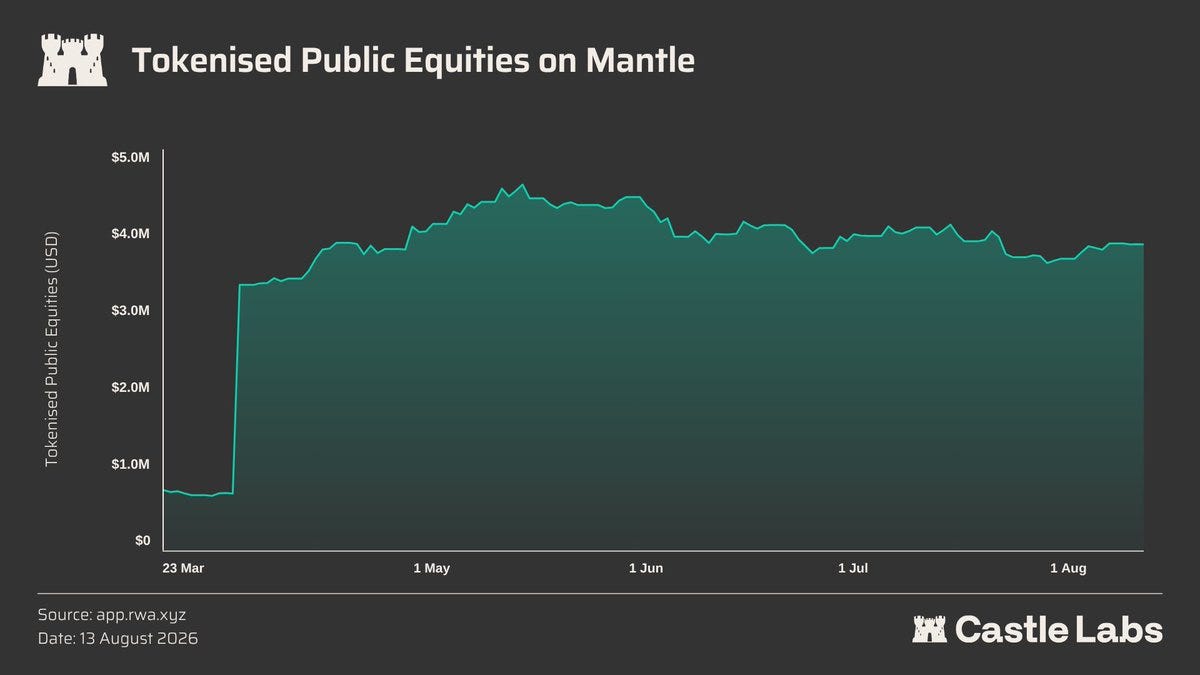
This seems to be working well so far; by broadening the range of assets listed, Mantle can capture a broader share of attention and interest.
The data is clear: during the last month, tokenised stockholders doubled from 675k to over 1.3 million
OpenRouter and Venice AI
Probably the only person who managed to turn anything OpenSea-related into a success is his early co-founder.
CT rarely comes together, but over the past few days everyone has been complimenting his last venture. OpenRouter, which Stripe just purchased in a $7 billion deal.
Another AI project that’s been widely discussed this week is Venice.
For once, they conducted a tokenomics change:
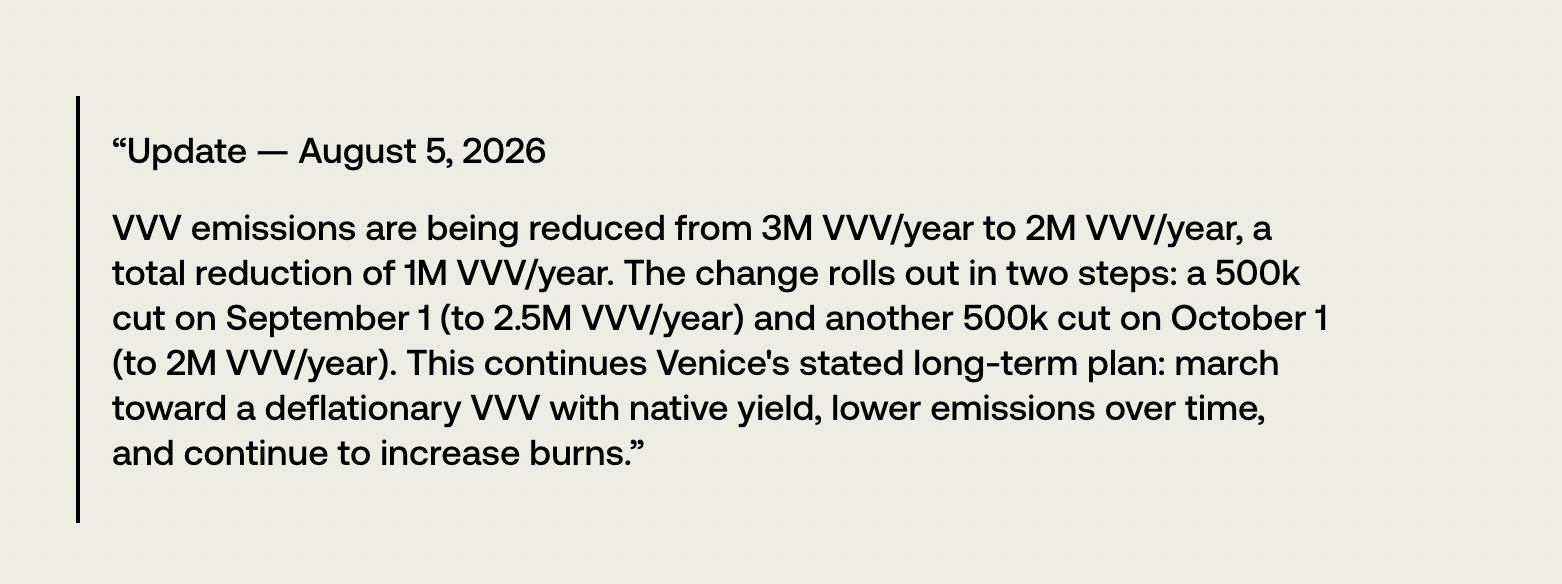
Reducing VVV emissions from 3 to 2 million
DIEM supply (used for API daily credits) rises from 38k to 40k in 4 stages
Programmatic burns introduced: 5% of every $100 in credits purchased to burn VVV
Personally, I think Venice is an interesting person, but I’m not sure about the relationship between VVV and DIEM, especially with the latter’s rising supply. However, the introduced programmatic burns and more hints of value sinks might account for this.
Venice has an interesting model, and Erik has declared they have reached over $100 million in ARR.
Marc Zeller raised some questions on the relationship between equity and tokens, which Erik addressed in a comment (pretty interesting discussion which can be generalised across more projects):

Looks like he got convinced.


What happened on Solana?
For a brief time, Solana suffered a single provider issue (Teraswitch) that knocked about 28% of the staked SOL in the ecosystem offline.
According to Marinade, this stemmed from a misconfigured route.
As a consequence, Solana came about 86% of the way to a freeze.
This raises questions about concentration, since single providers might hold a high % of SOL staked in the network.
Affected validators were down for about 40 minutes.
However, according to Solana VP of Tech Jacob Creech, the network continued producing blocks and most validators in the delegation program were unaffected; in his own words, a proof of infrastructure diversity and resilience in the network.
Until a couple of years ago, Solana halts were considered somewhat routine, and the network was criticised for this. The fact that it managed to sustain this issue without shutting down is, without a doubt, a step forward,d which validators and the network should be happy about.
On our Radar
Vitalik on how Ethereum can learn and take from Bitcoin UTXO state to ultimately hyperscale without sacrificing decentralisation:

Hayden from Uniswap on correlated pairs using RWAs:

A trend that continues developing is increasing competition in spot equities on HL, also highlighted by EQX Labs buying 3 tickers recently.

No more sleep: Nasdaq moving to 24/7 trading


$MON unlocks: Monad proposed a plan to buy investors’ locked tokens at a discount, and they rejected it.

This might mean two things:
Investors are bullish
The discount was too high, or they are already hedged.
That’s it for this week!
It’s a wrap.
Every week for the last 3 years, we have shared our research for free, directly in your email. Not a subscriber yet? Let’s fix it:

PLUS, don’t forget to join our Telegram channel for the latest updates from Castle and all our research: Link here

In our newsletter, we may discuss projects or tokens in which we hold positions. While we aim to provide informative content, our views are not financial advice. Please conduct your research and consult professionals before making investment decisions. Crypto markets are volatile, and past performance doesn’t guarantee future results. Invest responsibly, and be aware of the risks. Your capital is at risk, and we do not accept liability for any losses.
gg