

Welcome to another week of Castle Chronicle.
Last week, and especially the weekend, was pretty interesting. We saw Kalshi wash-trading allegations all over the feed, growing interest in options trading, and SEC Exemption News. Also read:
Zcash NFTs and the ecosystem heating up as $ZEC touches new highs.
Clarity Cloture failed, but we got something better from both the SEC and the CFTC.
Arc launched, but not without controversy.
Kinetiq redirected 5.3 million KNTQ to Hyperliquid AF, and Elysium went live.
Neutrl holders need to take a harsh 49% haircut in redemption.
and more.

This week’s newsletter is brought to you by NoRekt - borrow USDC against ETH, protect your loan from liquidation, and get up to $225 in ARB rewards.
Kalshi and the Weekend Run
This is probably not how Kalshi envisioned their week going.
After a post by ICO beast, claiming 96% of crypto market share, things got ugly.
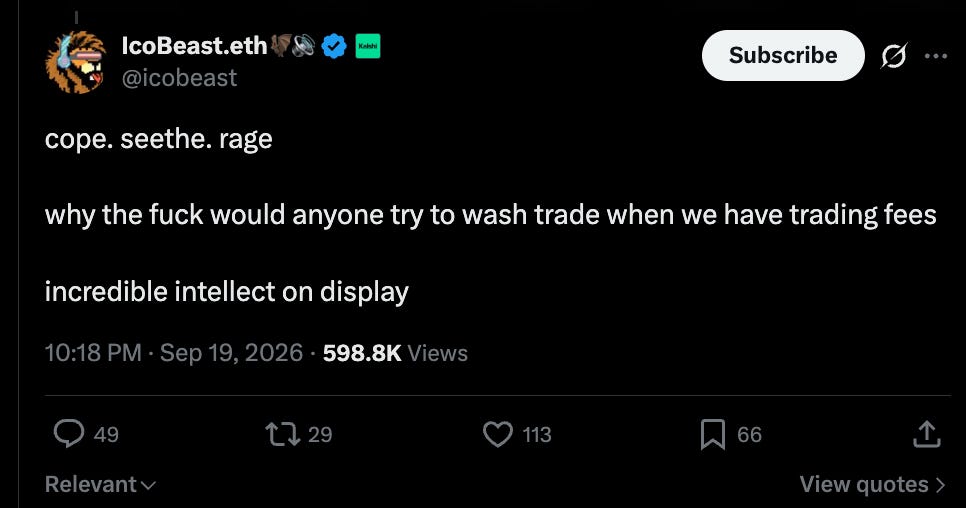
This prompted one user, beniduboss, a known builder, to reply with claims of wash trading, to which ICObeast replied as follows:
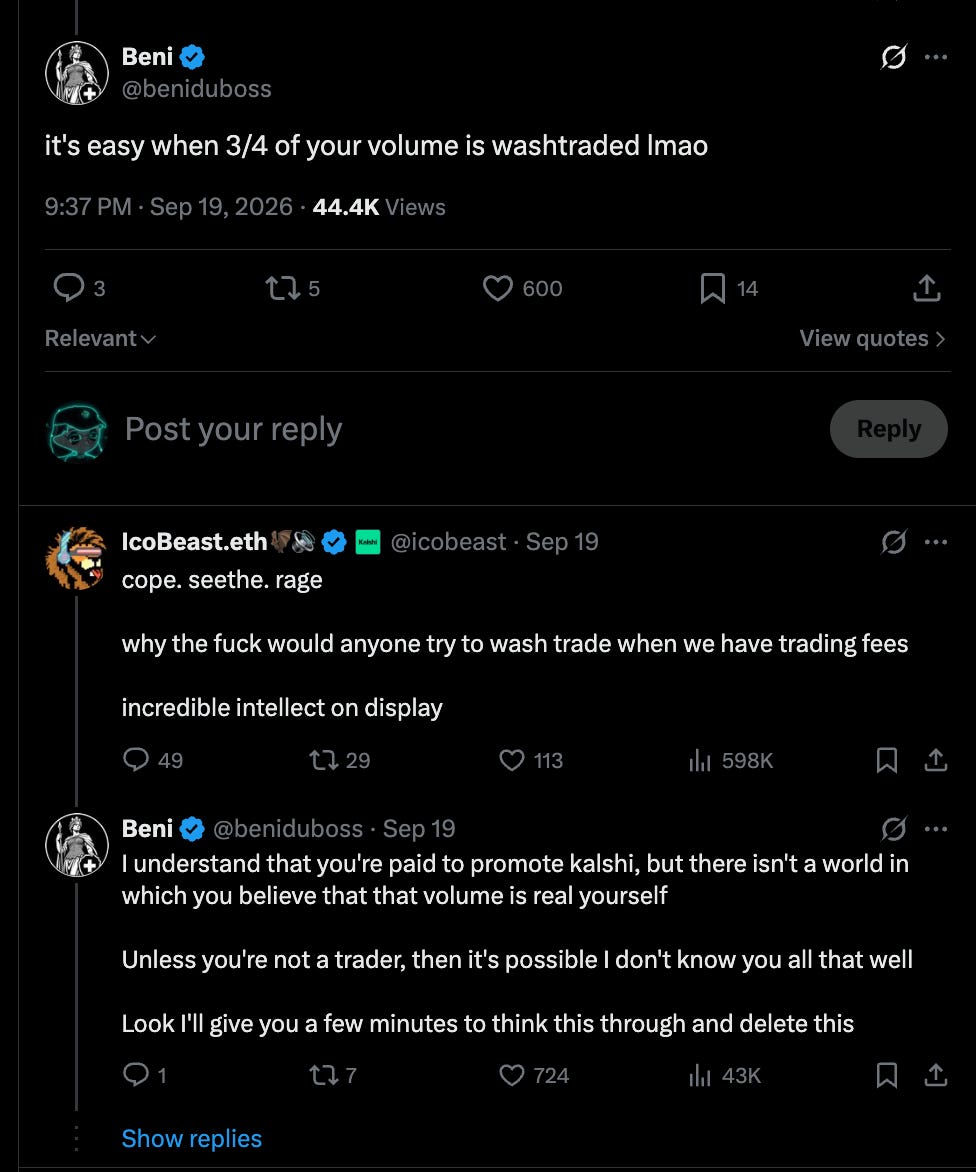
If there is one thing everyone knows, it’s don’t poke the autist.
For Kalshi, this will be a very expensive option.
In fact, Beni came back with receipts and a post showing proof for its claim.
It starts by showing how Kalshi market makers benefit from rebates, which makes it possible to trade effectively on both sides of the orderbook without losing money.
This directly clashes with ICOBeast’s claim that they have fees and therefore it would not be beneficial for them to wash trade.
However, the most convincing evidence from Beni came from another post, showing a lot of spooky aspects in the data.
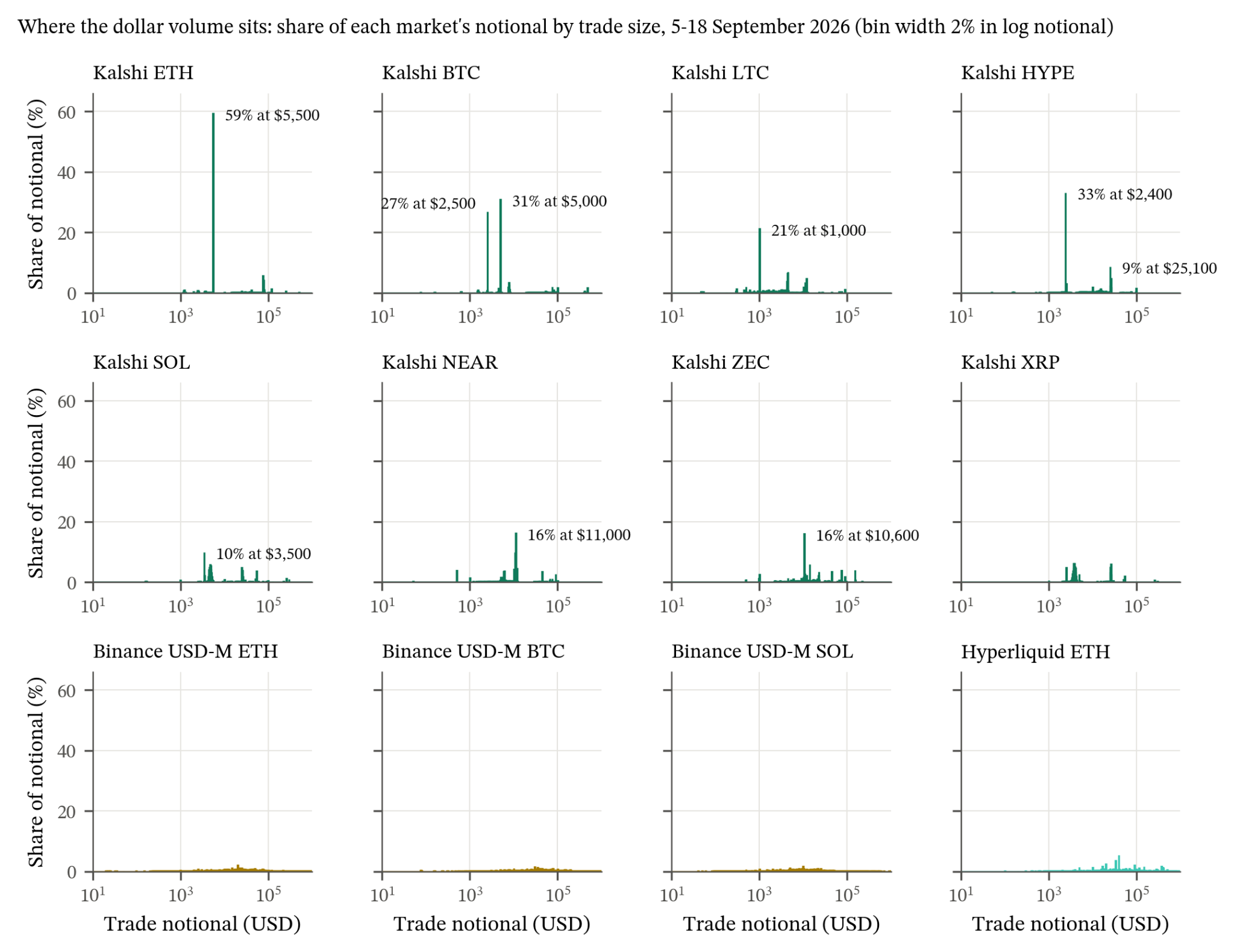
Among those, a lot of trades on ETH have the same size of $5500, comprising over 48-58% of all ETH perp volume on over four days.
If you can only read one piece to understand this issue, it should be Octopus Takopi’s research.
It compares Kalshi with other venues such as Bybit, Binance, and Hyperliquid, and uses academic literature on wash trading to run a quantitative analysis of Kalshi’s volumes.
The findings are extremely clear and hard to counter across the different frameworks used.
While we invite you to dive deeper into the research, a single look at this table immediately shows the difference between the Kalshi markets and other control venues.
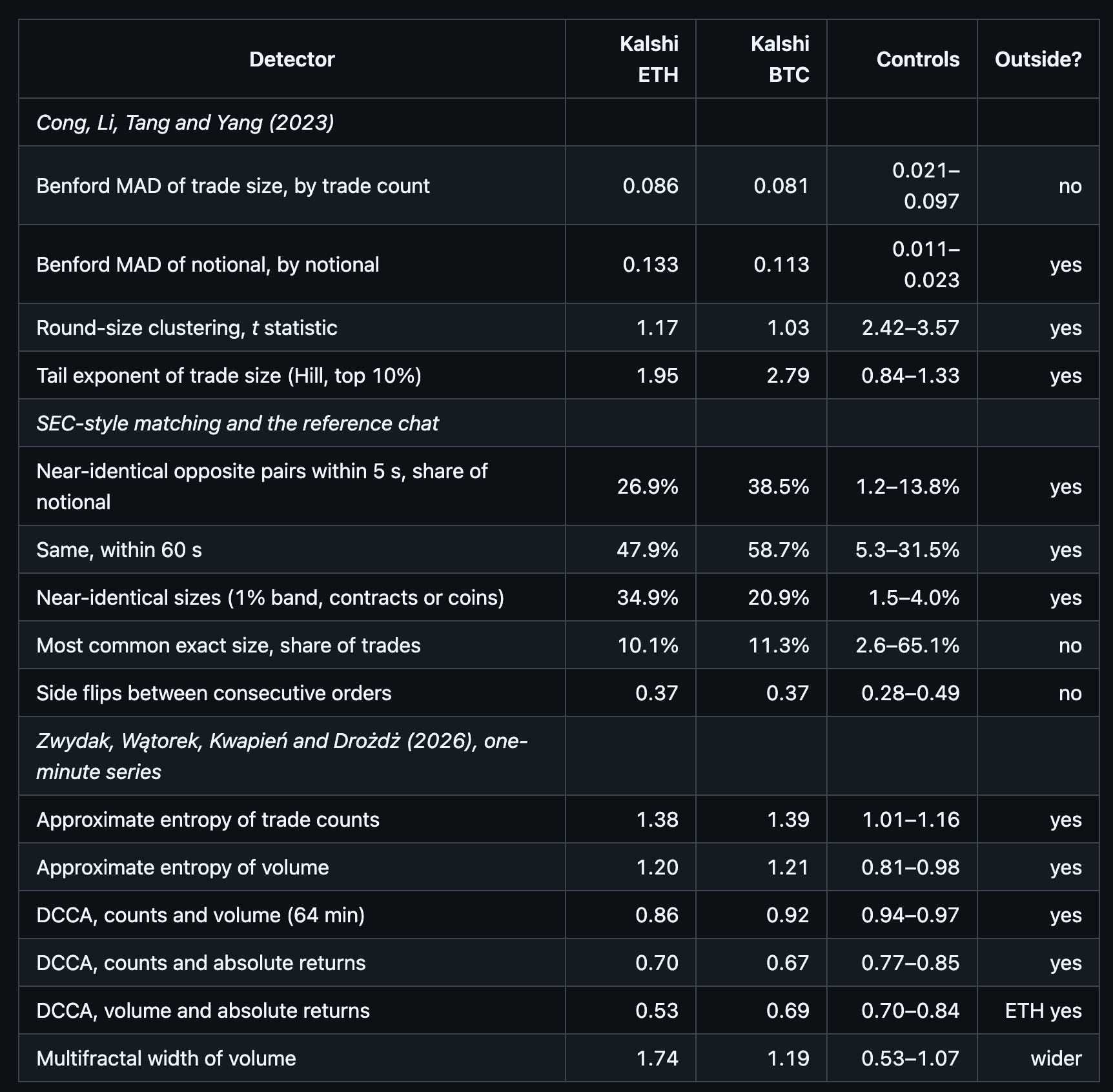
This is highlighted by trade size, the absence of round-size clusters, and the presence of near-identical opposite pairs in short timeframes with near-identical sizes.
The analysis of Benford’s law emerges clearly from the pictures below, showing how Kalshi is far from a common distribution:
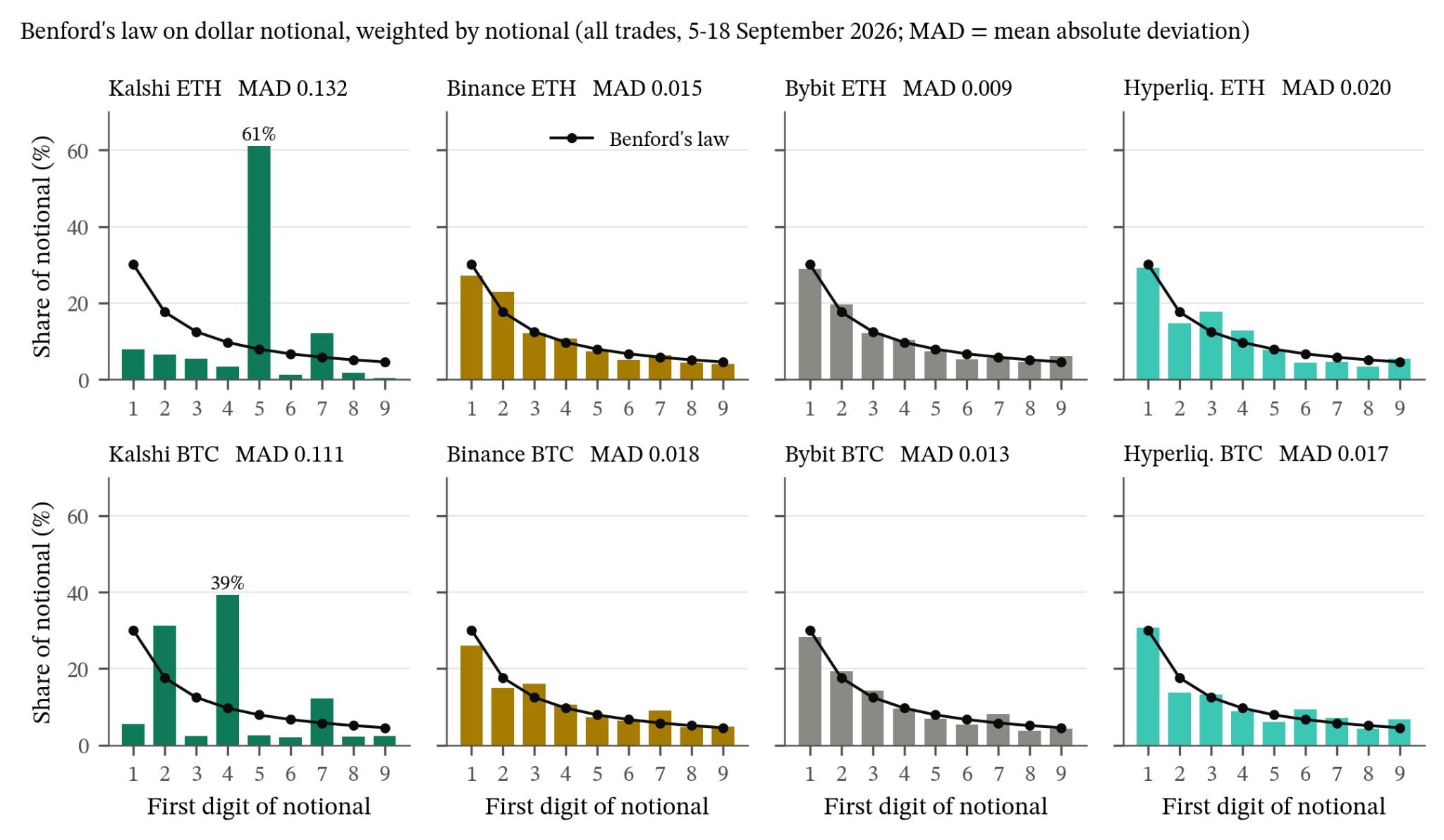
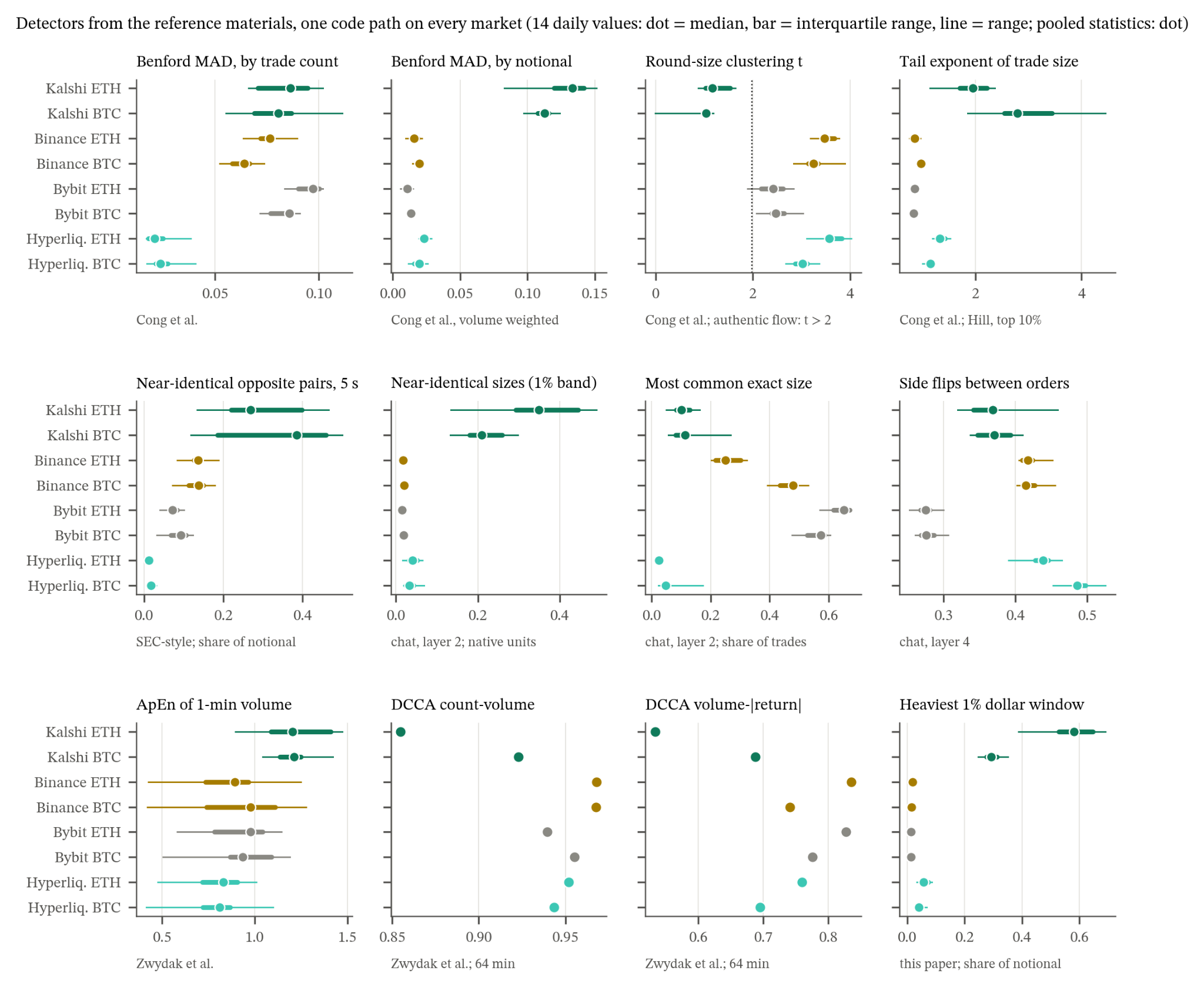
The difference remains staggering and significant across all aspects of the research.
In particular, recurrent trade sizes raise suspicion, as they comprise a large % of Kalshi markets: $5500 for ETH, $5000 for BTC, $1000 for LTC, and $2400 for HYPE represent over 20-30% of the total notional.
They also note that a large % of Kalshi orders end up in the same cluster.
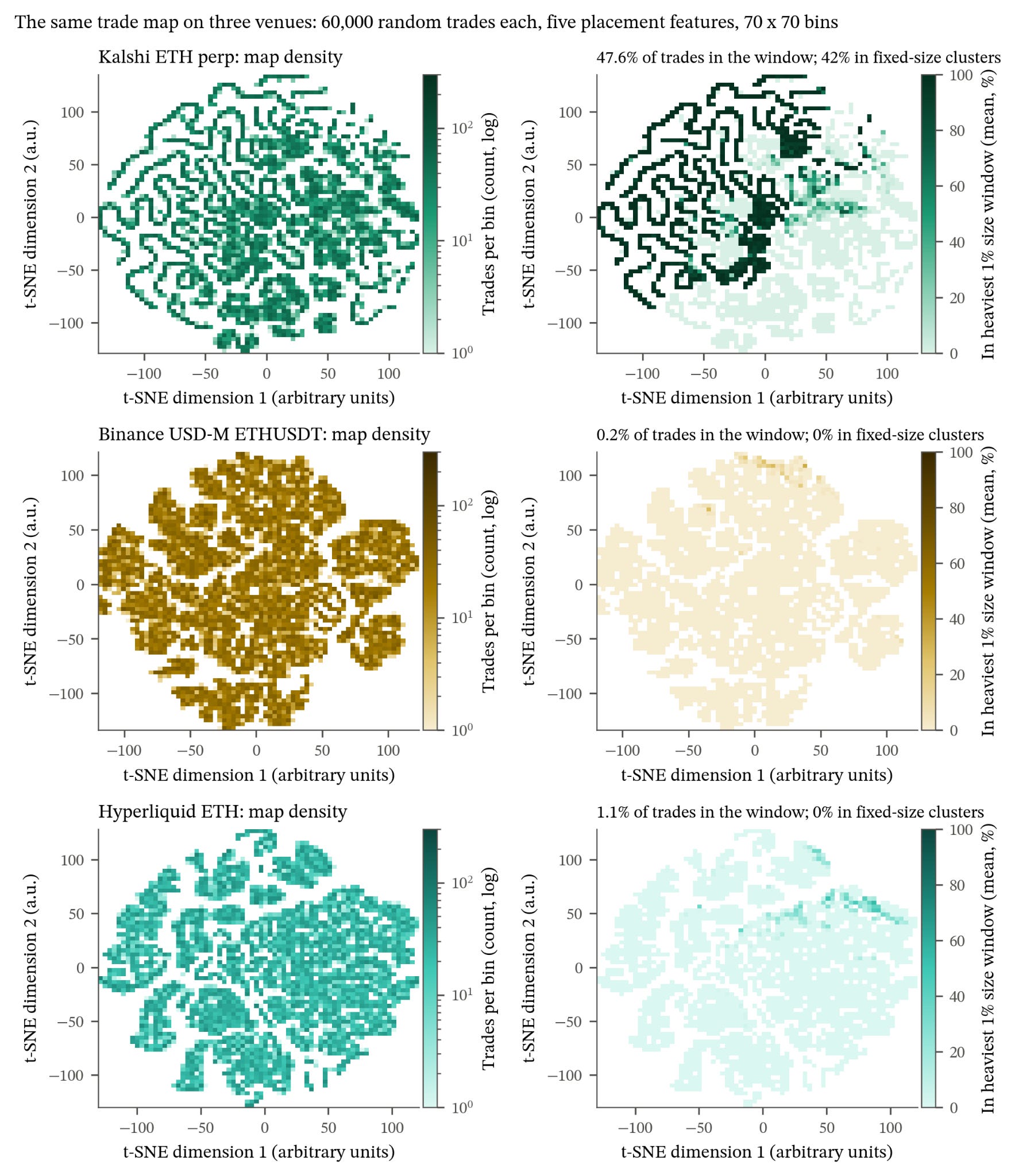
We believe that the data presented is solid and does not need more explanation than this.
Curious to see how Kalshi will respond to this, and if this ends up getting them in trouble. One would wonder, why would you do this?
And even more, knowing volume is not 1005 organic, why would you go on the timeline to celebrate your dominance against Polymarket?
As always, it all comes down to ego, pride and greed.
For those interested, we recommend reading the full report as great academic research on volumes and wash trading.
You can find the full article here.
Options are cooking
Options are picking up again.
Aided by a couple of viral posts with big payoffs and the growth of $DRV, is this the time for options to go mainstream?
Derive just recorded its biggest-ever day in volume.
Turns out options just needed a little push.


One such example, shared by KoolAid, went viral recently:
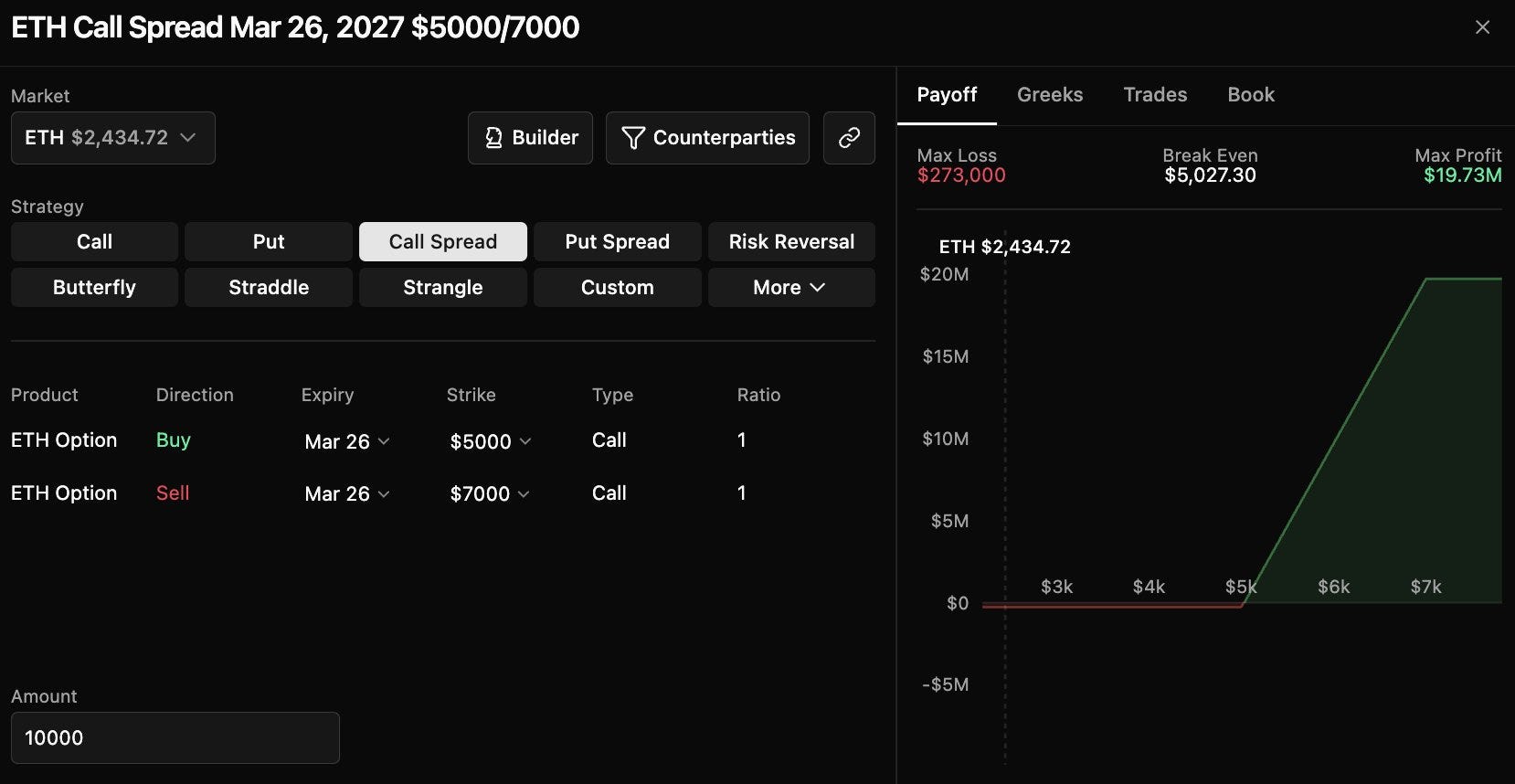
This user opened a call spread trade on ETH.
He bought ETH calls at a $5k strike for March 26, 2027, and sold ETH calls at $7k.
For those unfamiliar with options, this means he’s betting ETH will be between $5k and $7k by March 2027. And you thought you were bullish on ETH?
Beyond the dreamy target, this post went viral because of a massive payout: the user invested $300k to win up to $20 million if ETH hits $7k. He will only make money if the price is between $5k and $7k; otherwise, the option will expire worthless.
DCF god has also contributed with his post, copying KoolAid’s strategy and showing the power of options in practice.
After opening his risky ETH trade, he posted that he could already sell in-the-money options and end up in profit, showing the power of options as a leveraged bet on spot assets: with ETH up 15%, his bet is already up 70% or more.
Interested in options?
Stay tuned as we are going to release an options article in the next couple of days on our profile.
Zcash NFTs
Zcash ecosystem is heating up. With the token heating up toward $2000 and more, several initiatives are launching.
Just last week, an NFT project, ZKsnarks, attracted over 16791 bids for its collection of 8000 NFTs.
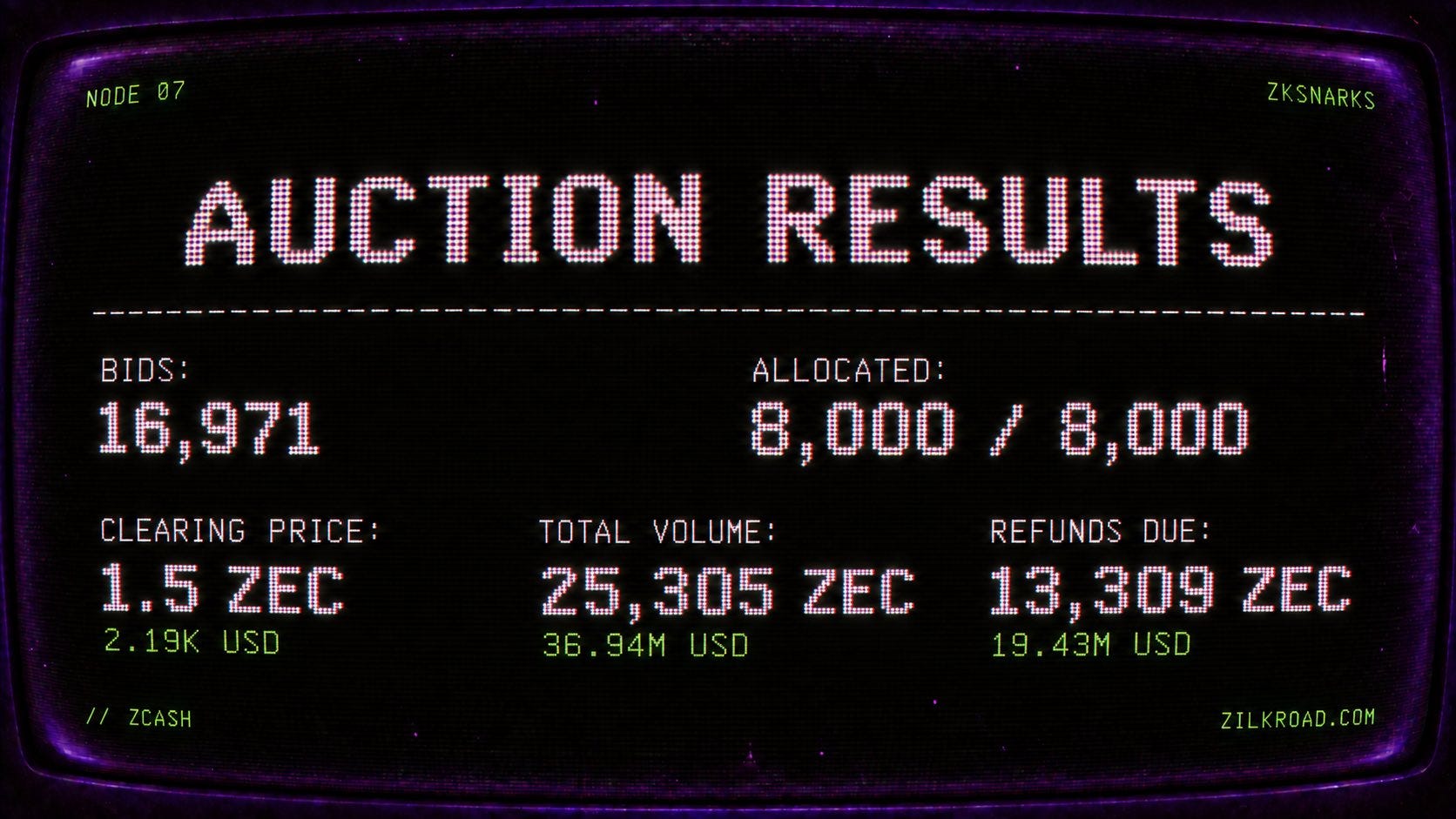
Users had to apply and bid. The clearing price for the collection ended up being over 1.5 ZEC, or $2.19k, meaning the team made over $15 million from the sale.
The collection’s total volume was absurd, reaching almost 37 million, with the team refunding over $19.43 million.
The success of this collection sparked a new NFT mania on the network, with others following suit and trying to replicate ZNsnark’s approach. However, we recommend caution to users considering this. Others are plainly copying the mechanisms, with little to no novelty.
Even the ZKsnark project itself has no utility and is a simple PFP, raising questions about the high price and how much money the team made.
In fact, this launch has not been without criticism; among those voicing it, zachxbt has raised concerns.
However, for once, these seem more like general concerns than substantiated claims. Nonetheless, it’s suspected that most of these NFT project launches are actually coming from Ordinal teams.
We will monitor whether ZKsnarks takes any steps toward broader ZEC community involvement or adds any utility, as well as the other collections launching this and next week.
As always, unfortunately, these initiatives are primarily driven by greed.
However, the Zcash ecosystem is on a heater, and these may be the first signs of adoption and additional ecosystem creation that could spur new primitives.
CLARITY failure, SEC Innovation Exemption, and Rate Hikes
Last Tuesday, the Clarity Cloture vote failed in the U.S. Senate. The act everyone was super bullish on didn’t pass, but the SEC and CFTC have made major progress toward bringing more crypto regulation to the U.S.
On Wednesday, the U.S. Federal Reserve raised its interest rate by 25 basis points (0.25%) to a target range of 3.75%-4.00%, the first rate hike since July 2023.
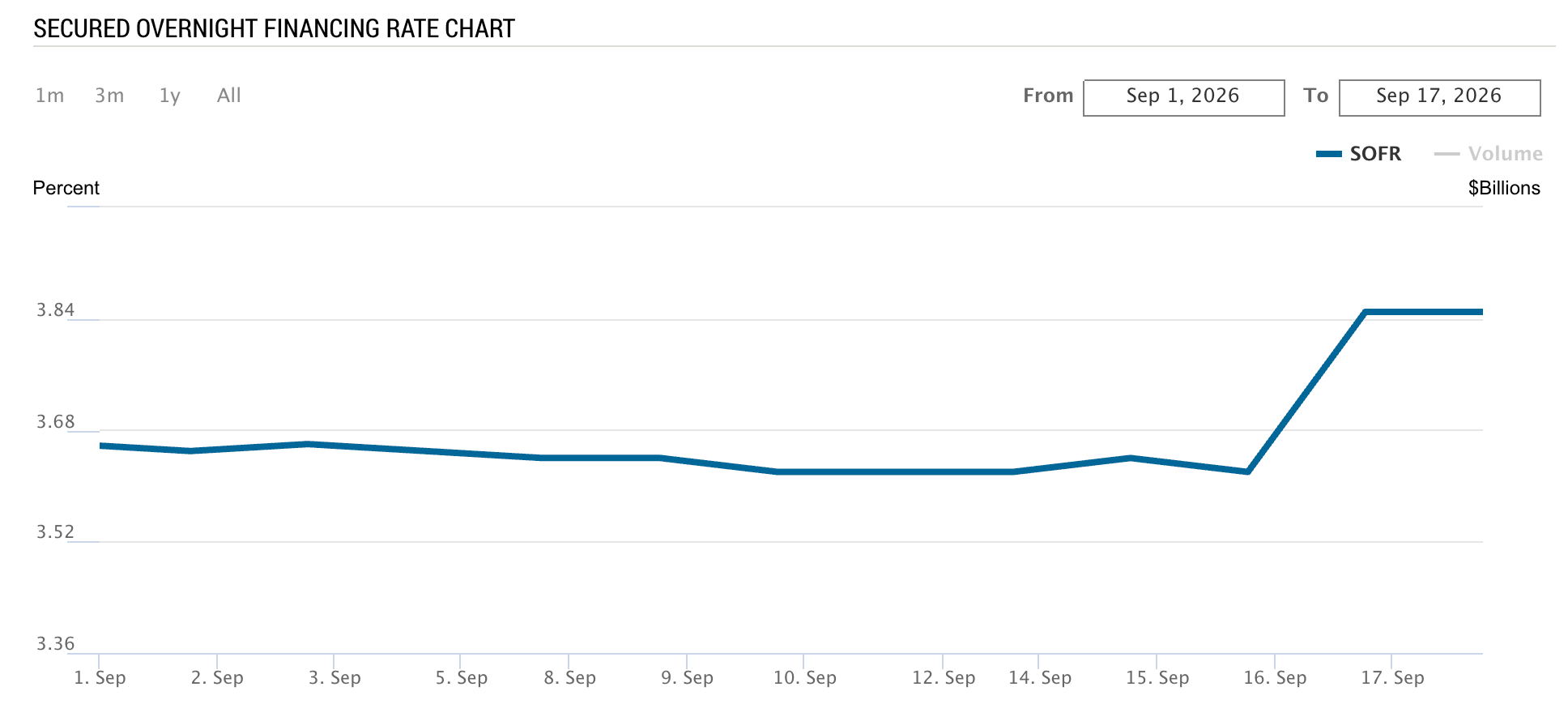
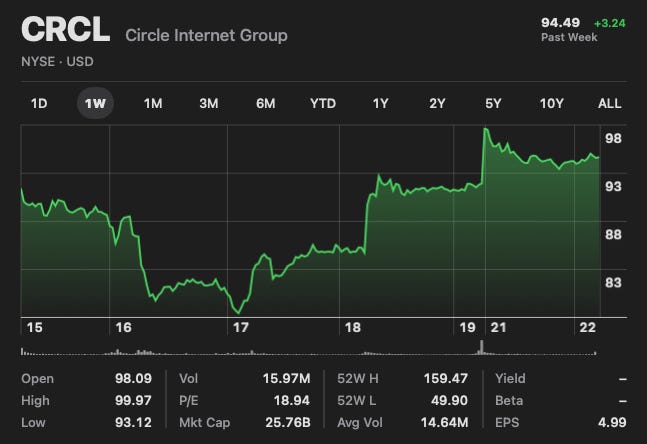
This makes borrowing more expensive and slows purchasing power, which in turn would reduce inflation. As SOFR nears 3.84%, this decision increases Circle’s reserve yield earnings, which is why its stock also jumped last week.
Last week, the SEC announced an innovation exemption letting U.S. users trade tokenised stocks onchain in a permissioned AMM environment. They outlined three key rules:
Tokenised stocks must carry the same rights as the underlying share, including voting rights and dividends.
Contracts must be public, auditable, and deployed on permissionless chains.
If a third party tokenises a stock, the company receives 30 days’ notice and can object.
This cleared a lot of the air around tokenised equities: which stocks can be traded and which cannot. What’s been skipped are stocks that provide synthetic exposure, meaning they don’t carry the same rights as stocks and merely track the asset’s price.
The problem is that most tokenised stocks today don’t meet the criteria. Ondo is moving towards a custodial tokenisation structure where the tokens represent rights tied to the securities held in regulated custody. Backpack token rallied on this news, but it also doesn’t meet the criteria because its tokens can be redeemed 1:1 but are essentially a claim on the SPV holding the underlying assets. 100y from FourPillars covered this in detail.
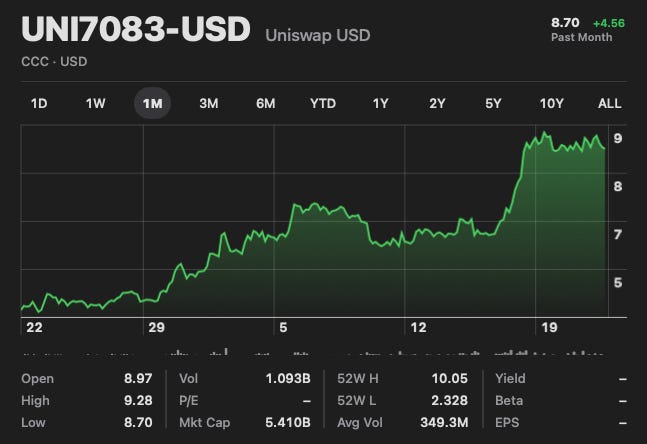
Another token that caught a bid is Uniswap because trading is only to be done in a permissioned environment; Uniswap v4 hooks can provide that.
More recently, the CFTC issued a no-action position for providers of passive software, meaning developers who build software to connect users to markets and hold no funds are in a regulatory clear zone.
Arc Launched, but not without Controversy
Last Wednesday, Arc launched, but not without controversy. The team itself tried to push a memecoin named “Duke” on Arc to gain initial traction, trying to copy Robinhood’s trajectory, but it didn’t materialise, as the token still didn’t do well.
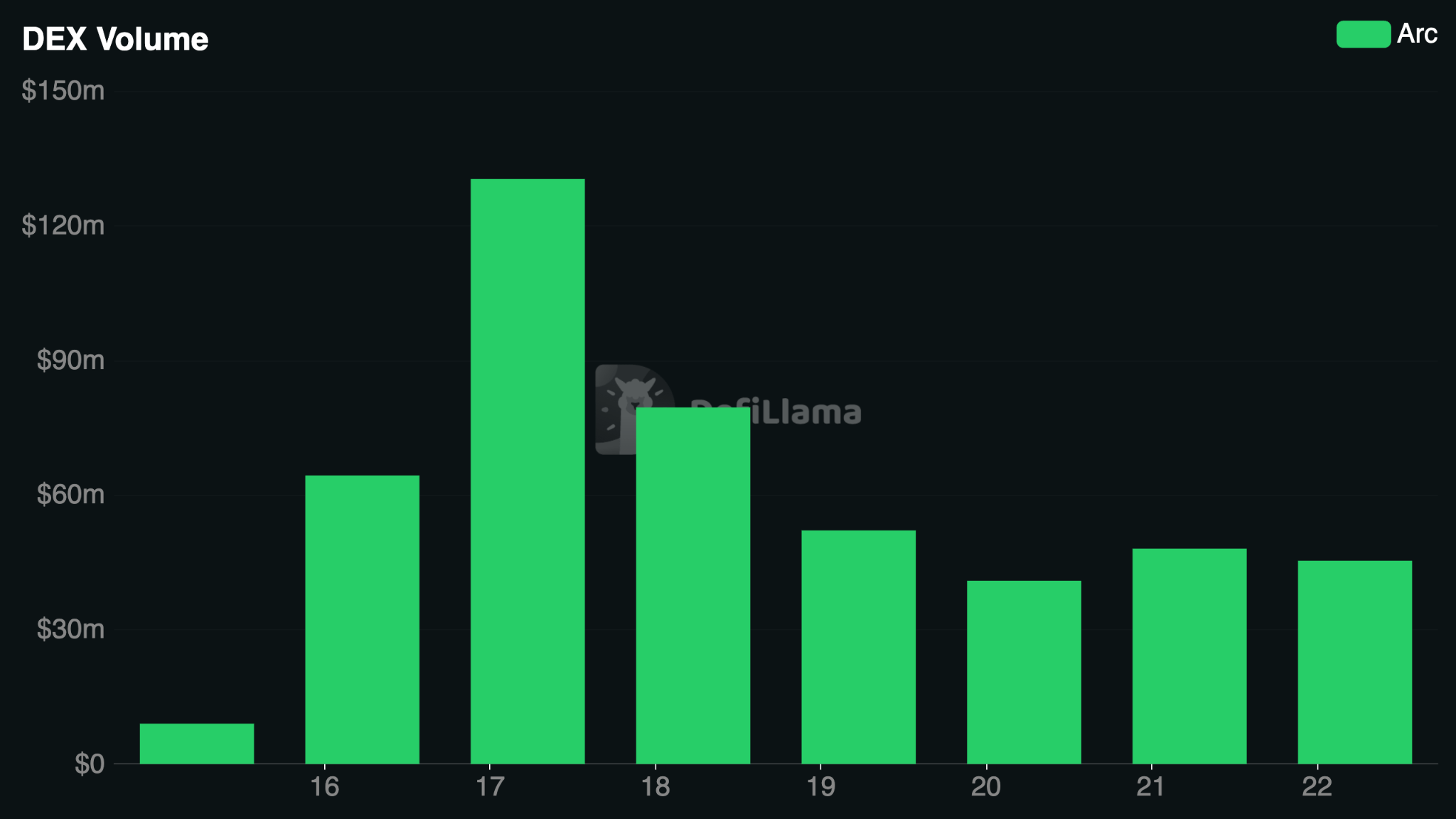
The chain’s daily DEX volume averages around $50 million and has declined over time.
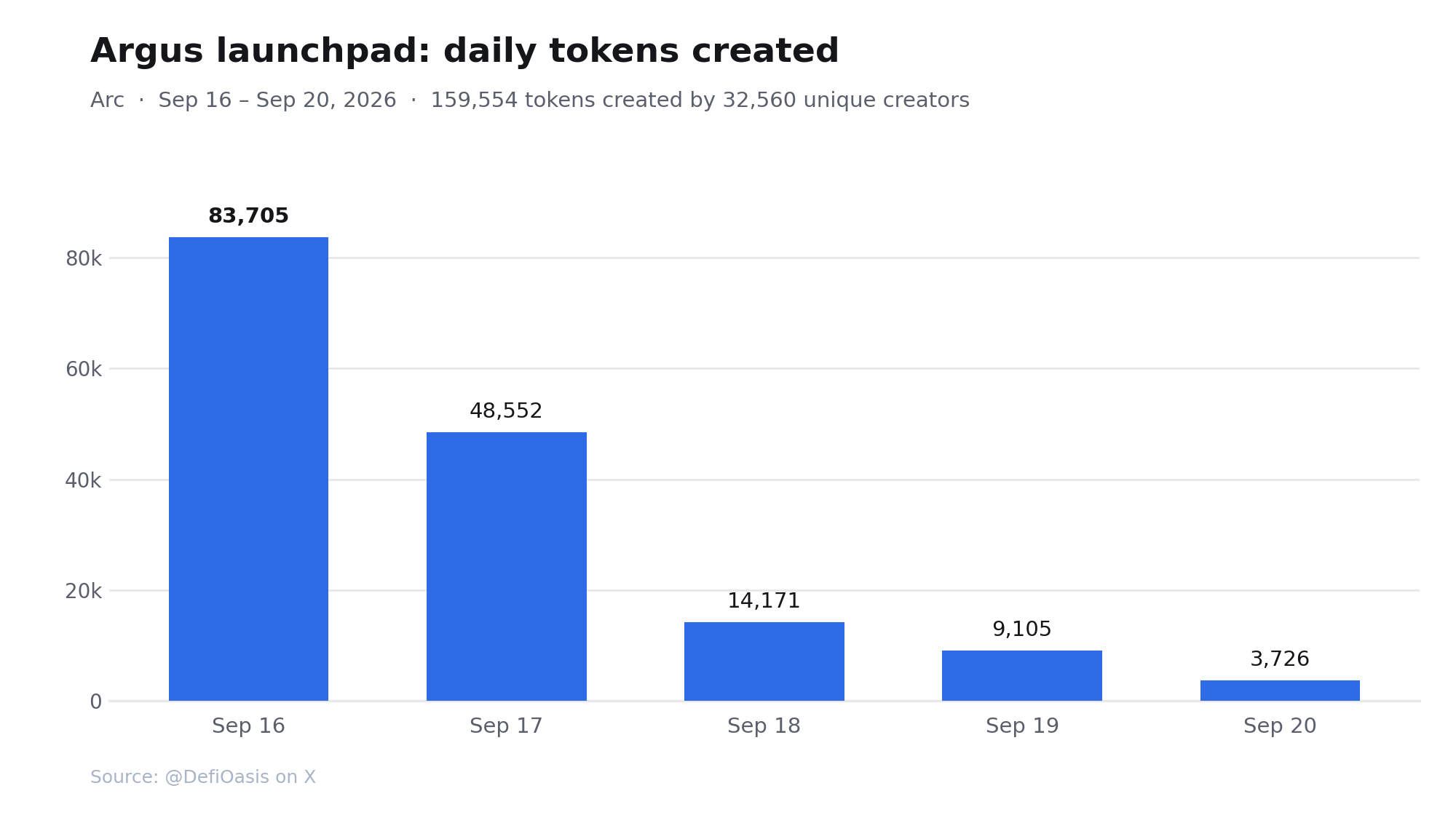
Argus, the chain’s largest launchpad, also shows a similar decline in the number of tokens launching on its platform.
On the DeFi side, things look good on the surface, with the chain’s TVL at ~$350m, but it is primarily concentrated in Morpho and Aave, where borrowing demand hasn’t picked up yet, leading to the low APY.
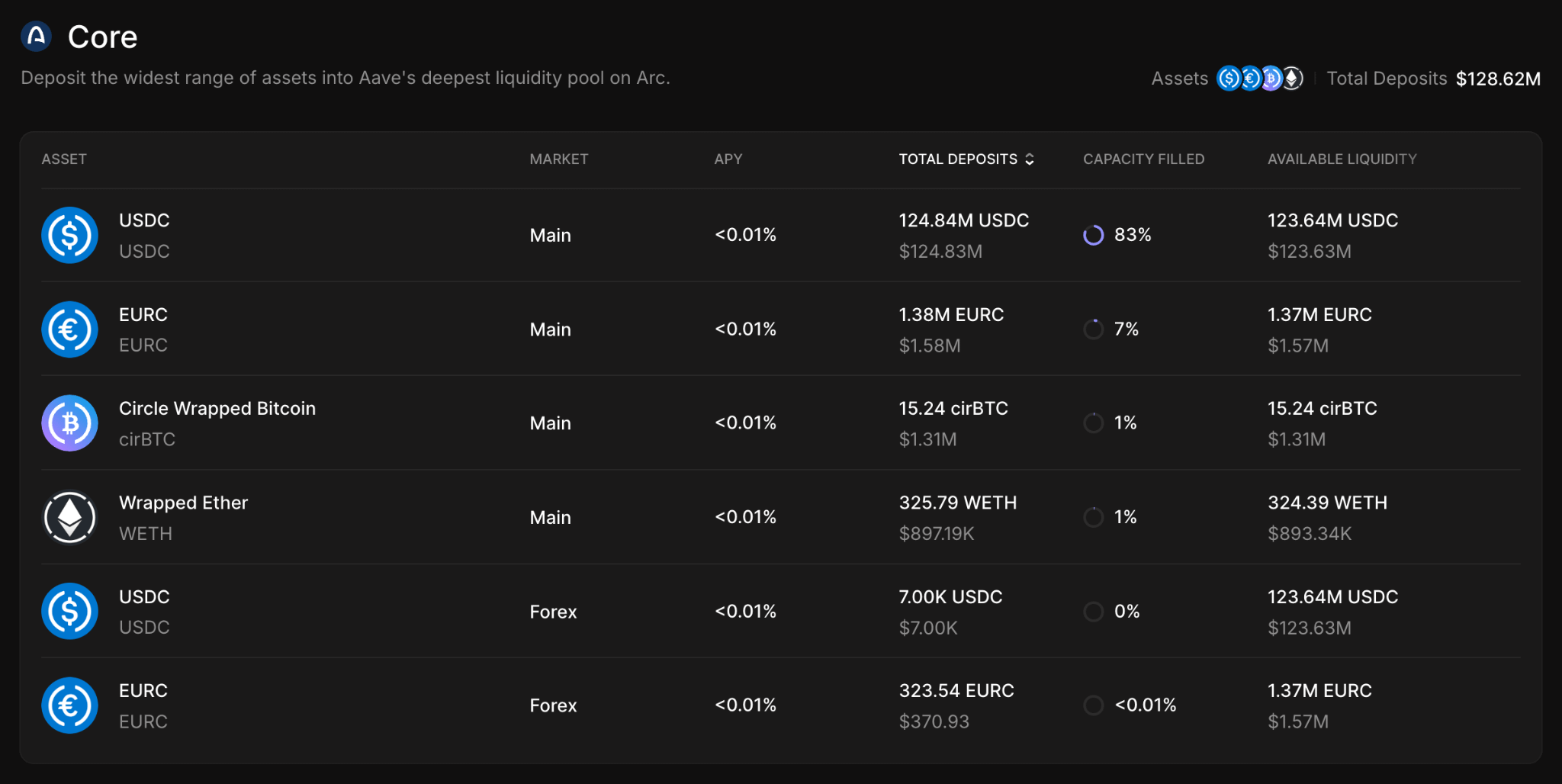
Will the activity pick up the pace?
On our Radar

OpenZeppelin, one of the oldest crypto security companies, was acquired by S&P Global in a recent deal.
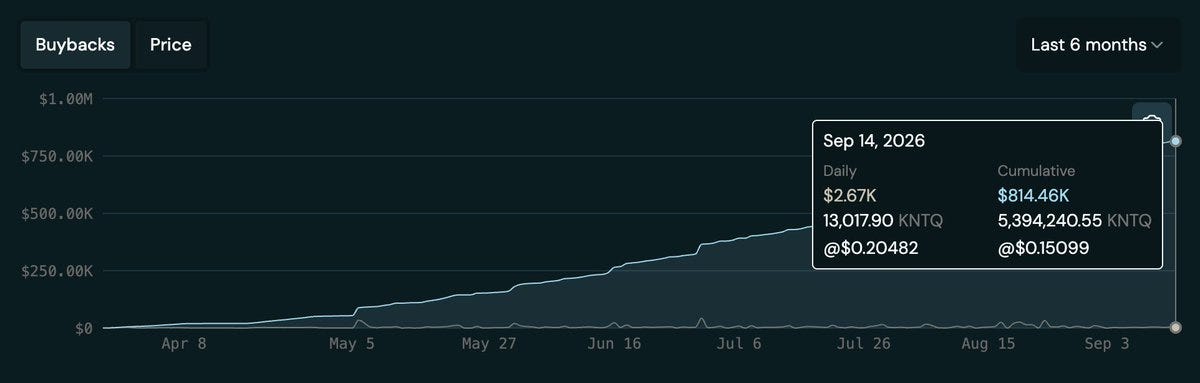
Kinetiq redirected 5.3 million KNTQ to the Hyperliquid Assistance Fund. These are all the tokens they bought back for the last 5 months. Also, Elysium's testnet went live today.
Neutrl finally communicated about the redemption after over a month of its asset’s depeg, but to the surprise of NUSD and sNUSD holders, they would need to take a 49% haircut on their holdings.
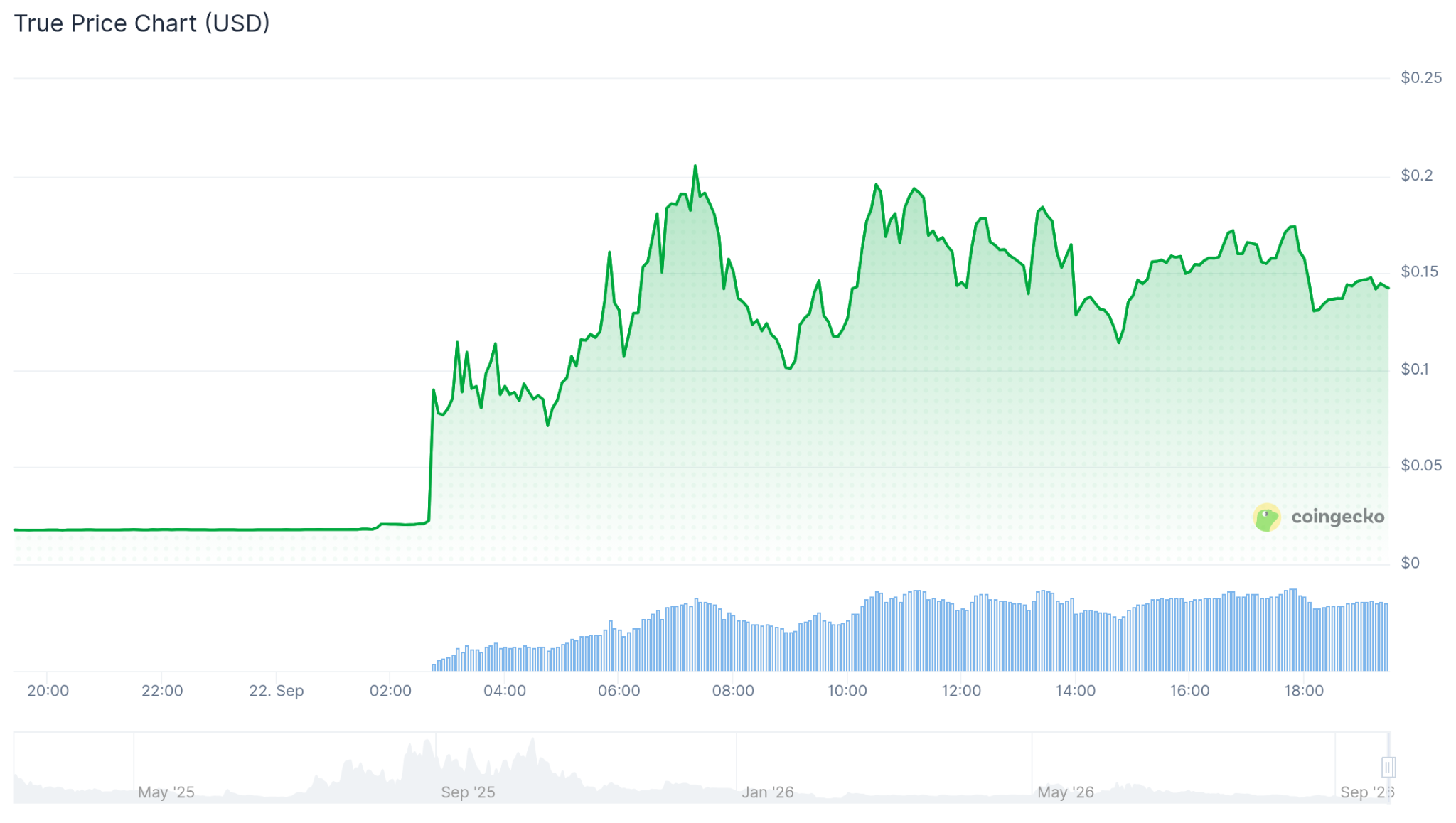
Trueo, a prediction market built on Uniswap v4 hooks, recently went live on Ethereum, and Vitalik posted about it, causing its token to rise over 700% in the last 24 hours.
We are going live tomorrow with xStocks, Veda, Kamino and Sentora discussing their latest release of xStocks vaults on Kraken. Tomorrow at 3 pm UTC.


That’s a wrap!
See you next week.
Every week for the last 3 years, we have shared our research for free, directly in your email. Not a subscriber yet? Let’s fix it:
PLUS, don’t forget to join our Telegram channel for the latest updates from Castle and all our research: Link here

In our newsletter, we may discuss projects or tokens in which we hold positions. While we aim to provide informative content, our views are not financial advice. Please conduct your research and consult professionals before making investment decisions. Crypto markets are volatile, and past performance doesn’t guarantee future results. Invest responsibly, and be aware of the risks. Your capital is at risk, and we do not accept liability for any losses.