

For the last cycle, crypto has been strengthening its infrastructure, but the core audience remained the same.
MegaETH looks to be the first serious bet against this pattern.
Today is TGE day, coming 80 days after mainnet went live.
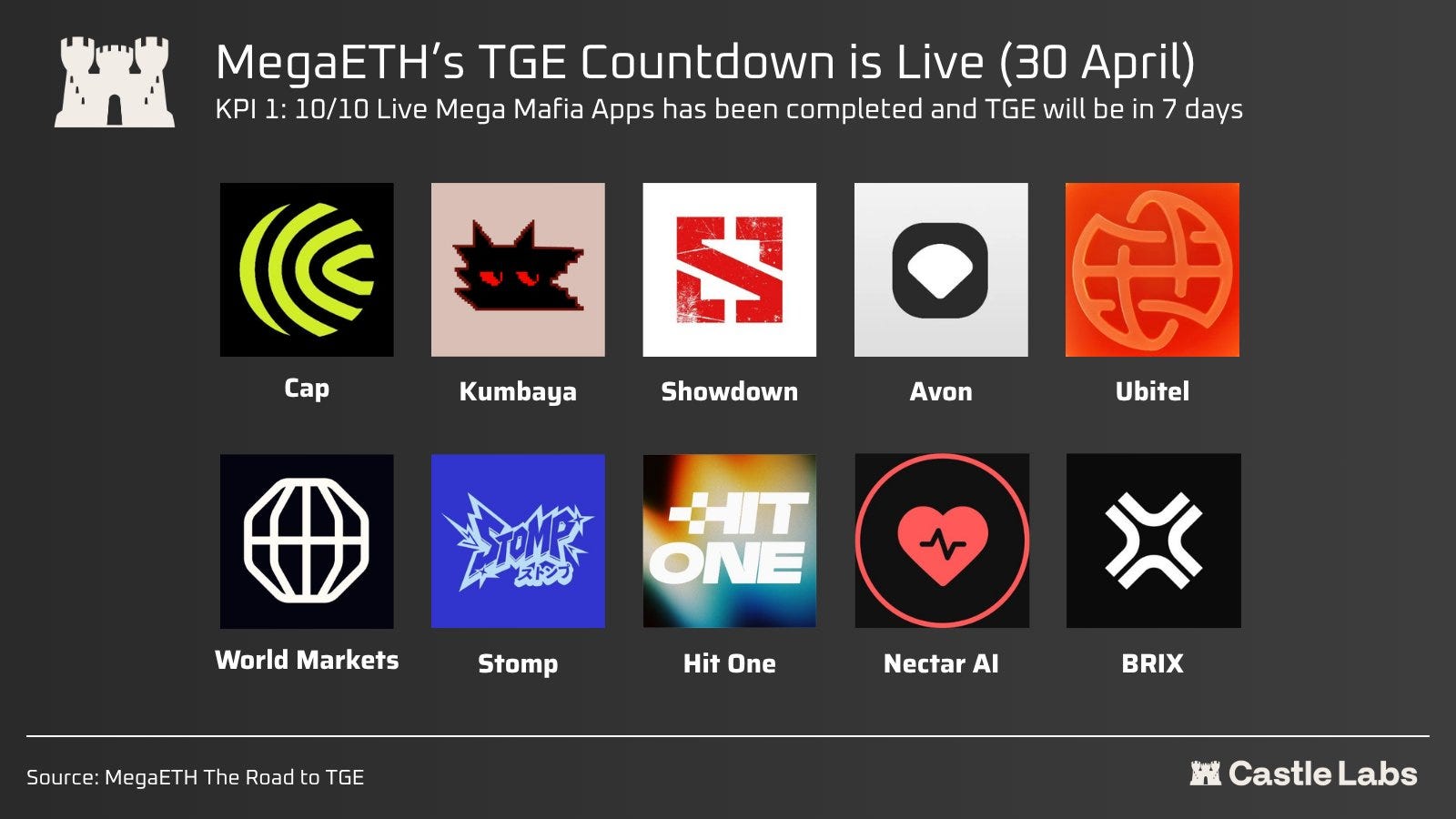
Refreshingly, the 10 apps that helped reach the KPIs don’t necessarily fall under crypto as a category: they go beyond it to serve a broader audience and can be categorised as consumer applications.
We highlight this as the consumer-layer opportunity: Crypto has always struggled with adoption and with gaining net new entrants for the applications we have built.
Most of the time, this requires education: Users need to be introduced to things slowly, and consumer layer applications perfectly fit for this use case as they generate economic activity, attract new entrants, and give a way for those who are interested to explore more of crypto without necessarily knowing what happens in the background or at a technical layer.
Only once they are consumer app users do they then start exploring crypto as a whole.
This is a change from the previous ecosystem launches, where the opposite argument was often made. Get users in a crypto ecosystem, and then they will explore apps.
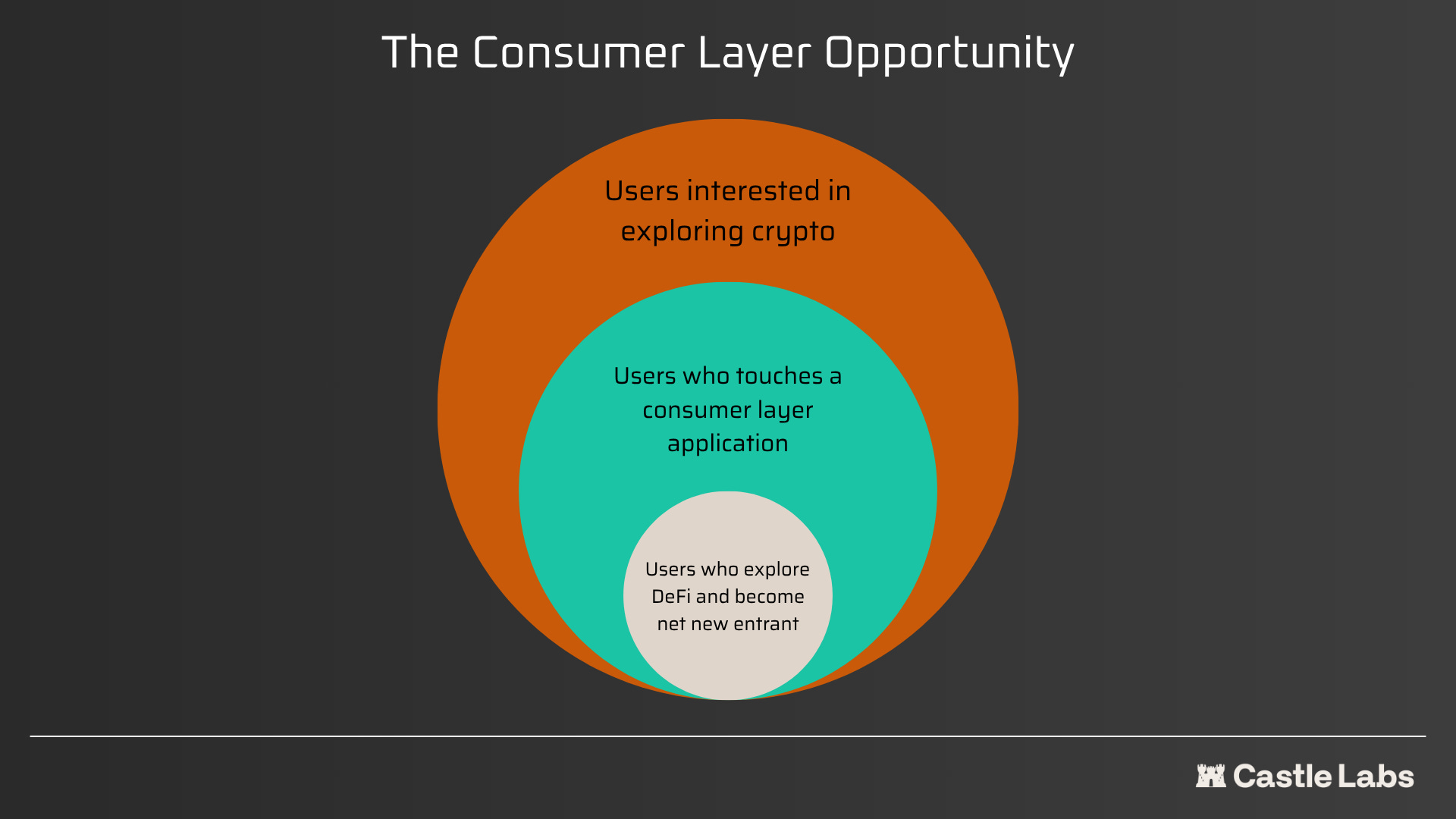
While the transition from Level 2 to Level 3 in the image above might not occur as some users simply don’t wanna use DeFi, this novel approach can help expand crypto’s potential user base.
To help the chain tap into a new layer of users, MegaETH launched MegaMafia, an accelerator program designed to incubate and bootstrap native ecosystem applications.
We also covered some of the MegaMafia apps before:

This is one part of the equation where MegaETH did things differently, the other being their KPI-driven TGE.
MegaETH went live with its public mainnet on February 9th, 2026, and introduced three KPI milestones, hitting any one of which would trigger TGE. The idea was to demonstrate real usage rather than launching with an empty chain, by gating the launch on usage as well as deployment alone:
The first required 10 live applications from the MegaMafia, as well as hitting >100k transactions across >25k unique wallets
Hit $500 million in USDm market capitalisation (the chain’s native stablecoin) and 25% of it deposited into smart contracts
Three apps to earn $50k in daily fees consistently for 30 days.
After 73 days of going live, they hit the first milestone, and TGE is happening today, 7 days after KPI completion.

The Way to Terminal
After TGE, Mega is running an incentive campaign to distribute about 2.5% of the MEGA supply.
To streamline interaction with the MegaETH ecosystem, they launched Terminal.
https://terminal.megaeth.com/
Season 1 started on 28th April and will run till 23rd June, 8 weeks. This season’s wave 1 ends with the TGE, and more apps will appear on the terminal to explore today: currently, only six are listed.
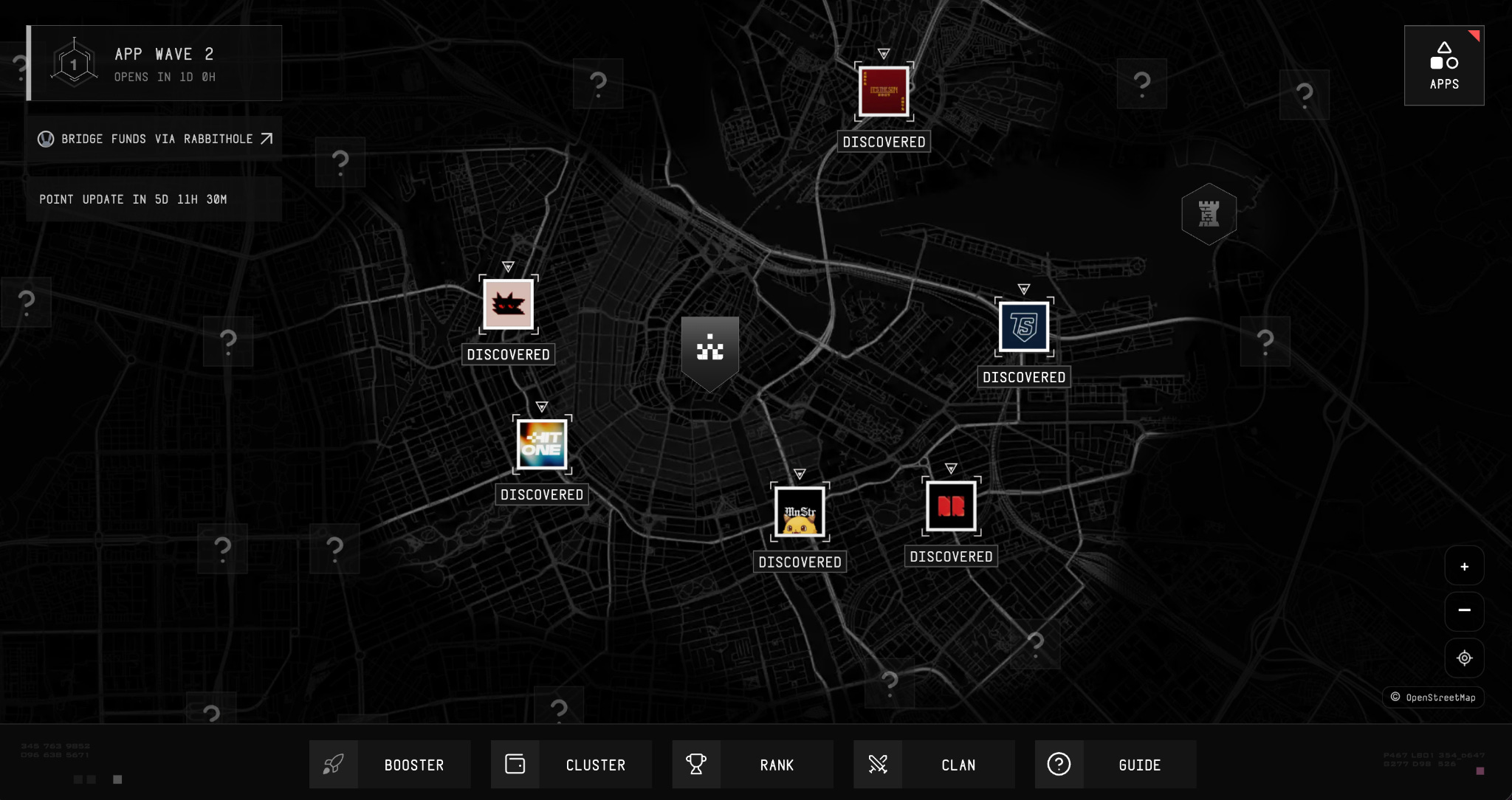
Beyond exploring apps, two things on the Terminal are worth checking out: Boosters and Clan.
Boosters apply if you hold a fluffle NFT, participated in the echo round, or were previously active on the chain.
Clans require users to pledge to one of the six listed NFT collections. As the clan reaches more pledges, holders of the clan NFTs get a boost in their points.
The apps that triggered the TGE, mapped onto consumer applications, tap into habits and things most people already interact with: collecting cards, trading sports cards, and shared culture.
You can also check the complete MegaETH ecosystem here:
https://rabbithole.megaeth.com/
A Numbers Game
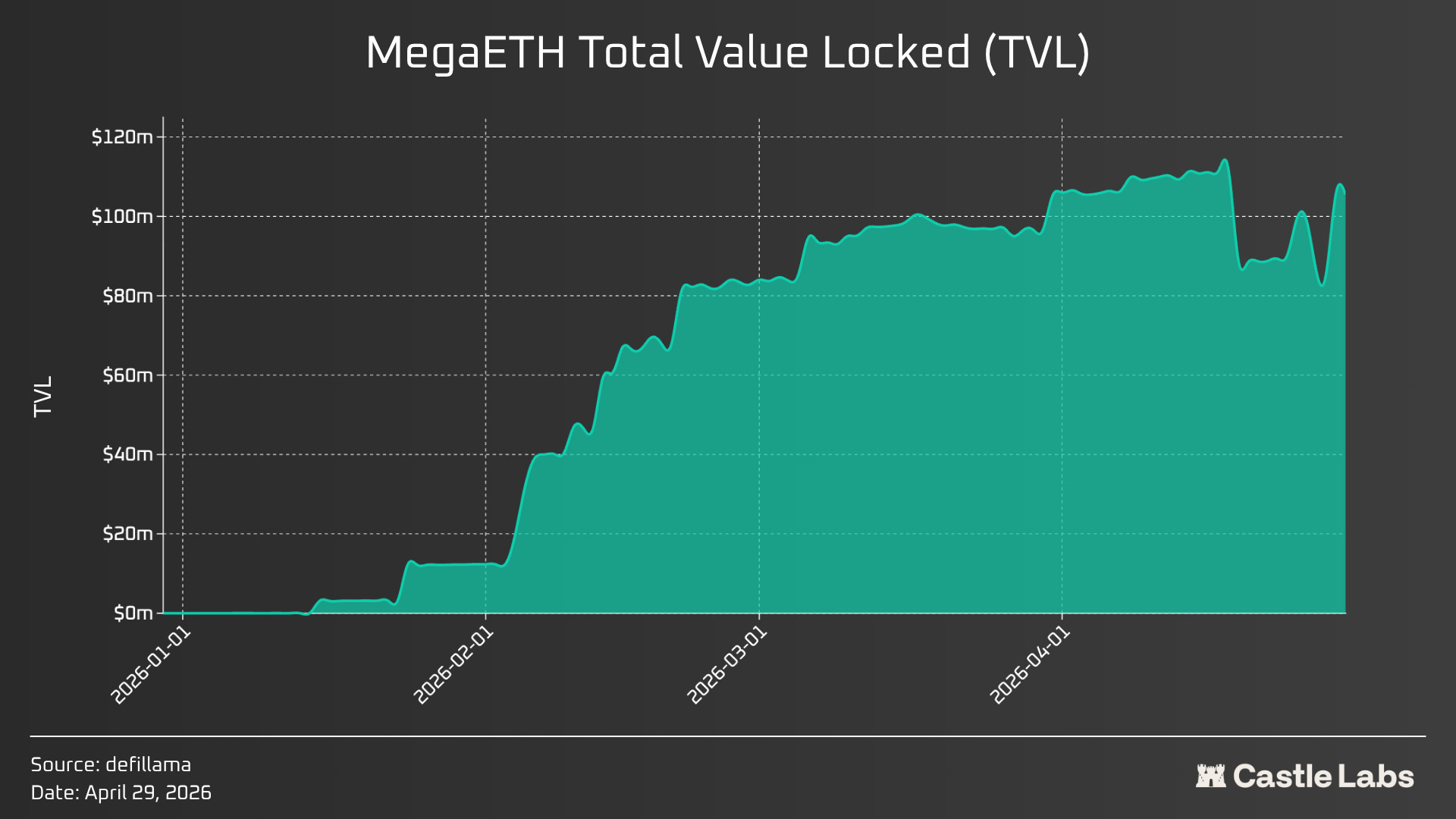
The MegaETH ecosystem has ~$105 million in total value locked (TVL). 91% of this TVL is represented by three apps: Kumbaya (DEX and Launchpad), Aave (Lending), and World Markets (DEX). This concentration is expected as we are only 80 days into the mainnet, and Terminal has only just kicked off. As other apps get more users, this concentration is expected to change.
USDm is Ethena’s whitelabel stablecoin for MegaETH, backed by T-bills. Since the incentive campaign announcement, the USDm market capitalisation has risen to ~$167 million as users rushed to try the live applications, now covering one-third of the $500m USDM KPI.
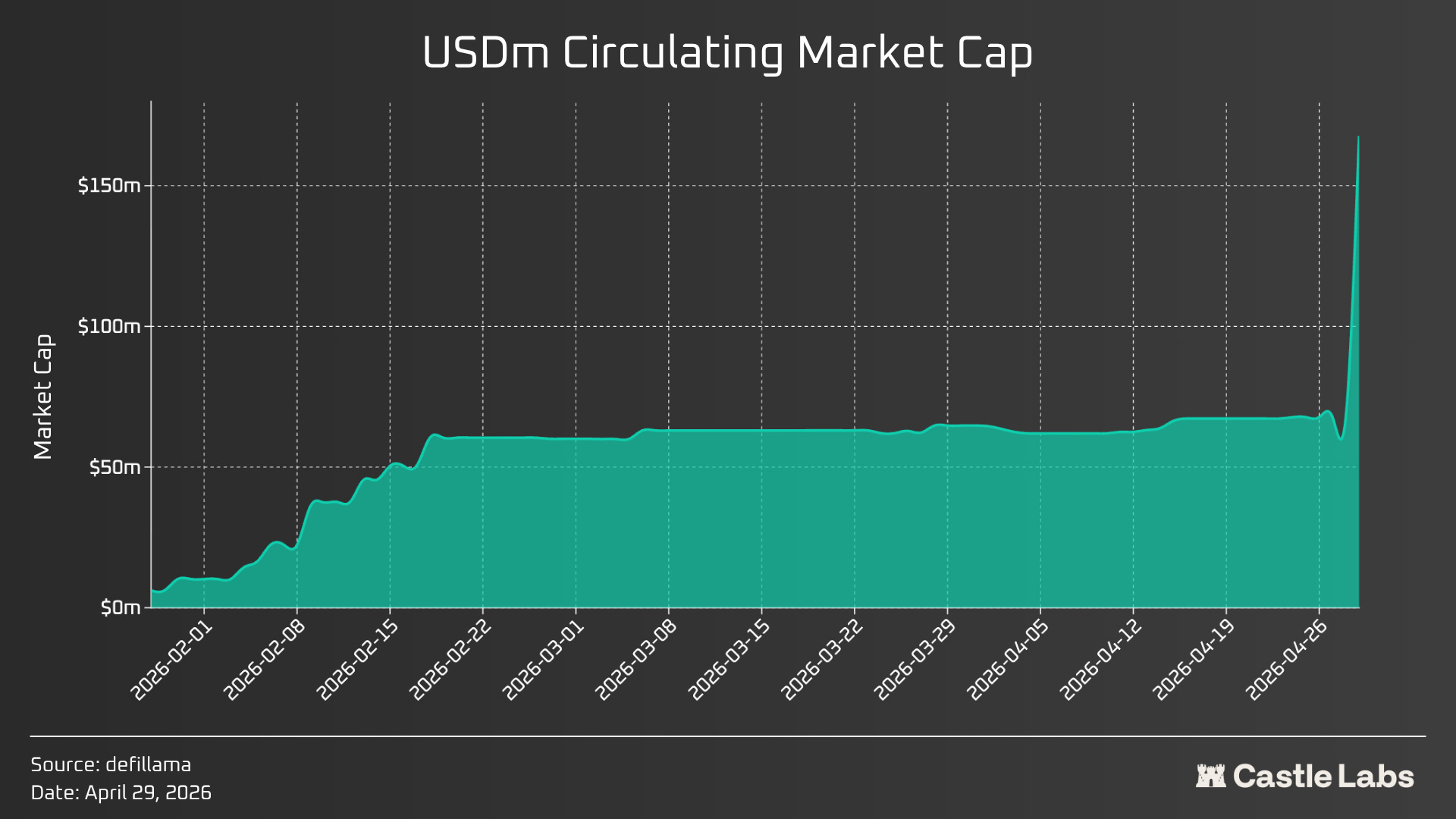
At the current supply with a treasury yield of 3.5-4%, it generates about $6 million in annual yield, which will be used to buyback MEGA, contributing to its flywheel. As USDm grows, the yield it generates increases, eventually contributing to more MEGA buybacks, and, with that, interest and demand for the chain grow, helping USDm grow even further. This is an additional source of revenue for the ecosystem embedded from Day 1, unlike other chains, which route most of the value generated through stablecoins to issuers like Tether and Circle.
Closing Thoughts
Wave 2 of Season 1 begins today, post-TGE, and more apps will appear on the terminal for exploration.
The category of applications on MegaETH is not part of the general chain’s ecosystem structure. They tried to expand into the consumer market and serve a new set of audiences. From a broader perspective, this is good for crypto, as it will help onboard net new entrants and align with current trends across consumer applications such as prediction markets and broader hyperfinancialisation. Previously, chains usually tried too hard to sell DeFi, which has failed. MegaETH’s approach is at least different.
We also talked about the target audience for MegaMafia projects in the past, as they are building heavily for Gen Z:
Mega is by far one of the most interesting events happening in 2026.
How are you going to play this out?
Every week for the last 3 years, we have shared our research for free, directly in your email. Not a subscriber yet? Let’s fix it:

If you are more of a Telegram person, you can read all of our research without the noise on our TG channel:
How was my friend?