


Welcome to another week of Castle Chronicle.
Last week brought a flood of launches on Robinhood Chain, with DEX volumes and chain revenue going through the roof. Some of these projects are launchpads trying to create a financial flywheel by pairing tokens with stocks, short and long leveraged positions, or buy fees.
While we cover what’s happening on Robinhood Chain, also expect to read:
Maple expansion to multiple strategies to diversify underlying yield
The Growing Conditional Liquidity in DeFi, ft. 3Jane and Fixed-Rate Lending
The $320 million white-hat hack where hackers returned 85% of the funds
On our Radar: Pendle on Robinhood Chain, Midas solmF-ONE, Zcash new highs, CRUMB on Robinhood, and more.

This week’s newsletter is brought to you by NoRekt - borrow USDC against ETH, protect your loan from liquidation, and get up to $225 in ARB rewards
The Memes and Stocks Season on Robinhood
Robinhood DEX volumes continue to spike, and so do the chain’s average fees. The chain now charges 6x the fees of Ethereum mainnet. Setting fees aside, most current volume is memecoin-based, but as expected, it would churn; it didn’t.
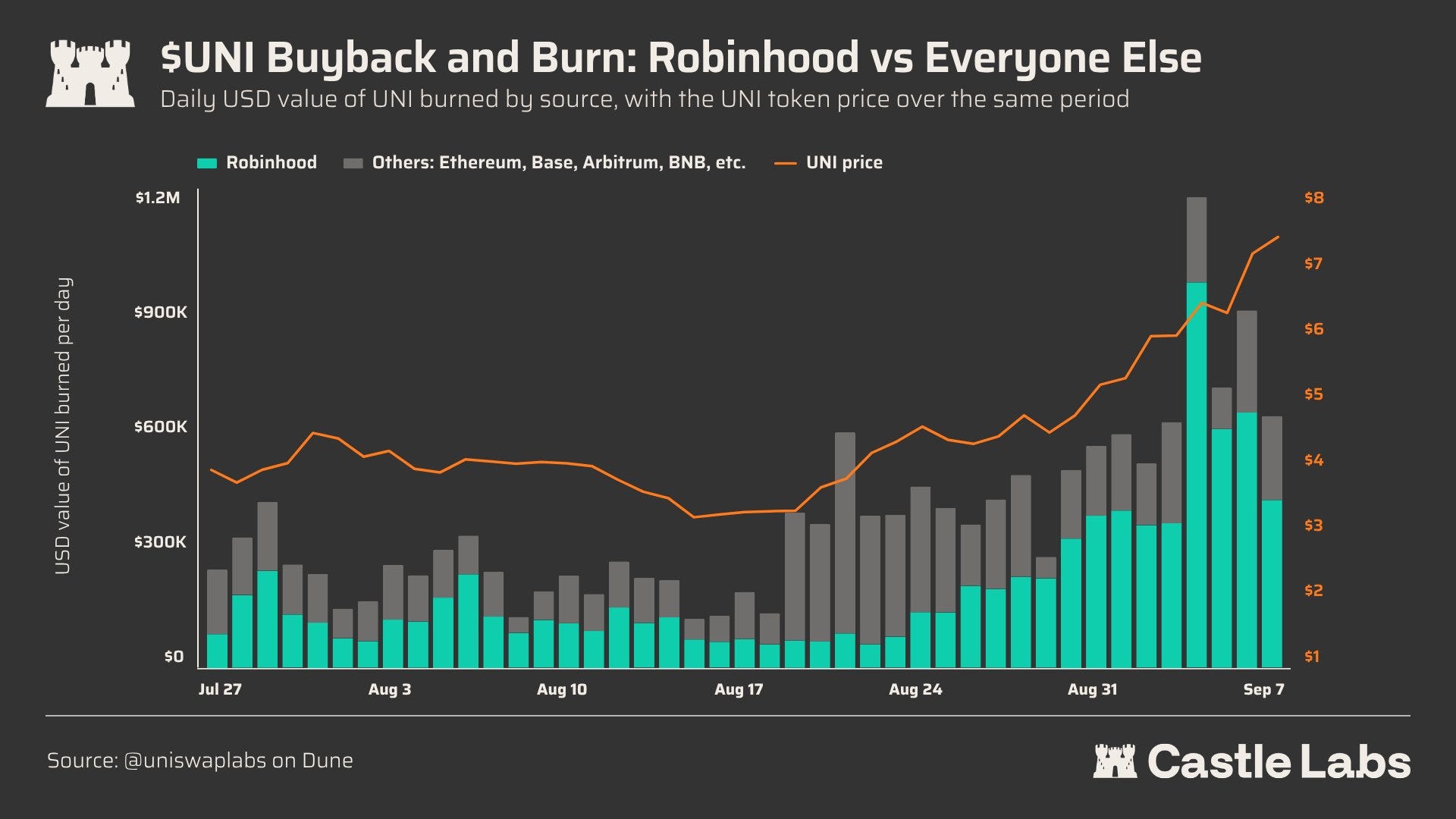
Over 95% of this DEX volume currently goes through Uniswap, and the protocol routes fees to $UNI buybacks. So far, the Robinhood chain has contributed ~$8.7m toward $UNI buybacks and burns since the fee switch activated on July 27. In the same period, $UNI is up 88%.
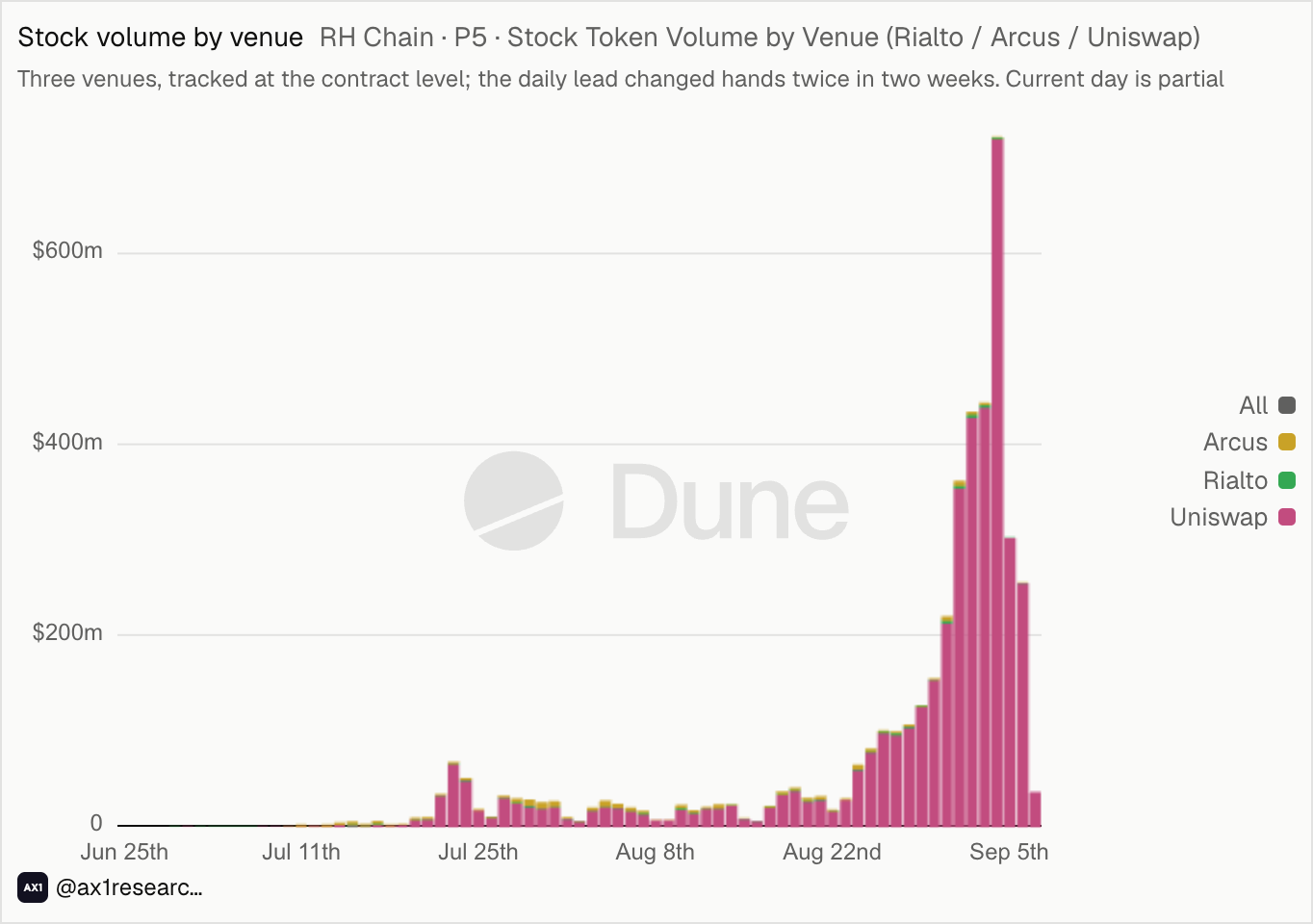
Another interesting trend that gained pace last week is the memecoin-and-stock pairing for liquidity provisioning; as a result, stock trading volume also spiked, reaching over $700 million in a day at its peak. The biggest winner here is $AI paired with NVDA, trading at $230 million at the time of writing. It’s particularly interesting because 80% of buy fees go toward collecting NVDA stocks, stored in the community vault.
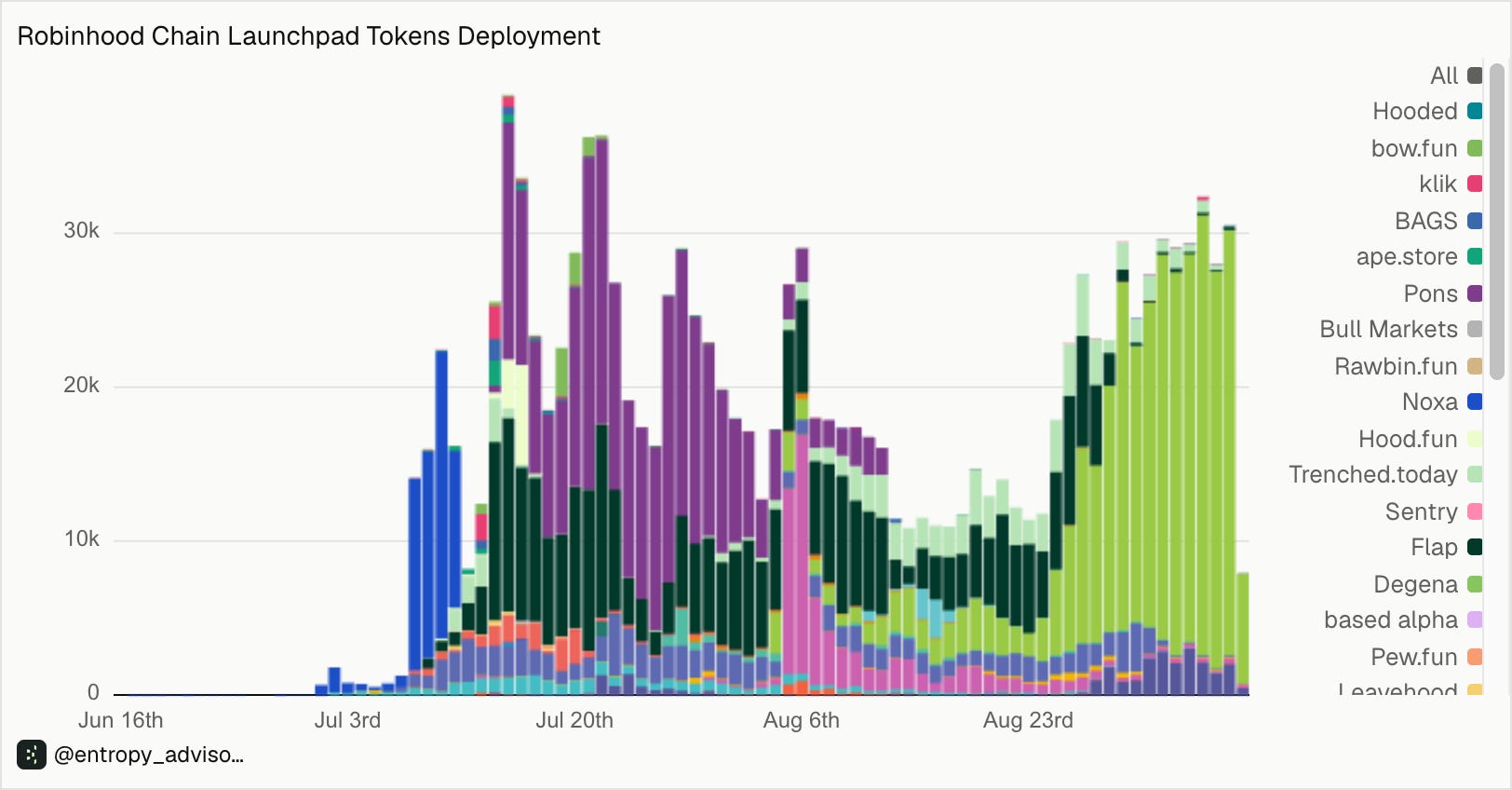
As for launchpads on the chain, Pons has been the real winner, owning over 90% of the market share ($PONS +65% 7d), while a few others like Long, a launchpad that pairs memes with tokenised stocks, and TradePools from Uniswap make up the rest.
Several products have launched on Robinhood recently, trying to create a flywheel around liquidity provisioning by pairing it with stocks or charging fees that lead to tokenholders. Some interesting ones include PareStocks, which splits tokenised stocks into price exposure and dividend exposure, similar to Pendle. Other interesting projects are HookrFun and Shroom Network.
Blocmates covered the majority of them in their recent article, recommended reading.
Maple Expanding Into Three New Strategies
Maple now manages over $4.8 billion in AUM, but most of the yield comes from overcollateralised institutional lending. To diversify the yield sources, Maple is now expanding to three new strategies:
Direct Lending against institutional credit and rated securities: Maple will lend against portfolios of asset-backed and mortgage-backed securities.
Asset-backed securitisation: Maple will lend to SPVs holding loan receivables from established fintech lenders.
Basis Trade: Maple will run hedged spot-futures strategies, earning from the spread between spot and futures running on liquid venues like CME.
These strategies will start in syrupUSDT and then expand to other pools. To start, each allocation will be capped at 5% of the overall deposit base for initial monitoring.
These new allocation strategies are based on large, liquid TradFi markets that are currently not tapped at scale onchain. This could be the opportunity to bring that yield to onchain depositors.
The Conditional Liquidity DeFi
Last week, 3Jane introduced Levered Callable Capital (LCC). 3Jane underwrites uncollateralised loans to users against verifiable portfolios, including DeFi positions, credit scores, bank assets, and more. When users deposit into the protocol, the capital isn’t lent out instantly; it takes time, so the capital stays idle in the pool. LCC solves this problem.
LCC lets depositors post a fraction of the net liquidity commitment they are providing while earning yield on the rest. Whenever the capital is required users can provide the needed liquidity.
For example, an LP can deposit only $75k in margin (aETHUSDC) to back $1m in callable liquidity. While the $75k stays locked, the rest of the funds can earn yield elsewhere, while the user earns 125 bps on the full $1m commitment.
So in this case, the user gets yield from their margin ($75k on Aave) and 125 bps on $1m.
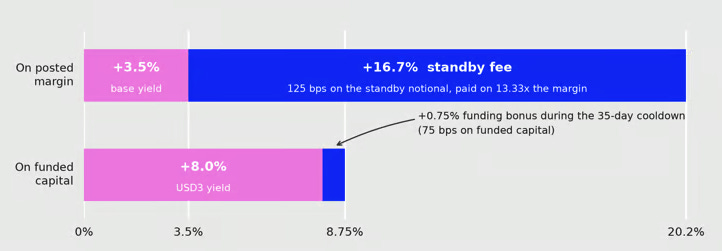
This DeFi primitive is also increasingly used in Fixed-Rate Lending to solve the cold-start problem. In Fixed-Rate lending, a major problem is that while the orders are fulfilled or accepted by the counterparties, the capital sits idle, earning no yield.
Protocols today solve this through conditional liquidity that acts as intent towards the placed order, and liquidity is called only when an order is matched. While the match is found, the capital can earn yield in variable-rate pools.
We covered this in detail in our recent article covering Morpho Midnight, Kamino, and Jupiter Offerbook.
Liquid BTC $320 million hack
On Sunday, white-hat hackers hacked Blockstream’s Liquid Network and withdrew 4k BTC ($320 million) from the Liquid Federation wallet that backs L-BTC.
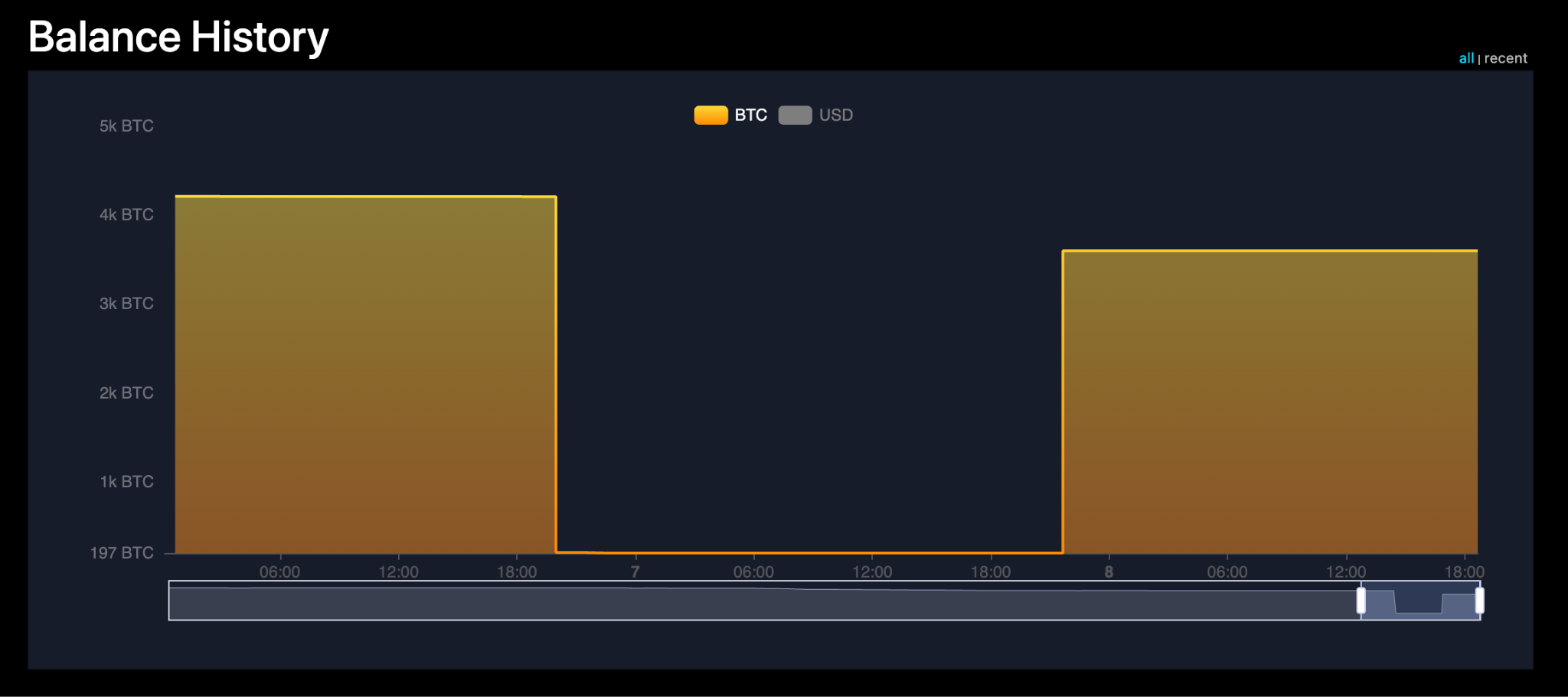
After the hack, the ethical hackers asked to fix the bug and patch the nodes so they can transfer the funds back to Liquid Network.
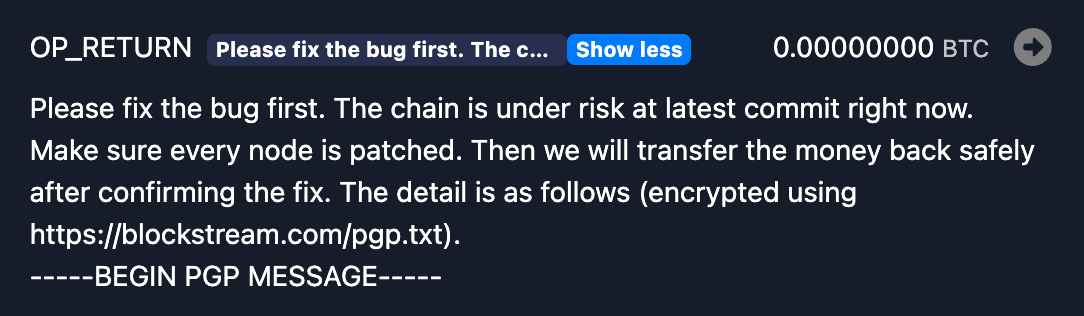
Once the nodes were patched, the hackers returned the funds, but they didn’t return everything, keeping ~600 BTC ($47 million) for themselves. By doing so, they are keeping 15% of the funds as the bounty, which is relatively high considering the amount. Since then, Liquid Network hasn’t commented anything on how the remaining funds would be compensated to users. The situation is still developing, but given the scenario, it doesn’t seem hackers are returning funds anymore.
On our Radar

Pendle is live on Robinhood and went live with sNET; $PENDLE emissions hit a new all-time low of ~884k PENDLE/year.
Midas launched solmF-ONE, a Solana-native version of mF-ONE, giving Solana users onchain exposure to Fasanara Capital asset-backed credit.
Hunter Biden is launching $LAPTOP memecoin, and the reactions to this are bad, as it seems like another extraction attempt siphoning liquidity from onchain users.

Crumbs is launching on Robinhood, converting every shopping experience into a portfolio gain so users get $AAPL when they shop at Apple.
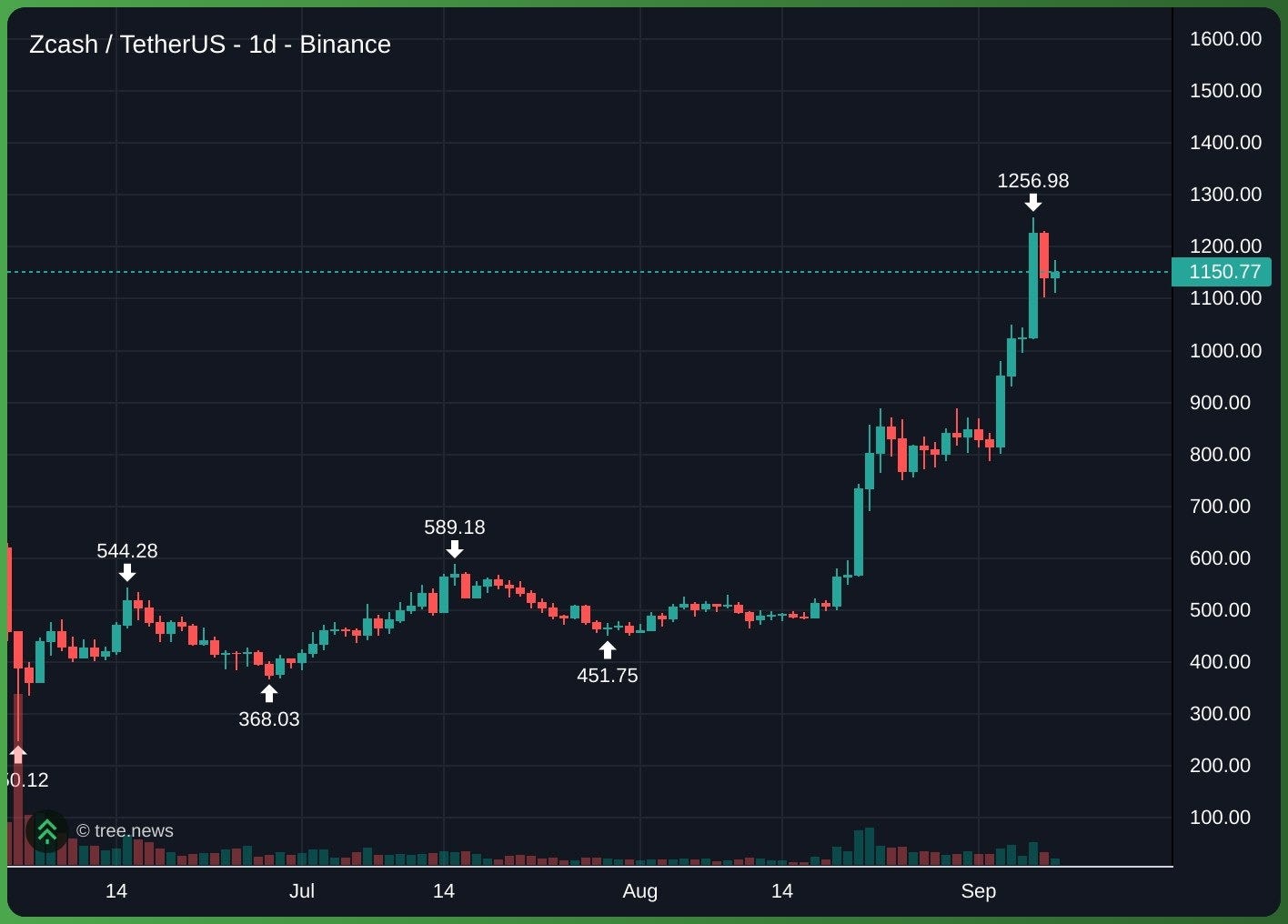
$Zcash pumped past $1k as the Grayscale spot ETF gained inflows.
That’s a wrap!
See you next week.
Every week for the last 3 years, we have shared our research for free, directly in your email. Not a subscriber yet? Let’s fix it:
PLUS, don’t forget to join our Telegram channel for the latest updates from Castle and all our research: Link here

In our newsletter, we may discuss projects or tokens in which we hold positions. While we aim to provide informative content, our views are not financial advice. Please conduct your research and consult professionals before making investment decisions. Crypto markets are volatile, and past performance doesn’t guarantee future results. Invest responsibly, and be aware of the risks. Your capital is at risk, and we do not accept liability for any losses.