


Welcome to Edition 143 of The Castle Chronicle!
Good afternoon, ladies and gentlemen, it’s a great day to be in the crypto industry. Turns out, it’s an even better day to read the newest edition of the Chronicle! Get after it!
Gm all, Here’s what we have for you today:
🔍 Market Watch - Black Swan Recovery, ZEC leads the way
🌅 Decentralising the Sun
💵 New options for collateral on Hyperliquid?
📖 Recommended Reads - Top reads from the best researchers on CT

🔍 Market Watch
Gm frens! It’s been a rather uneventful week in terms of price action. Most coins are recovering from the black swan event, and the whole situation is rather uncertain. During moments like these, I always ask myself one question: “Do I HAVE TO trade this market?” And the answer is always NO.
I’ve come across this notion many times throughout my career as a trader that to be a good trader, we gotta BE the market. And we gotta know what it’s gonna do next. What an absolute load of nonsense!
A HUGE part of having an edge in the market is knowing when NOT to trade. I’m not joking when I say that I filter out more than 99% of price action. So it should come as no surprise that I say NO to markets most of the time. And that’s a good thing.
And the fact is that this black swan event invalidated most of my setups. My ideal market environment is one of consistent trends, and a black swan is anything but that. Therefore, any trades taken in such an environment are pure gambles. And that frens is not trading.
Price Action
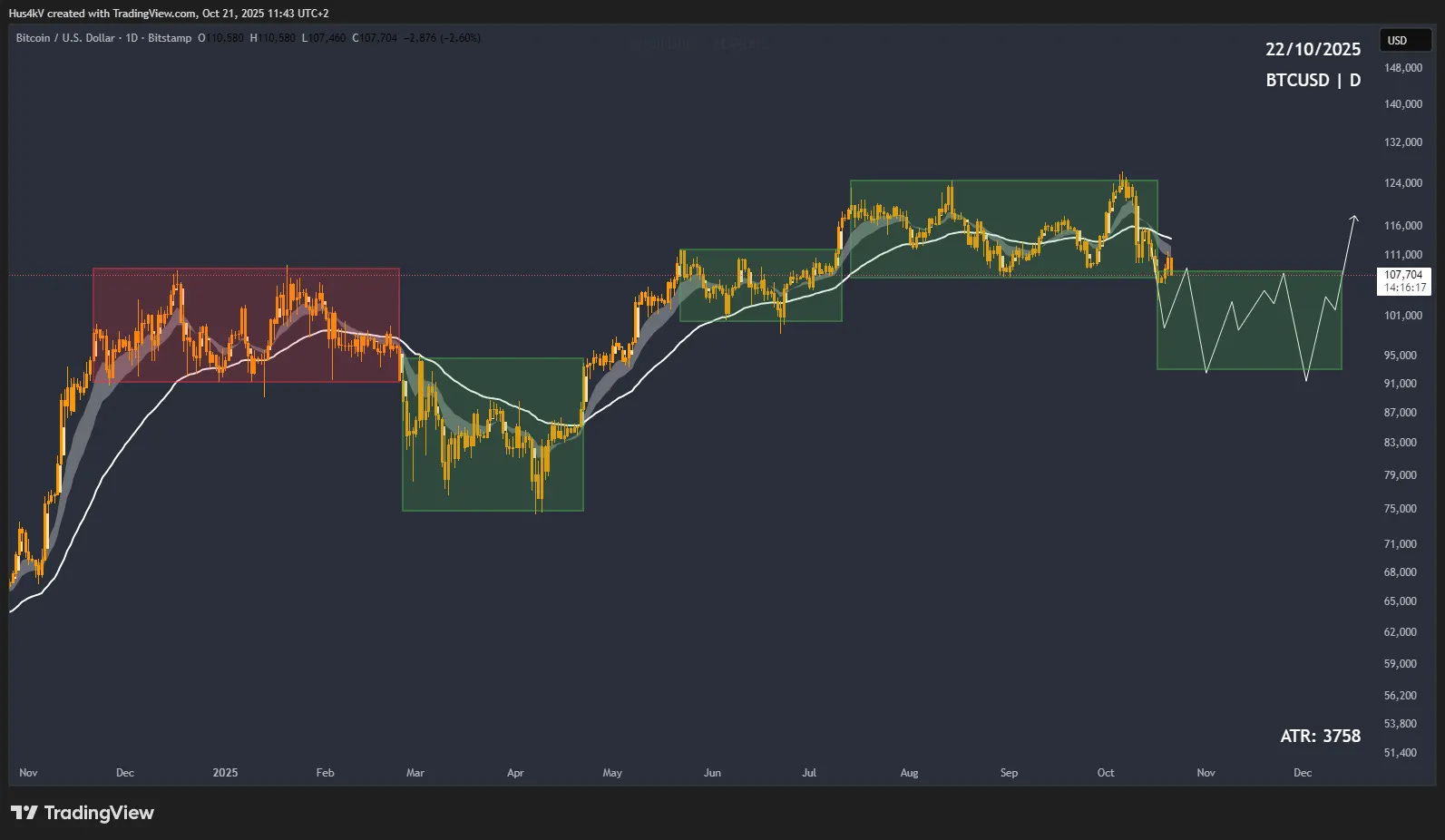
Last week, BTC attempted to break out higher but got shut down quickly. This leads me to believe we’re in a local distribution and that price will go lower before it goes higher. The overall trend on the weekly is still very much bullish, so the expectation is continuation towards new ATHs (all-time-highs). But right now price is consolidating, and there’s nothing to do.
Top Performers
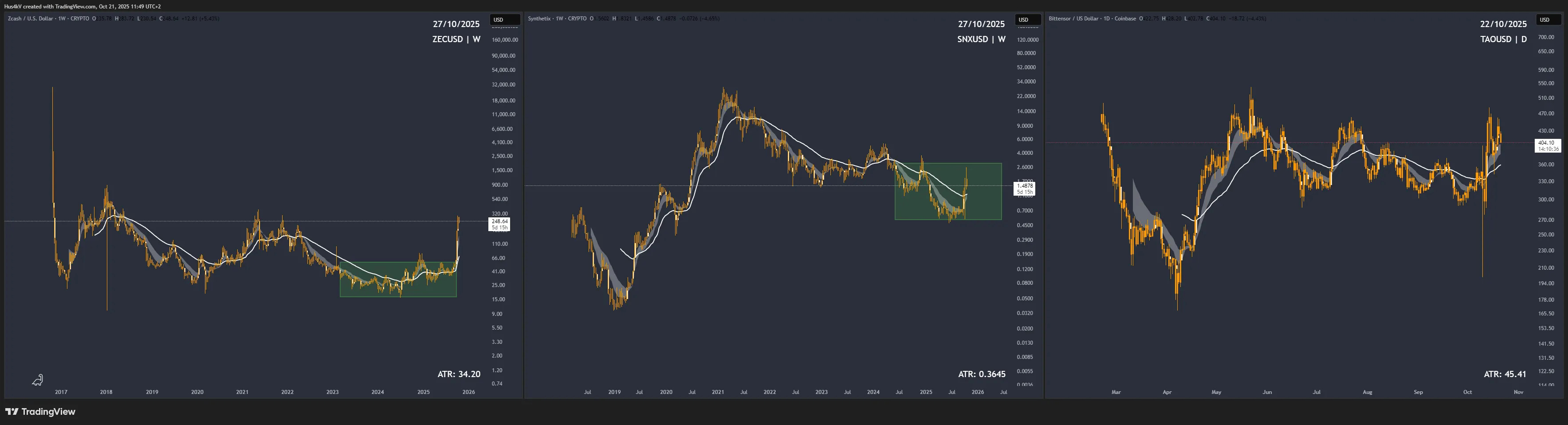
After the black swan and some time for recovery, I want to take a look at the 30d % change to see which assets are performing the best.

By far the strongest performer has been ZEC. It’s breaking out of a clear accumulation range and moving higher + the reaction ZEC had to the black swan has been, in one word, resilient! This is most definitely on my watchlist and possibly even worth trading during an uncertain BTC context.
When it comes to SNX, I don’t see a reason to follow this chart at all. It’s in an overall downtrend with a strong bullish candle, which means absolutely nothing to me. Why would I ever pick SNX over ZEC (for strictly trading purposes)? I wouldn’t.
And lastly, TAO - I’m also not a big fan. This just looks like one big sideways market. Yes, there are some signs of an early trend, but I want to see a little more. Once TAO breaks into a new high on the daily, I might follow it. For now, it’s a pass.
Narrative Performance
We once again see a red wave across the entire market. All sectors are down anywhere from -3% to -20% with the biggest losses taken by ICM and Prediction Markets.
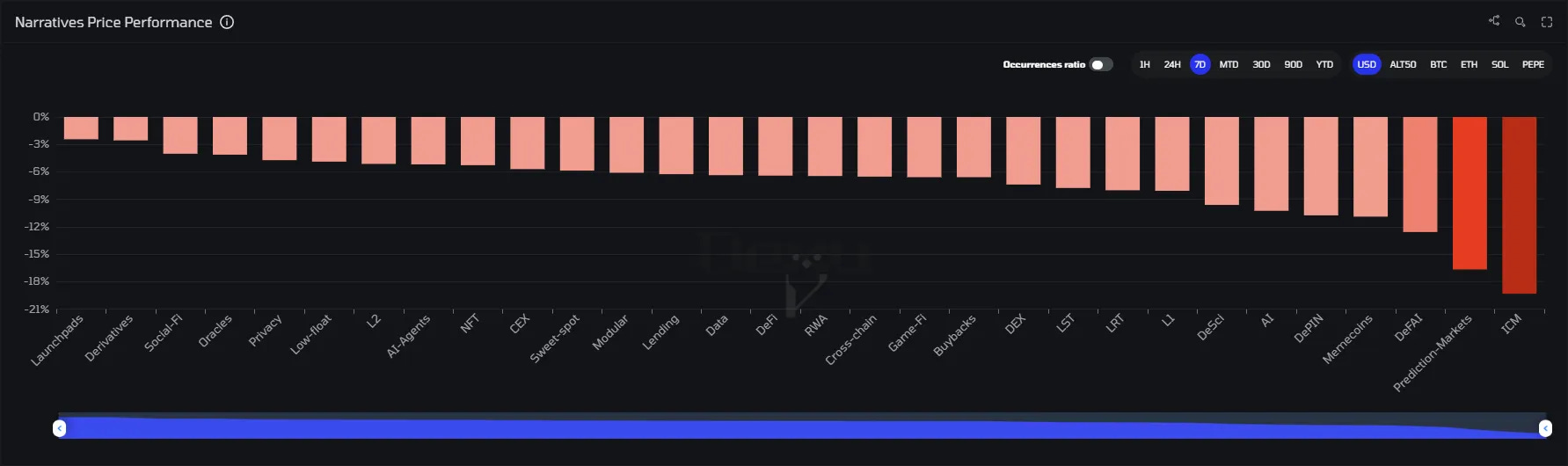
The main purpose of this section is to pay attention to two things:
What’s strongest during periods of bullishness
What’s most resilient during periods of bearishness
This should give us a good idea of what’s most in demand in the current market environment. And for the last couple of weeks, it’s been Privacy! Keep an eye on this sector; there might be something cooking.
I fully expect to be sidelined on crypto for the next couple of weeks, unless some crazy strength comes in out of nowhere. I expect that it will take some time to recover from the black swan and for some new trends to build up. Until that happens -
Risk responsibly, and I’ll see y’all next time!
Courtesy of 0x_Vlad - trend-based trader and MentFX student
Not following what I’m talking about? Check out my quick cheatsheet to understand how I approach a chart.
🌅 Daylight: Decentralising the Sun
The future is increasingly dependent on energy to keep the world turning.
The rise of electric vehicles and the Cambrian explosion of AI has caused a surging demand for electricity, and it will inevitably get more demanding.
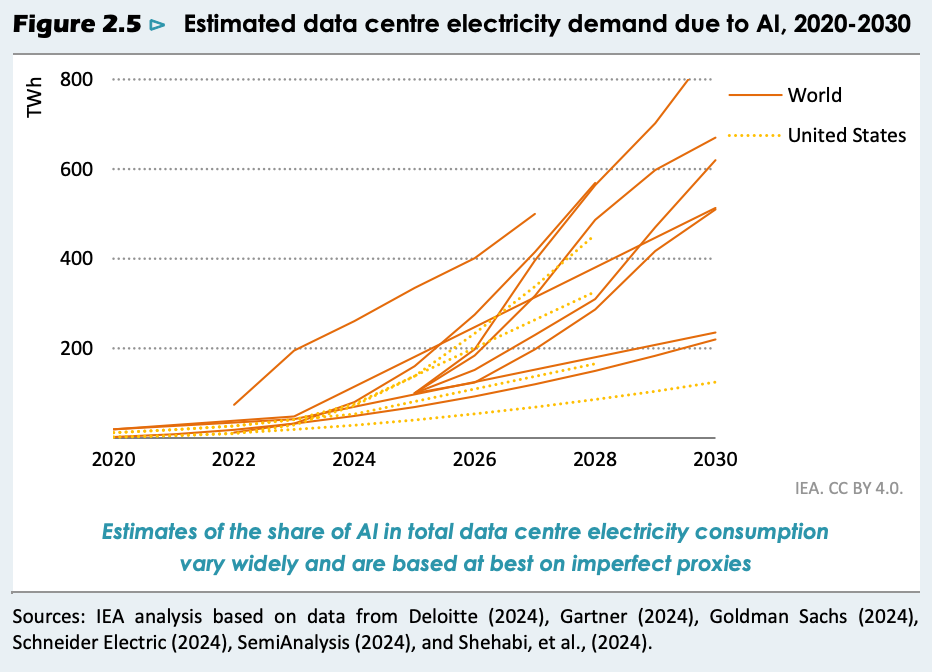
The U.S. Government has just acknowledged that the national grid needs to be upgraded to support the future heavy demand from data centres and other AI infrastructure. These advancements are dragging down the effectiveness of this ageing system.
So how do we relieve the strain from the grid when we can’t rely on fossil fuels forever, and we can’t stop the demand from increasing?
That’s where Daylight comes in, harnessing the power of the Sun as a continuous source of usable energy.
As part of its vision, Daylight proposes the creation of a distributed solar energy grid, which will help meet future electricity demand.
For years, the power grid has been a centralised system built around predictable demand from its users, but it’s breaking down as AI and data centres consume massive amounts of energy.
As a further consequence, this strain drives up energy prices for homeowners. Solar networks can help relieve that pressure by distributing stored energy where it’s needed most, making power more granular and affordable.
With Daylight, homeowners can get solar panels installed on their roof, power their home, and get compensated for sending ny excess energy back to the solar grid.
Solar power has existed for decades, but only recently gained real traction as more people recognise the limits of the traditional grid and the need for cleaner alternatives. For once, using such a system is a much easier and direct way for users to earn from their excess energy and get paid (especially in a token that resembles equity in their power company).
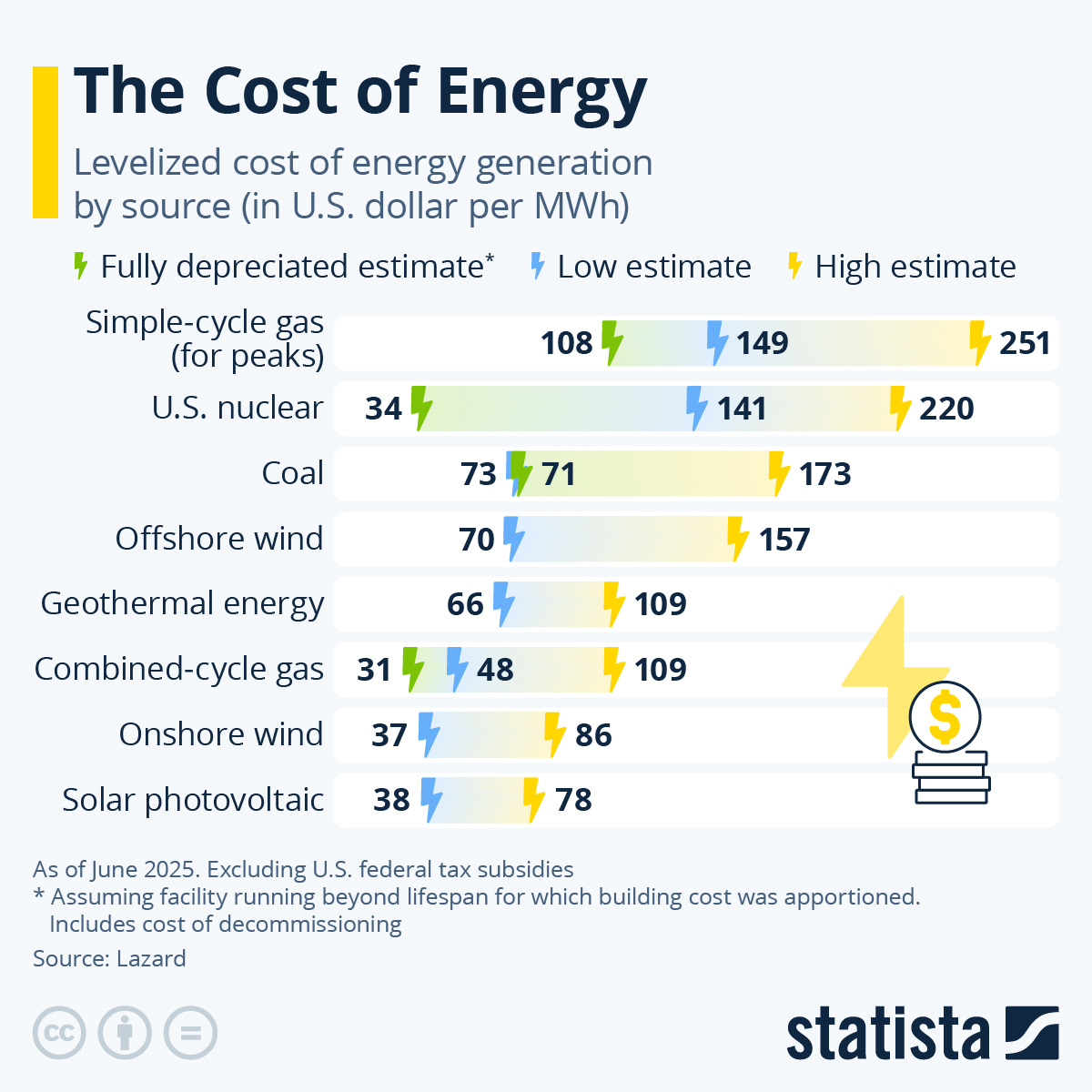
One of the factors that separates Daylight from other solar power companies is the cost savings it offers customers. Typical upfront costs for a solar panel installation can reach up to 30k and can be a significant burden for most potential customers.
Daylight circumvents this issue using a subscription-based model that offers homeowners more affordable power by locking in energy rates, providing immediate savings compared to a standard utility bill.
With the subscription, customers receive solar panels, battery backup, and installation with no down payment required. Since they lock in rates, homeowners get a predictable rate that won’t increase over time - this is a significant benefit, as energy prices have been rising faster than inflation.
If homeowners lock into this subscription, any excess power that gets sent back to the grid results in “Sun Points” going back to the user. These points will eventually become redeemable for their token upon TGE.
The biggest boon for Daylight and what they are trying to achieve is the proliferation of AI. AI has grown exponentially, and giants like Apple, Amazon, Google, and Meta are all looking at alternative energy sources to fuel their data centres as demand increases massively.
To scale their model and help ensure that they can support this demand, Daylight is introducing DayFi, a yield protocol that gives DeFi investors’ capital the potential to invest in physical energy systems.
These investors will be able to earn yield backed by energy revenues from Daylight’s portfolio of residential solar and storage systems.
While not explicitly said, this sounds like a yield-bearing stablecoin similar to $USDai.
Daylight mitigates a lot of traditional issues with solar power for homes, including:
Having a battery storage that is able to store a reserve of power in case of days with less sunlight or cloudy and rainy days.
The subscription model makes it easier to pay for installation, as opposed to the high upfront costs of traditional installation.
However, there are still some generalised headwinds and risks that come with solar power, like the location and positioning of a home’s roof. Not every home is a good fit for solar panels, which could keep certain homes from qualifying.
There is also the question of degradation of solar panels and batteries to consider: While they usually last 10-15 years before replacement, they will eventually need to be replaced, and you might incur other issues.
Daylight is in a cool spot, though, as they have a clear product in an environment where it makes sense for this product to exist. If the world continues to demand more and more energy, alternative sources will have to exist to take some of the load from these centralised systems.
It’s a lofty goal, but if they can really decentralise the power of the Sun, then crypto is ready to continue changing the world for the better.
Schizo out!
💵 Could a non-stable asset come as collateral on Hyperliquid?
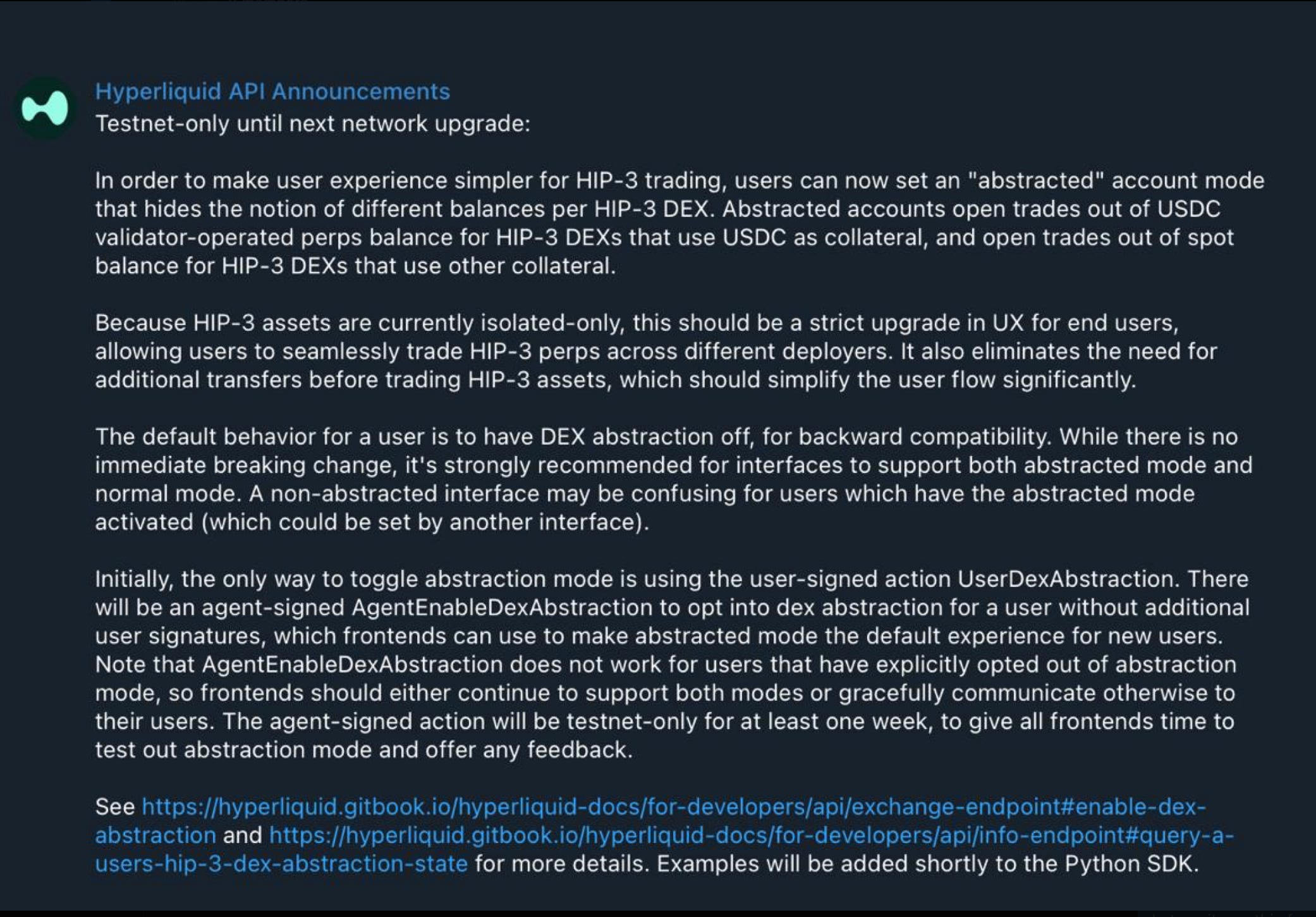
Don’t know if you guys saw this announcement….
I did because of my homie As required, who showed it to me last week.
But it will be possible to use a non-stable asset as collateral on the different HIP-3 DEX that will soon start to spin off.
Building on the Hyperliquid execution engine, this innovative Perp DEX will be able to use an asset like sETH or yielding BTC as collateral, enabling very complex yield strategy. Imagine being Long Open AI, Short ETH on Ventuals, using staked ETH as collateral. Earning funding on the Short ETH, the yield from the staked ETH & betting on the development of AGI with a Long Open AI. I love the idea.
But what truly excites me is the possibility for Hyperliquid (itself) to enable non-stable collateral as a quote asset on its official UI. Considering that they are enabling this feature on testnet first for the multiple HIP-3 markets, we can think that at some point, they could enable this feature on their own Exchange.

And that would make basis trade much more efficient on Hyperliquid.
Because now, as our fren Waj is mentioning in this screenshot, most of the basis trades on HL are not really profitable.
Protocols like Liminal are not capital efficient, you can only get the yield on the asset’s funding rate that you are shorting. Meanwhile your spot Long (imagine you are spot LONG hype and SHORT hype on perp) is not getting any yield. If you could have non-stable yield asset (like KHYPE) that would be much different.
Anyway, I’m far from being a math brain (as required & waj are), but I just found this testnet announcement very interesting & imo it could open crazy opportunities on the Hypercore orderbook if it was enabled not just for the HIP-3 market.
Have a g00d w33k
From C-L, with love
📖 Recommended Reads
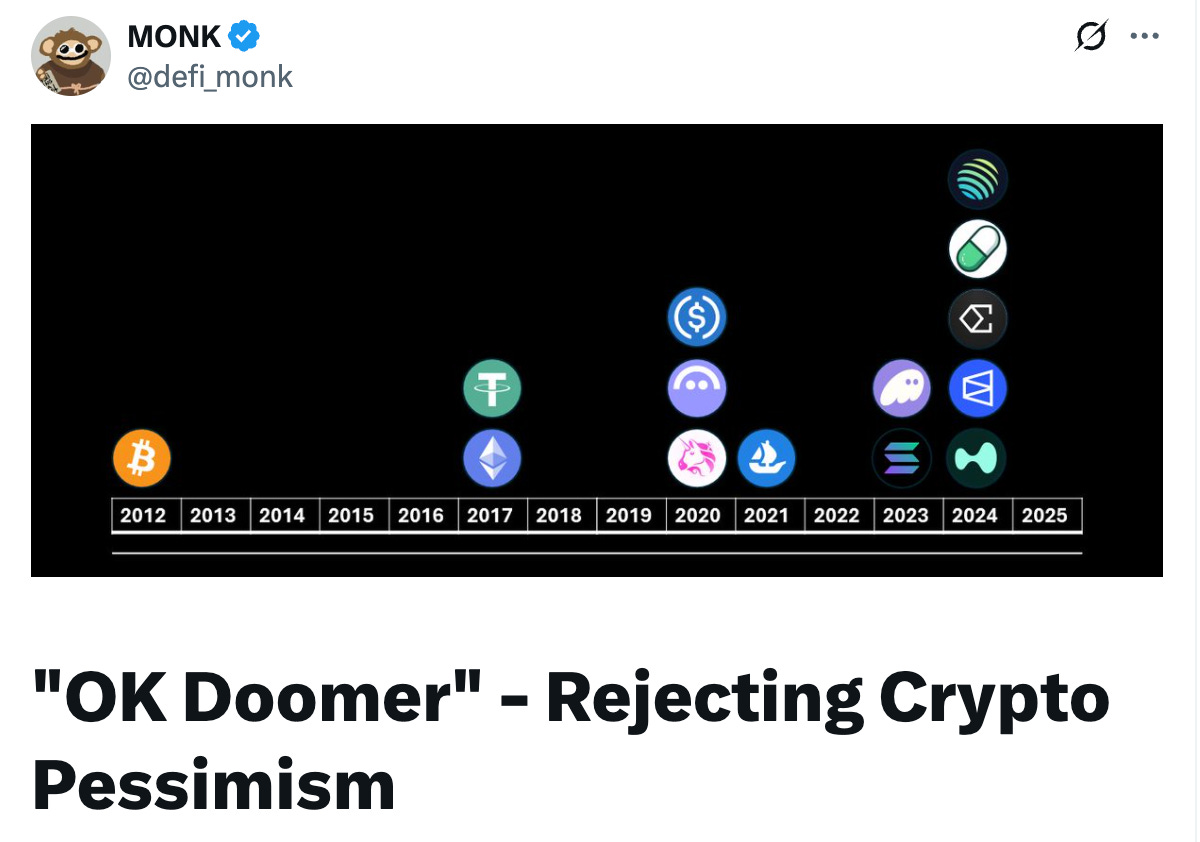
An excellent article by DeFi Monk, showing that not all is bad right now.

A humorous (but informative) view at Morpho by tittyrespecter, and what TradFi is replicating there.


Patrimonio’s great overview of the Machine economy offers a glimpse at our future.


That’s it for today’s issue, we hope you enjoyed it.
You can check out our X for new research reports and weekly gigabrain content.
See you in the next issue,
The Castle Team

In our newsletter, we may discuss projects or tokens in which we hold positions. While we aim to provide informative content, our views are not financial advice. Please conduct your research and consult professionals before making investment decisions. Crypto markets are volatile, and past performance doesn't guarantee future results. Invest responsibly, and be aware of the risks. Your capital is at risk, and we do not accept liability for any losses.