

Welcome to Edition 156 of The Castle Chronicle!

Gm all!
Welcome to the newest edition of the Chronicle!
You’ll get a curated list of the most important macro news and DeFi news, along with insightful posts from guests and more! Actionable intel done the Castle way 🤝
Without further ado, let’s get into it, shall we?

In The Markets
Man, it’s a depressing state of affairs in CT right now, isn’t it? It’s been a long time since I’ve seen such apathy and lethargy amongst crypto people, but that’s exactly what I’m seeing right now.
Seeing Gold, Silver, and stocks all running hard while crypto lags has been unfun to say the least, but it’s a guarantee that this is the sole driver of CT’s depression.
So what is there to do? If you ignore the traditional DeFi farmers and yield-seekers, there are only 2 things of real note: Memes and MegaETH.
MegaETH’s stress test has been going well, doing 21.1k transactions per second and being over halfway to their intended 11B transactions target.
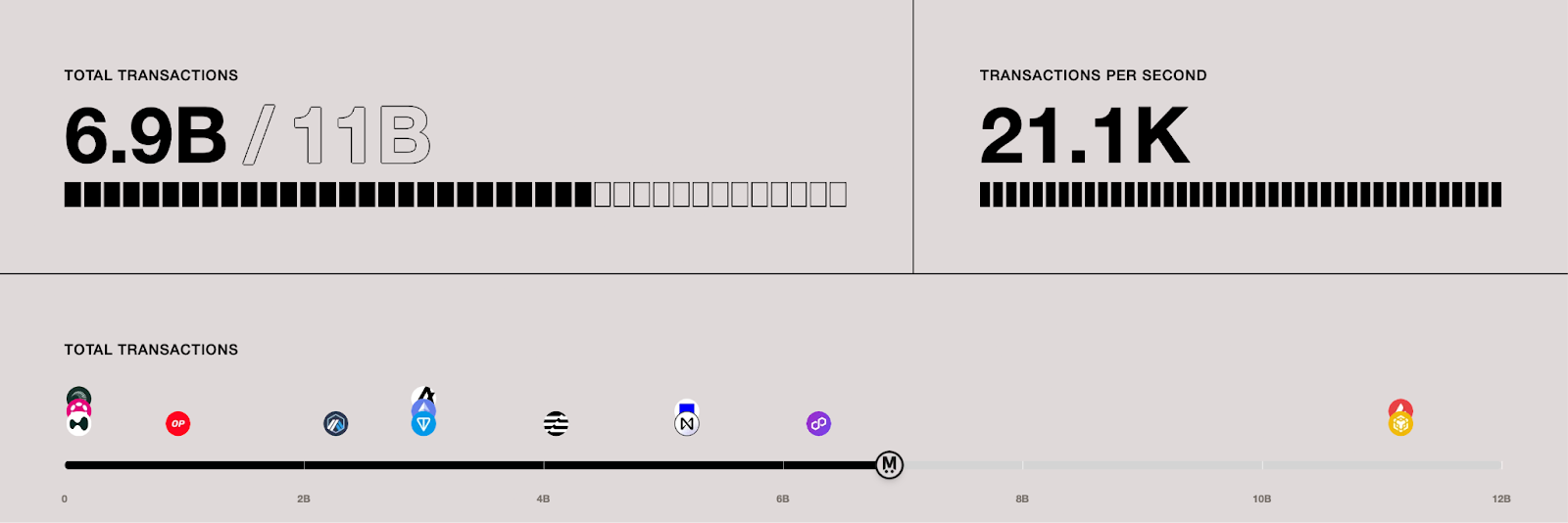
Once that target is reached, then mainnet will follow soon after. Maybe this will catalyze CT and bring some renewed vigor to the markets? Maybe a little mini bull-run brought on by a successful MEGA launch?
Time will tell.
You can also tell that everyone is jonesing for their next memecoin fix, moving on quickly from the small AI craze around RALPH and GAS and shifting towards PENGUIN and various derivatives of Claude/Clawdbot tokens.
PENGUIN saw a meteoric rise to almost 175M in market cap before falling over the past few days.
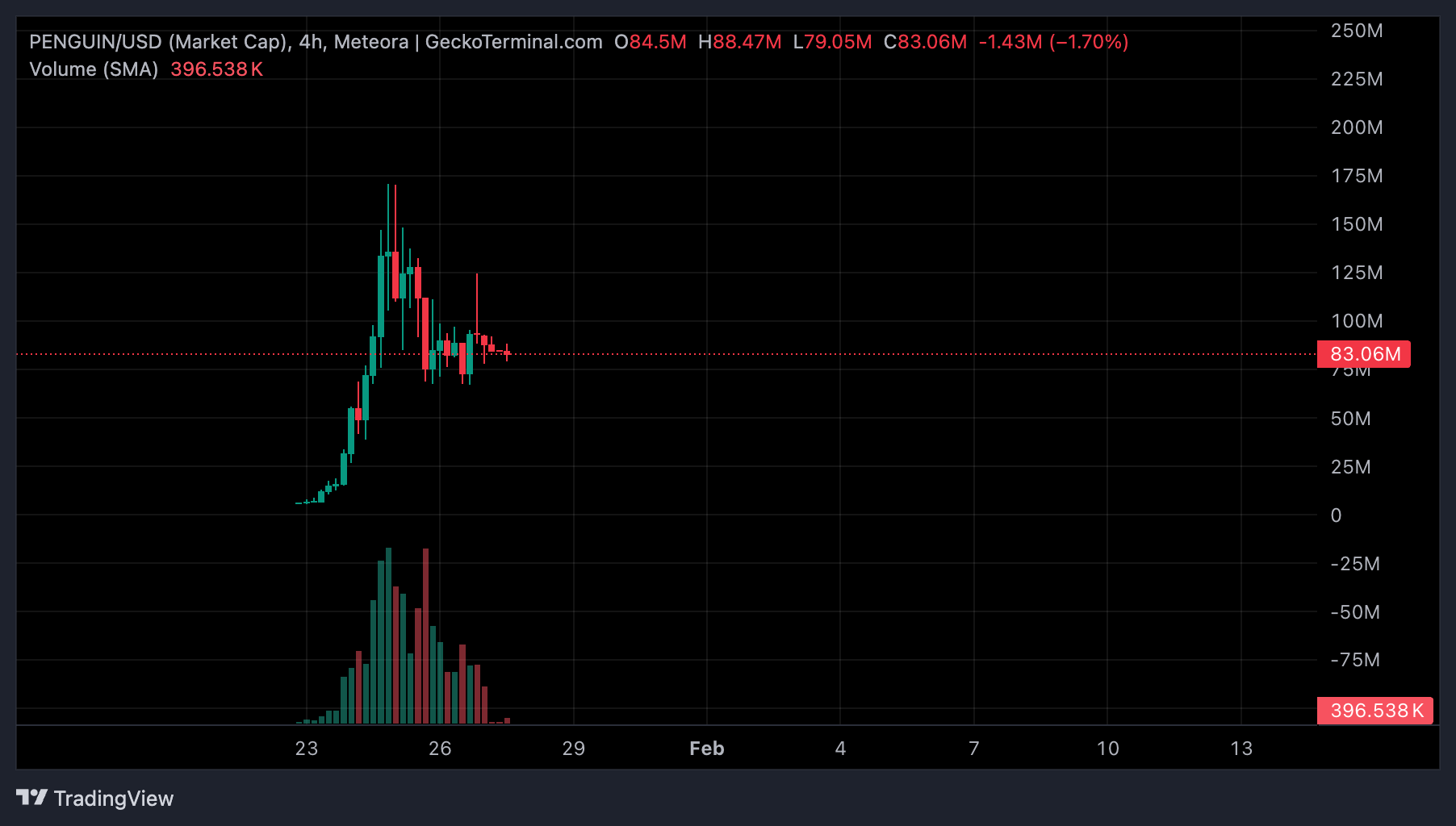
With over 40M in 24hr volume, memes and the few runners we’ve had are giving trenchers hope in a time where that is in short supply.
Then we have Bitcoin…doing its best impression of a limp, wet noodle. As mentioned above, BTC has been seriously underperforming Gold/Silver.

There’s a lot of discussion as to what may be causing this divergence, but there are 3 main points that gather the most attention.
Quantum Computing Fears - The idea that there can be technology that breaks Bitcoin security, ruining its potential as a store-of-value asset.
BTC failing the debasement test - BTC has always been touted as the safe haven asset, the digital gold, but when it comes down to it this year, Gold has been the winner by far, putting BTC’s status in question.
Saylor’s Big Bag - This has been an argument that has always persisted since Saylor started acquiring BTC through his DAT, but the general gist is that no one wants to own an asset that Saylor could be forced to unwind and sell. This perceived risk might be too much for any nation states, sovereign wealth funds, etc., that may want to buy BTC.
Now, if you want some bullish sentiment, this will do the trick:


BTC has plenty of different paths it can take, but only time will tell which one it chooses!
That being said, let’s dive into the rest of the newsletter!
Crypto Round-Up
Everyone Wants to Buy Anthropic
Literally everyone on the timeline is talking about Claude right now. From Claude Code, to Claude Coworker, it’s permeating everyone’s feed. This is no surprise, as they’ve actually built a great product that even someone with no coding experience can use.
These are the types of companies that people wish they could invest in, but unless you’re an accredited investor, these deals remain privatized and out of reach.
Unless you’re PreStocks.
PreStocks is live on Solana and lets you buy tokens that track the prices of pre-IPO companies. This is one of the better examples of crypto democratizing finance and allowing everyone to enter companies on a level playing field with funds and private investors.
Here are the tokens that they have available right now:
Anthropic
xAI
Anduril
OpenAI
SpaceX
Kalshi

Crypto + Video Games Should Work, But It Doesn’t
Once crypto really started to get going, and things like DeFi and NFTs became more commonplace, the next frontier seemed to be crypto x video games. But it just never worked out.
Sure, there were some short-term winners, like JEWEL and AXIE back in the day, but they had no staying power. Frankly, there have been no long-term winners in this technology mash-up.
But why is that? There are plenty of good reasons detailed out in the post below, but the biggest one that sticks out is that builders put the financialization of the games first, instead of just building a fun video game.
Everyone has always talked about how much sense it would make for video games to leverage crypto, but they’ve never had a reason to. So when crypto games are built for the token as opposed to the game, it falls flat on its face.
Will there be a new cohort of games in crypto that optimizes for a fun game first, integrating a monetary aspect later on down the line?
Who knows, but they should.

Tulips Are Flying Now
For the veterans of crypto, the name Andre Cronje is likely very well known to you. Called the “Godfather of DeFi”, Andre has created some notable (and polarizing) projects such as:
Yearn Finance
Keep3r Network
Solidly
And now, he’s moved to his next project: Flying Tulip.
Flying Tulip is meant to be a full-cycle DeFi platform, with unified spot, perps, lending, stablecoin (ftUSD), and insurance features.
On January 27th, Flying Tulip is doing a public raise and doing something fairly interesting with the funds being raised. Users who invest in this public round have full downside protection via perpetual PUTs and are allowed full redemptions of their capital.
So if things aren’t going as planned, investors can get out with their funds in check.
The reason this works is because Flying Tulip isn’t spending the investors’ money, it’s actually putting it into low-risk DeFi to earn yield. This yield will fund the project, which is a pretty novel way to raise capital and put it to use.
Flying Tulip was the next big innovative project in DeFi after Yield Basis, so we’ll have to see if it has the same level of success!


Arbitrum Corner
Welcome to another edition of the Arbitrum corner!
Needless to say, the market is tough, and this is true for both Arbitrum and other ecosystems. Tough to be positive by looking at the bigger picture.
Instead, let’s focus on the small developments, on the little joys.
In particular, this week marked the first Demo Day for implementations built with Arbitrum Stylus.
If you are not familiar with Stylus yet, don’t worry, we’ve got you covered with an extensive introduction to it and why it’s important. But for a TLDR, Stylus introduces a second WebAssembly (WASM) virtual machine, allowing developers to write smart contracts in Rust, C and C++. Stylus is a very practical development and a major unlock for developers, allowing them to bypass many of the limitations associated with an Ethereum Virtual Machine (EVM) environment.
As part of the initiative to boost Stylus development, Arbitrum launched a dedicated grant, the Stylus Sprint.
The first Demo Day organised by Entropy gives us a glimpse of how developers are taking advantage of it, as well as a sense of the composability between EVM and non-EVM environments, unlocking more possibilities.
Stylus Demo Day
Anyone interested in listening to integral Stylus Demo Day can find the recording and the transcript publicly available.
One by one, the projects presented their own Stylus-based implementations following the grant received as part of the Arbitrum Stylus Sprint.
Without further getting lost in the technical aspect of things, let’s look at the applications!
1. RedStone
Operating oracles in an EVM-only environment is very costly, as they need high-throughput or data-heavy feed updates.
For this reason, frequent or complex updates are still economically prohibitive.
Some of the primary limitations of oracles on an EVM environment include:
Stack-Based Architecture: Direct memory access is not possible, requiring multiple stack operations even for simple tasks.
Rigid 256-bit Word Size: All operations, regardless of actual bit-width, incur the cost of 256-bit processing.
Limited OP code set: Limited native support for common computational patterns; absence of SIMD instructions and native floating-point operations.
Quadratically Scaling Memory Costs: Complex data structures are expensive to store and manipulate.
Interpreted Bytecode vs Compiled: EVM bytecode is interpreted at runtime, without opportunities for just-in-time optimisation.
No direct hardware access: Examples include the impossibility of CPU-specific optimisation and making cryptographic operations very expensive.
Using Stylus RedStone can bypass these limitations and combine the best of the WASM and EVM approaches.
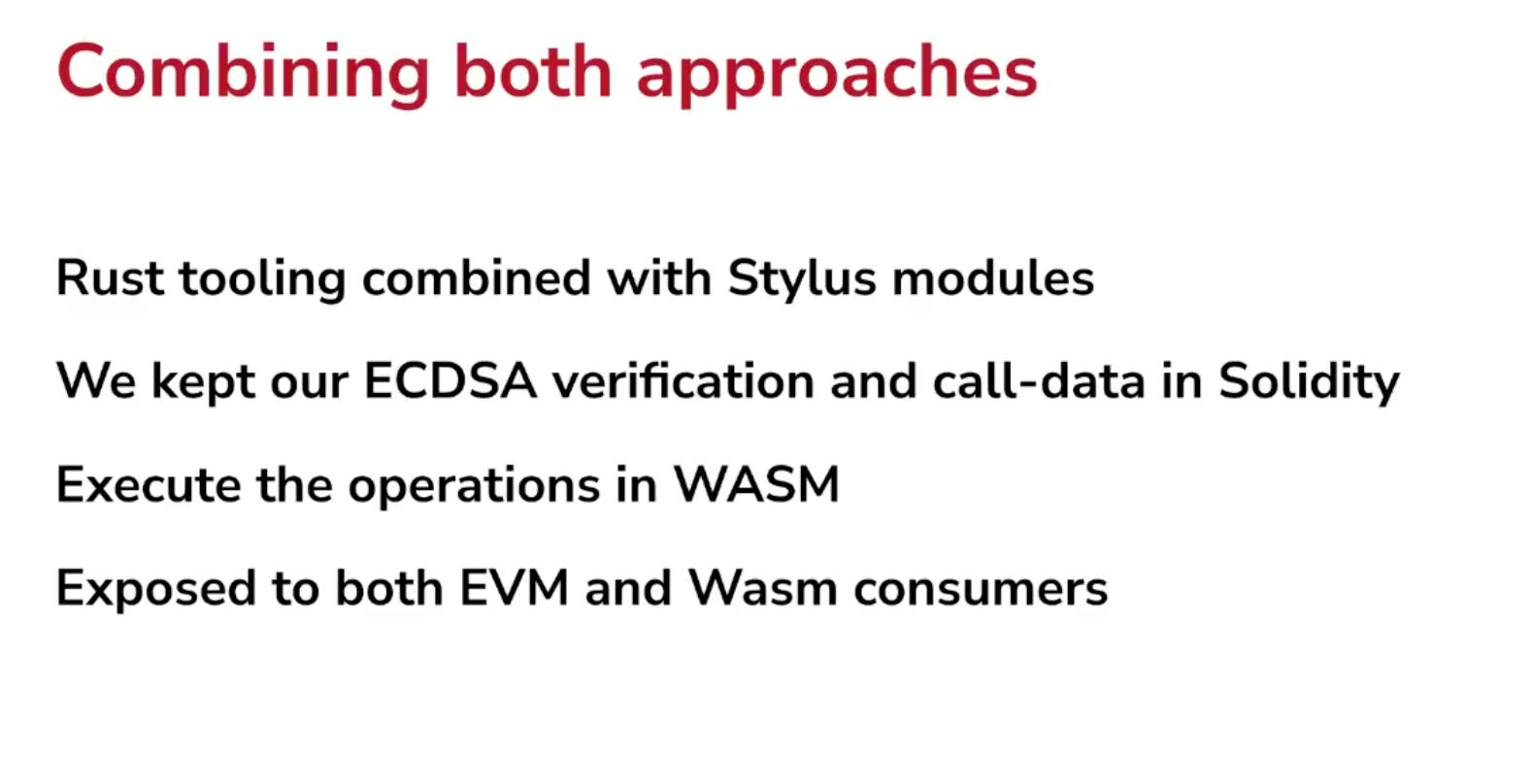
The Stylus WASM VM allows RedStone to compile and execute Rust-based logic onchain, significantly improving performance and reducing gas costs.
As RedStone’s SDK is written in Rust, it provides a much more native execution environment that does not require re-implementing core logic in Solidity.
Stylus also provides direct memory access, enabling efficient data structures andmultiple feeds to be processed within a single transaction. WASM also uses native 32- and 64-bit operations, so projects are not forced to use the forced 256-bit overhead, making high-throughput data handling feasible.
These advantages are not just theoretical, as they translate into tangible savings and improvements, both in the base computational overload (34.3% reduction) and in the computation per-feed (50% reduction), as highlighted in the table below.
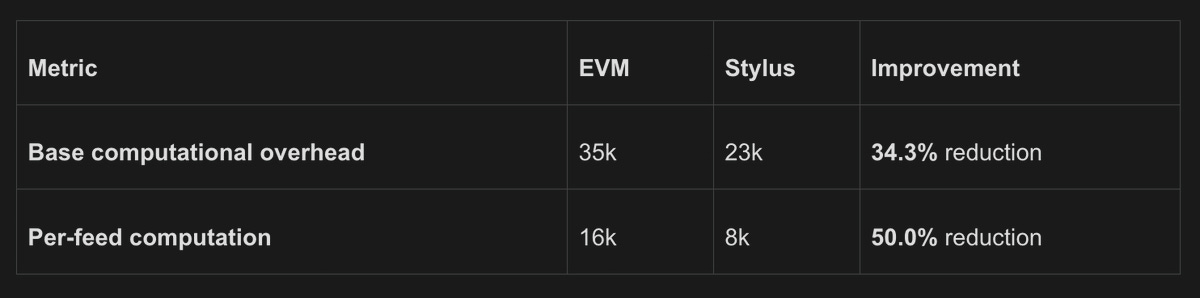
Compared to its EVM implementation, Stylus still achieves 26% total savings by cutting computational costs nearly in half.
For those interested, we expanded on the RedStone x Stylus implementation in a previous article.
2. WakeUp Labs
For WakeUp Labs, Stylus is a major advancement that allows developers to build smart contracts faster and more cheaply.
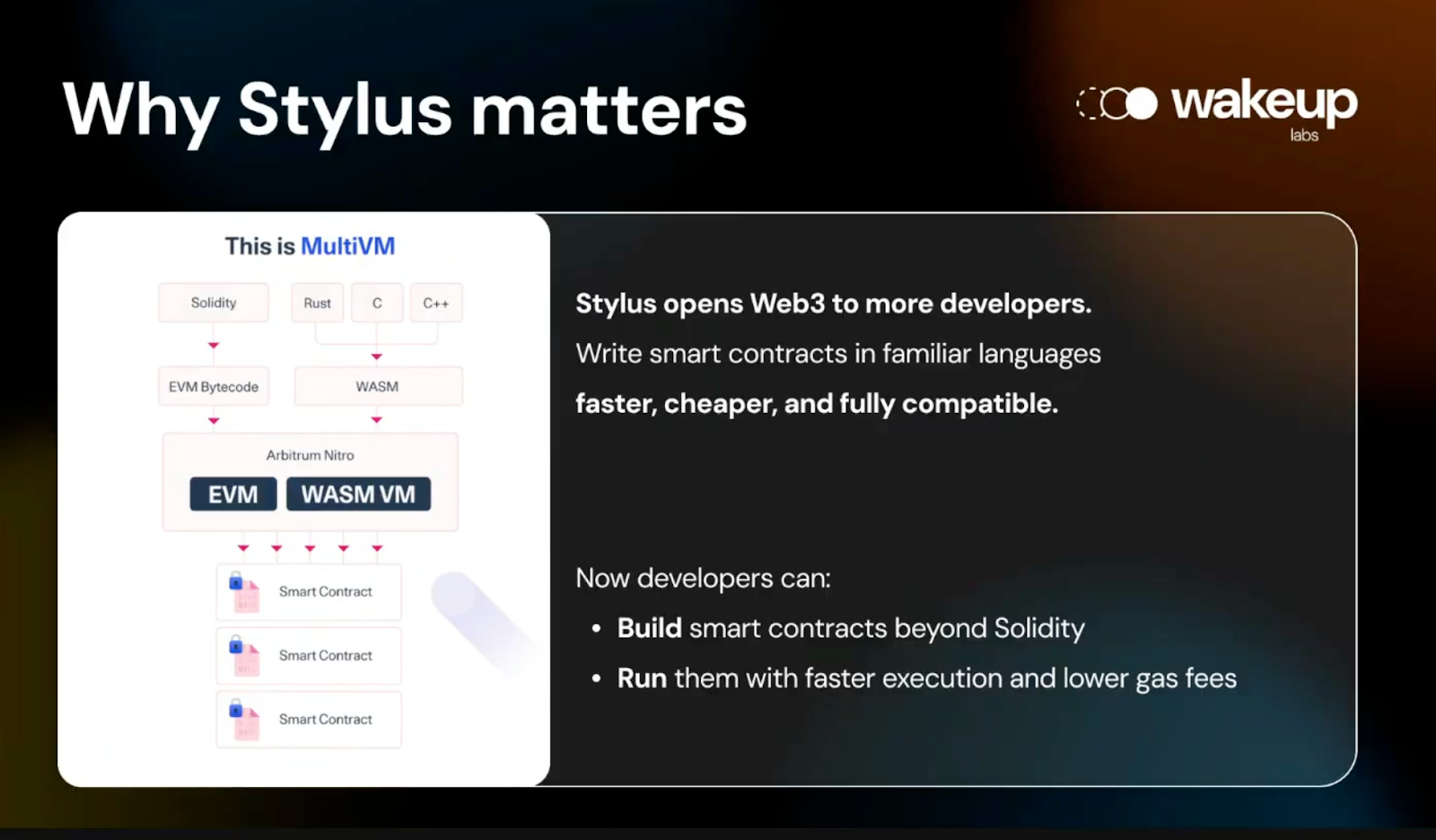
As part of this, they are working to integrate AssemblyScript, a popular TypeScript-like language, into the Arbitrum Stylus SDK.
By continuing to support more languages that developers are familiar with, Stylus lowers the barriers to access and building on Arbitrum.
This project was kicked off in April 2025, and progress with regard to the milestones can be followed on the updated forum post.
3. Rather Labs
In a similar fashion, Rather Labs is focusing on bringing a Move compiler for Stylus.
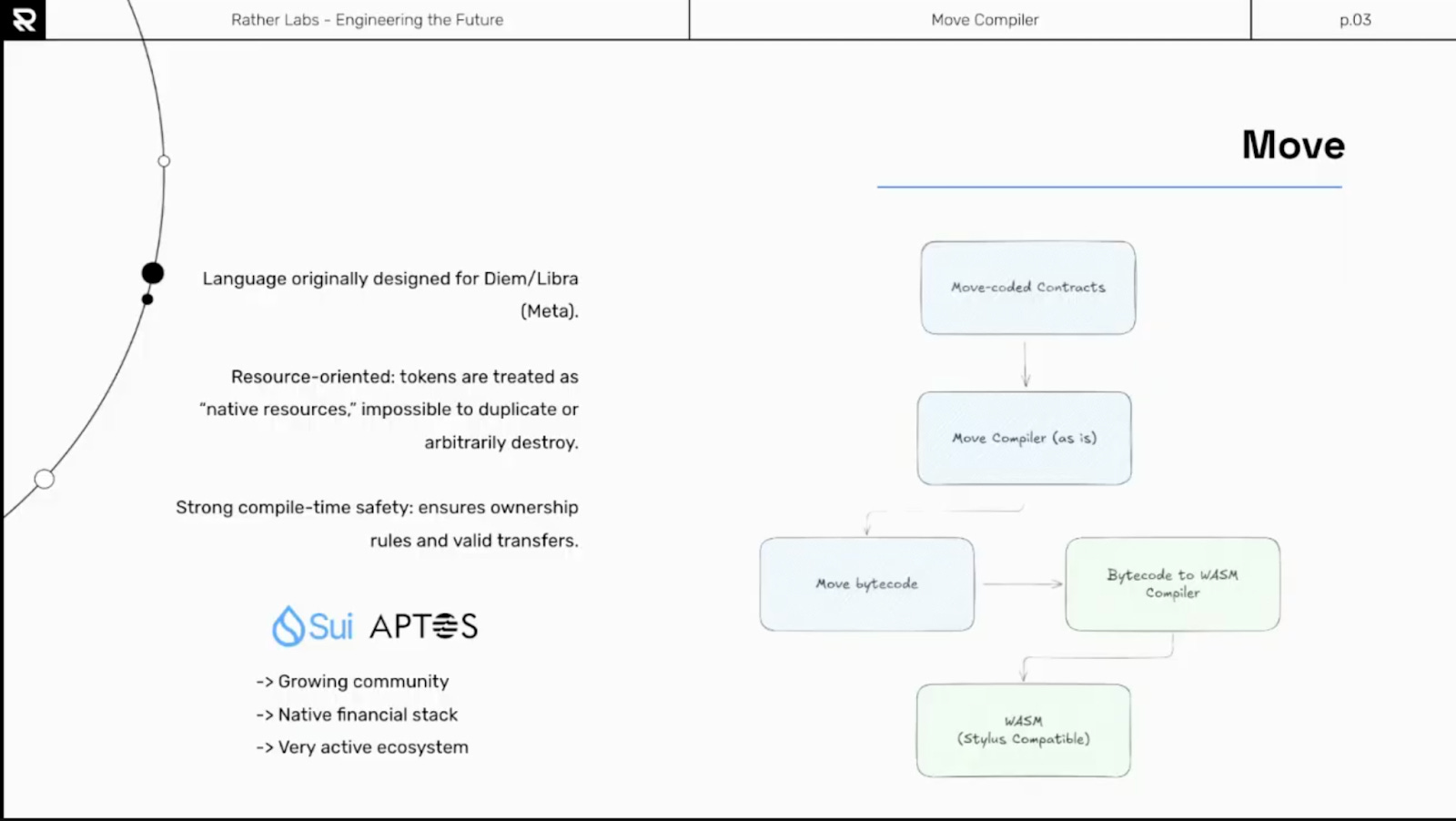
Move is the language Meta pioneered and Aptos and SUI have adopted, among others.
The project includes a compiler, a Move CLI for interacting with the compiler, and a framework that seamlessly connects it to the EVM.
Why choose if you can have both?
This allows developers to fully deploy functioning smart contracts written in Move, targeting another niche within the development community.
4. 9 Lives
9 Lives has leveraged the funds provided through the Stylus sprint to launch a prediction market featuring a wide range of events.
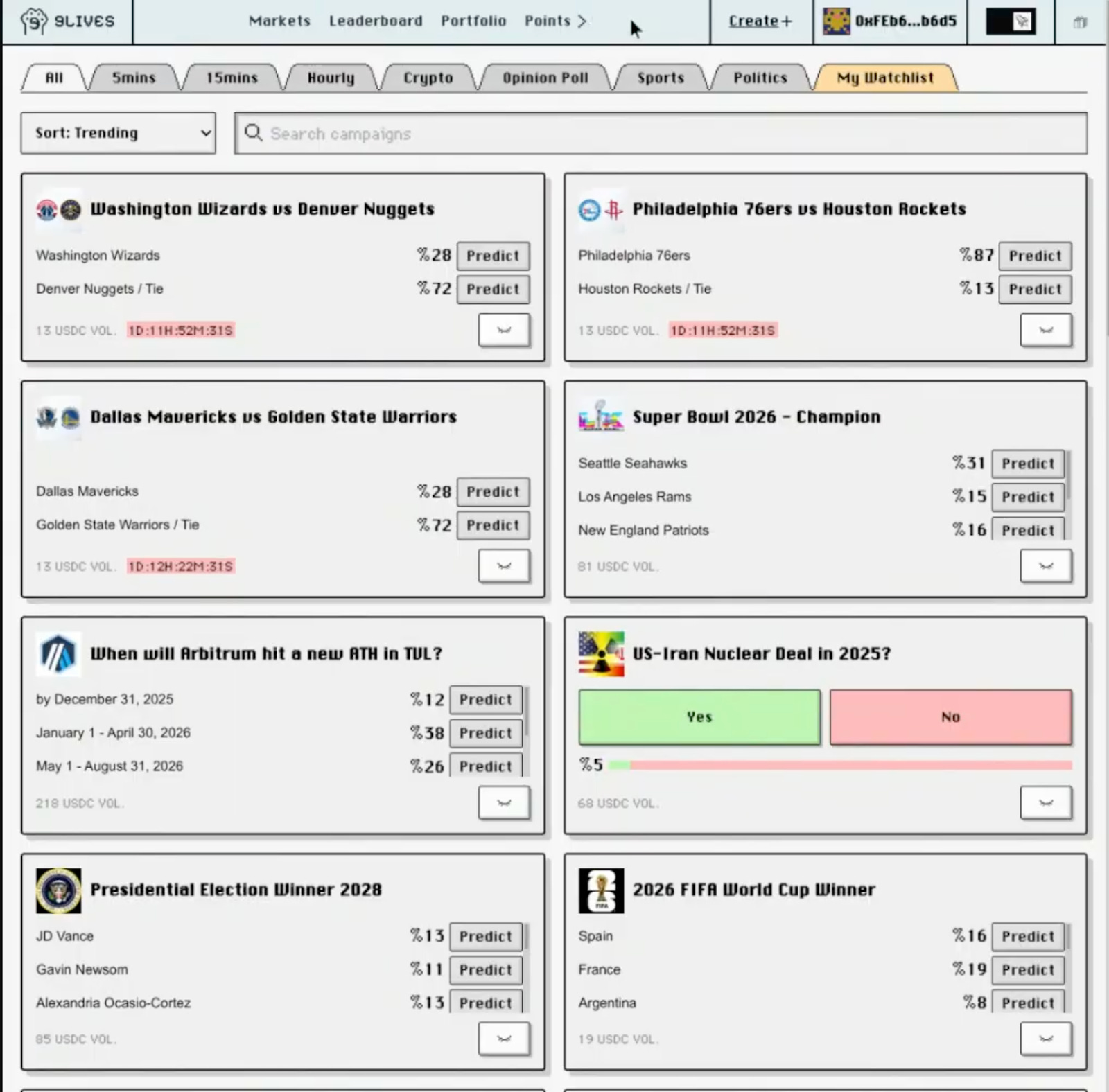
Initially, they adopted a different model based on early 2000s research, which enabled them to keep the market permissionless and free of external market makers. Instead, liquidity comes to the bets themselves. However, they eventually evolved the structure in favour of a hybrid of their previous model and an AMM design.
Stylus is not just a gimmick: for 9 Lives, this made development 16x cheaper than it would have been in Solidity.
While the project is nascent and their volumes are still small, averaging below 20k a day, this is another example of how Stylus can unlock development in areas and verticals that have traditionally been underserved on Arbitrum.
5. Trail of Bits
Trail of Bits is best known for its audits, but it also conducts research and engineering. In this case, they worked to create a Solang compiler which is compatible with Stylus.
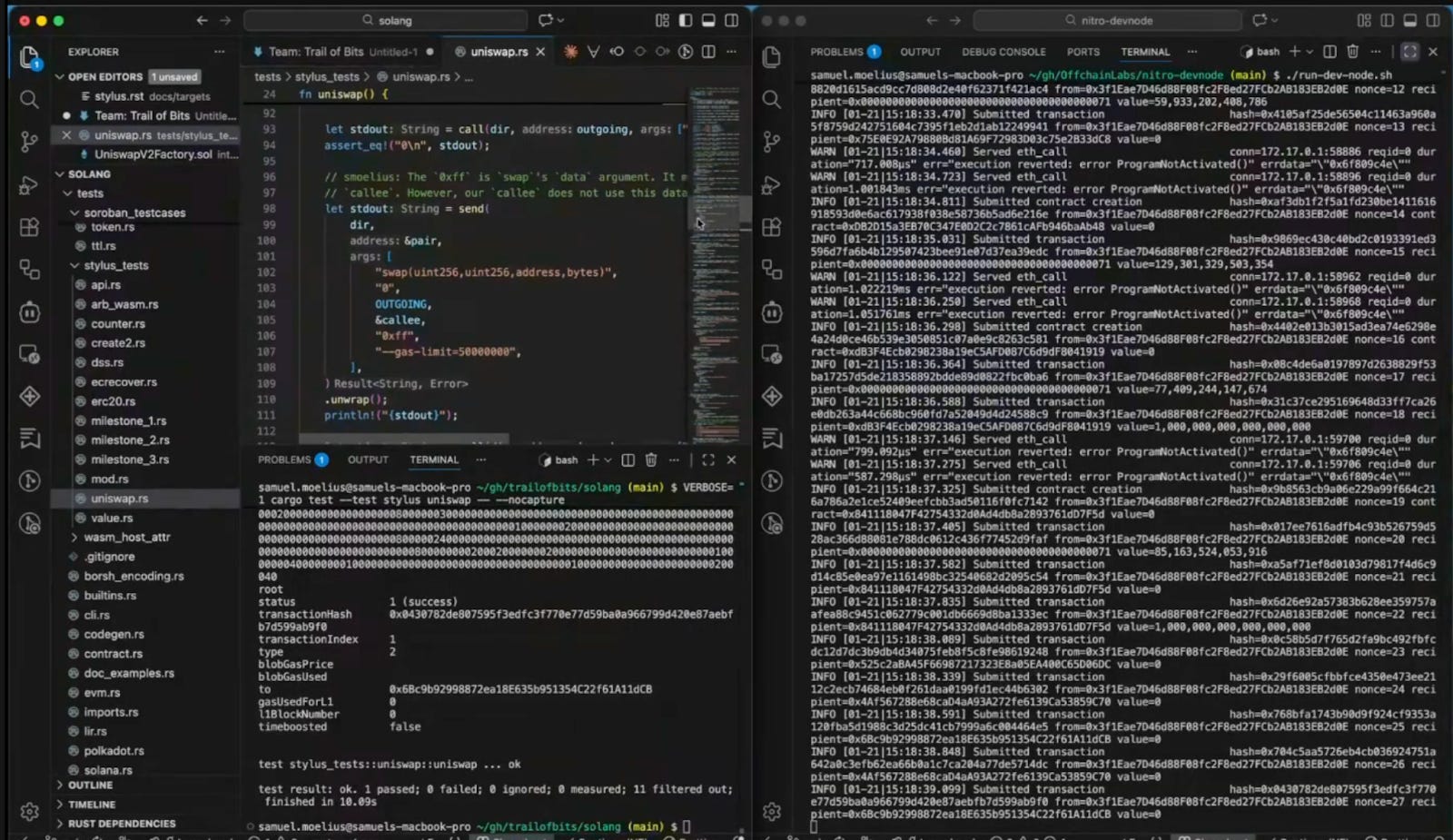
Solang is born as a Solidity compiler for Solana and Polkadot. The focus of Trail of Bits is to adapt Soland to produce WASM using Stylus imports (instead of Polkadot imports that the previous version used).
This version includes some minor differences compared to developing directly in Solidity, which developers should keep in mind when using it.
6. Oak Security
Oak Security developed Stylusport, a handbook and examples on how to “port” Solana programs to Stylus contracts.
This could give teams building on Solana’s Rust-based platform renewed interest in leveraging Stylus to access EVM liquidity and users without having to rewrite their applications’ code.

Being able to port them to Stylus makes the process faster, cheaper, and overall a much better experience for developers, bringing Solana and Arbitrum closer than ever.
7. CoBuilders
CoBuilders is a LATAM-based software shop building a UI for the Stylus cache manager. In this way, developers can cache their own contracts and monitor the status of the entire caching process in a very user-friendly way.
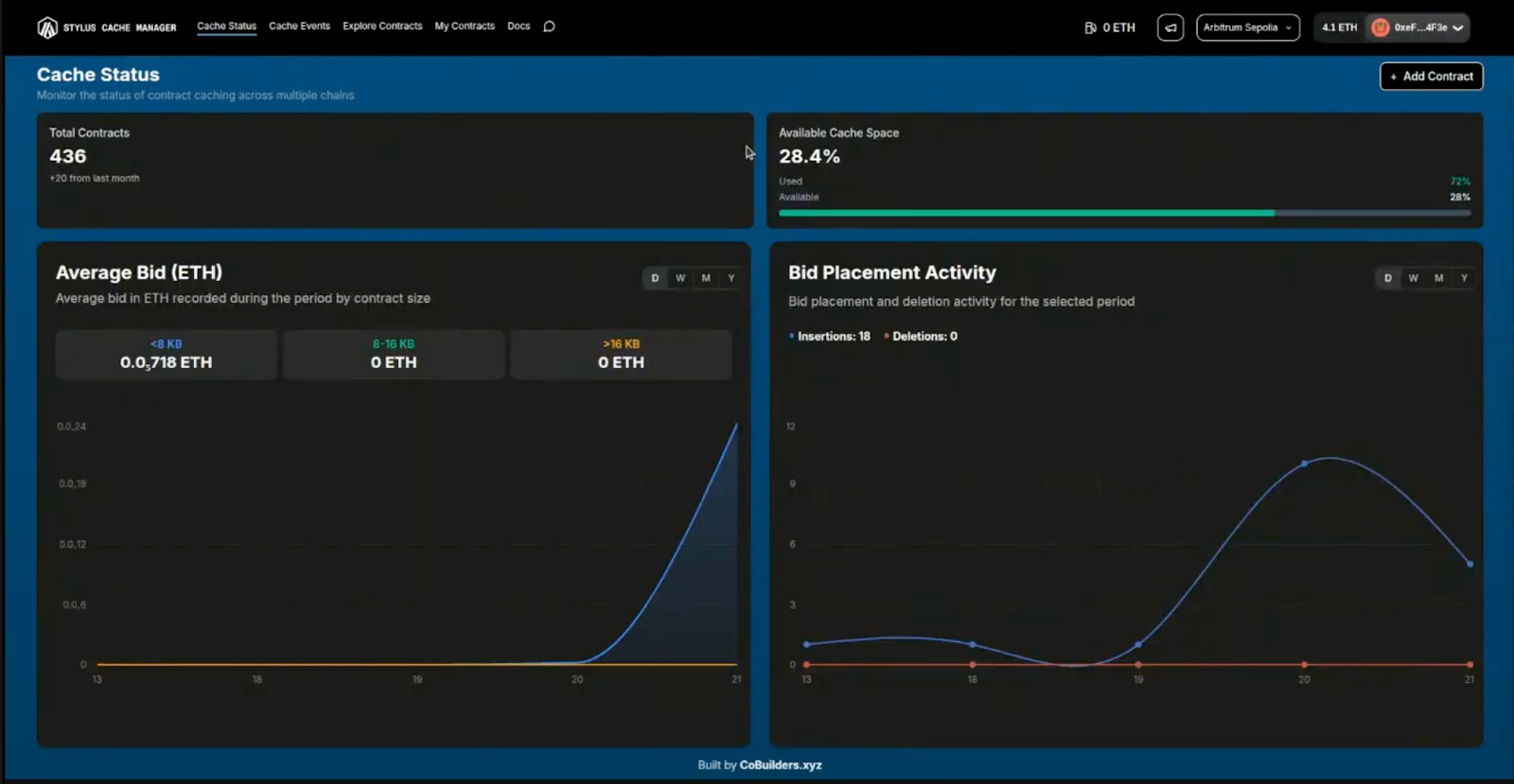
On top of this, they built an automatic caching layer that developers can leverage to automate this work.
What is the main result for developers?
It gives them access to high-performing cache slots to execute contracts.
In practice:
Contracts load faster (instantly)
Cheaper execution (especially for repetitive tasks)
Consistent performance (speed and costs)
Interested to learn more?
Read the full article on them.
Food For Thought and Next Steps
That’s it for this Arbitrum Corner! We are looking forward to Stylus Demo Day 2 and seeing more of the applications developed. We hope this provides a clearer idea of the advantages Stylus offers.
Coupled with a strong business development strategy, language compatibility could enhance Arbitrum’s attractiveness as a development environment.
In this sense, Stylus represents a foundational shift. By supporting multiple programming languages and enabling efficient execution of non-Solidity workloads, it lowers the barrier to building advanced systems on Arbitrum and expands the scope of what is technically possible within L2s.
Schizo’s Solitary Confinement

Well well well, you’re back again I see.
Blessed are the ones who keep trying eh? That’s my current mindset with everything in crypto right now.
It’s easy to dive in with the masses and say that I’m giving up on crypto when that’s actually as far as it can be from the truth. The truth is that I’m waiting for something interesting to occur.
So while I’m waiting for this interesting something, I choose to remain curious.
This is a trait that I think a lot of people have given up on. They think they only need to excel at one thing and not branch out to other things. That is a very limiting mindset.
Now, don’t get that confused with sticking with stuff that isn’t in your bag. What I mean by that is if you’re uncomfortable with trading memes or searching for yield, don’t continue on those paths.
It’s actually a superpower to identify where you’re weak and can improve, and differentiating that from when you just outright suck at something.
While this may seem like a generic lifepost, this very much applies to crypto!
Step outside of your comfort zone and research new projects and sectors that you may have previously ignored. Look into projects that are generating revenue, look into projects at the intersection of science/robots and crypto, and most importantly, don’t get complacent.
This is a world that is getting ever increasingly online, and there’s no doubt in my mind that crypto is going to be a huge part of that. If you’re not well-versed in as many different aspects of it as possible, you’ll get left behind.
It’s easy to just take it easy during market downturns and just go, “eh there’s always next time”. But those who are willing to do a bit more dirty work and find those gems early, will succeed where others fail.
It pays to be curious, it pays to be at the cutting edge of technology, and there’s no reason to give up on that dream now, no matter how much crypto has matured.
I’ll see you in the research trenches.
Schizo out!
In The Know: CT Highlight
In lieu of our usual News and Headlines segment, I decided to do something a little different for In The Know this week.
I wanted to highlight 2 great articles from rektdiomedes and Evanss6, and encourage you all to read them.
Rektdiomedes - The Future of Work
Rekt is one of the best accounts on X and never fails to elicit an emotional reaction from me when I read his work. This piece is about the world we’re leaving behind and what work will look like in the future.
The world that we live in now will likely be drastically different than the one 10 years from now, and this article does a great job of discussing what worked previously and what will work down the road.
Give it a read!

Evanss6 - Generation Moonshot and the Age of Rolling Bubbles
Evanss6 wrote this great article that I think a lot of CT needs to read. He paints the picture of how crypto used to be a vehicle for wealth generation due to its volatile nature. Participants were rewarded handsomely for being early adopters.
But that has changed in recent times, as crypto has matured and grown up.
Now, we’re having to compete with a stock market that trades more on narratives than ever before (similar to how crypto has done) and coins are falling.
Evanss6 believes in a return to fundamentals (as do I) and says that the onus is now on altcoins to be profitable enterprises that can draw the attention of any stock market enjoyooor.
For the full read, check it out here:

What To Watch This Week
Here are the biggest things to be aware of this week:
The first FOMC meeting of 2026 will take place on Jan 28-29 as the committee comes together to discuss interest rates and set the tone for the beginning of the year. FOMC typically brings a lot of volatility with it so be prepared for price swings.
On Jan 29, MegaETH’s stress test concludes, bringing with it the beginning of mainnet. This will bring with it new protocols, different sources of yield, and more opportunities, so make sure to pay attention. If you want to see some of the teams that you should be watching, check this out:


Citrea just launched their mainnet today, becoming Bitcoin’s first zK rollup and application layer.


That’s it for another edition of the Chronicle! Every week brings new opportunities, so don’t fret!
We’re all gonna make it eventually!
Don’t forget to join our Telegram channel for the latest updates from Castle and all our research: Link here

In our newsletter, we may discuss projects or tokens in which we hold positions. While we aim to provide informative content, our views are not financial advice. Please conduct your research and consult professionals before making investment decisions. Crypto markets are volatile, and past performance doesn't guarantee future results. Invest responsibly, and be aware of the risks. Your capital is at risk, and we do not accept liability for any losses.