


Welcome to Edition 142 of The Castle Chronicle!
Now that everyone is sufficiently exhausted from their convention hopping, you can take a nice, long break, digesting this week’s issue! Lock in ladies and gentlemen, it’s time for some good reads.
Gm all, Here’s what we have for you today:
🔍 Market Watch - Analysis Post-Crash
🏘️ Founder Corner - The Neighborhood
💙🧡 Arb Corner - Yaps, Commodities, and RWAs
🤖Almanak - The Agentic Wars
🌍THEY WILL INTEGRATE THEM ALL (Hyperliquid)
📖 Recommended Reads - Top reads from the best researchers on CT

🔍 Market Watch
Gm frens! It’s been a rather rough week with the black swan event.
Price Action
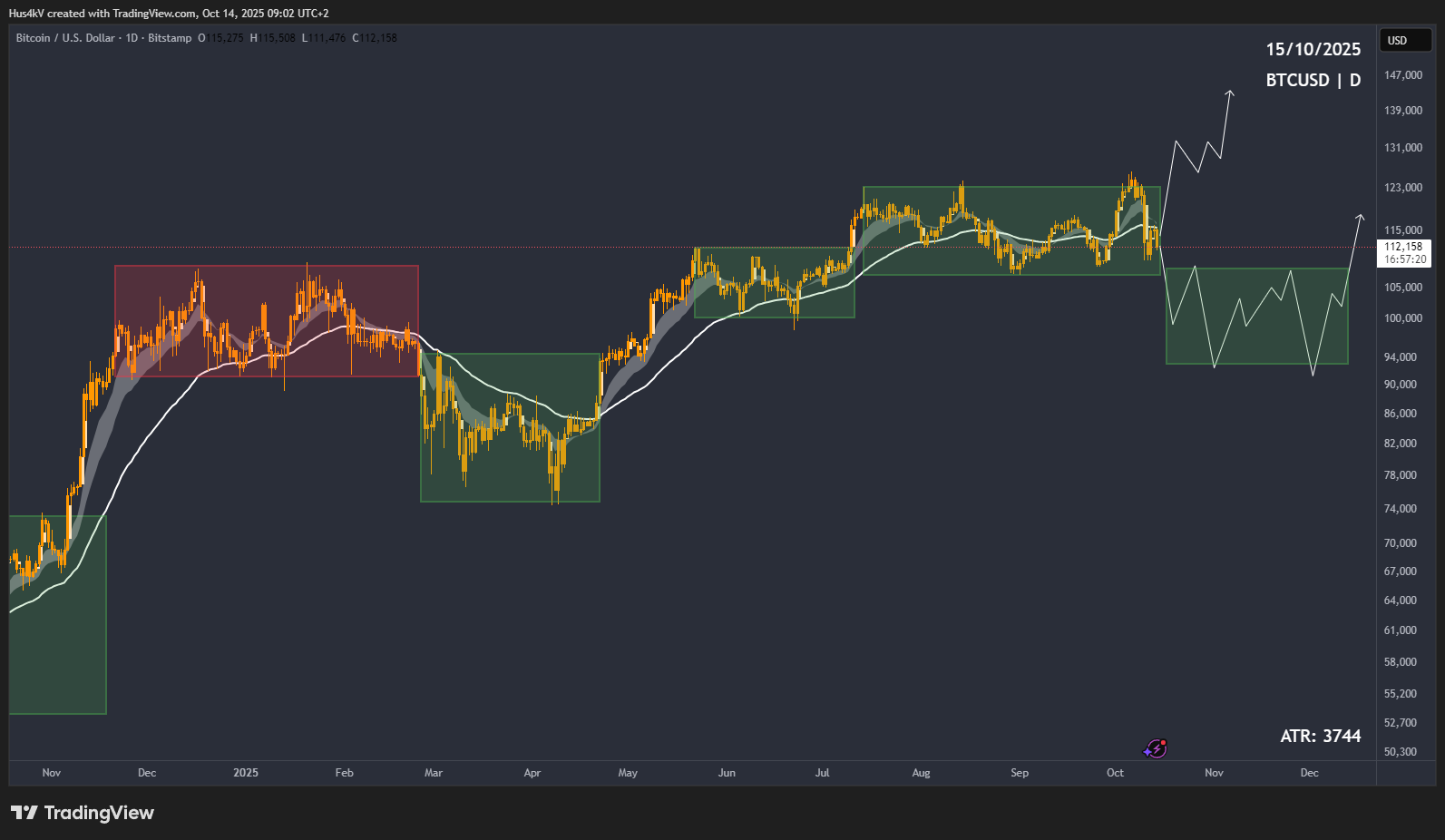
For a while, it looked like BTC was breaking out of its range, but the moment it peekaboo’d above it got instantly rejected hard. That’s often a sign of distribution.
Technically, nothing much has changed, though. We’re just back in the range, and we’re waiting for directional cues. My expectation here is either for price to break out again and continue to a new ATH or to break down, form an accumulation, and continue higher again.
Either way, there’s currently nothing bearish about this.
Top Performers
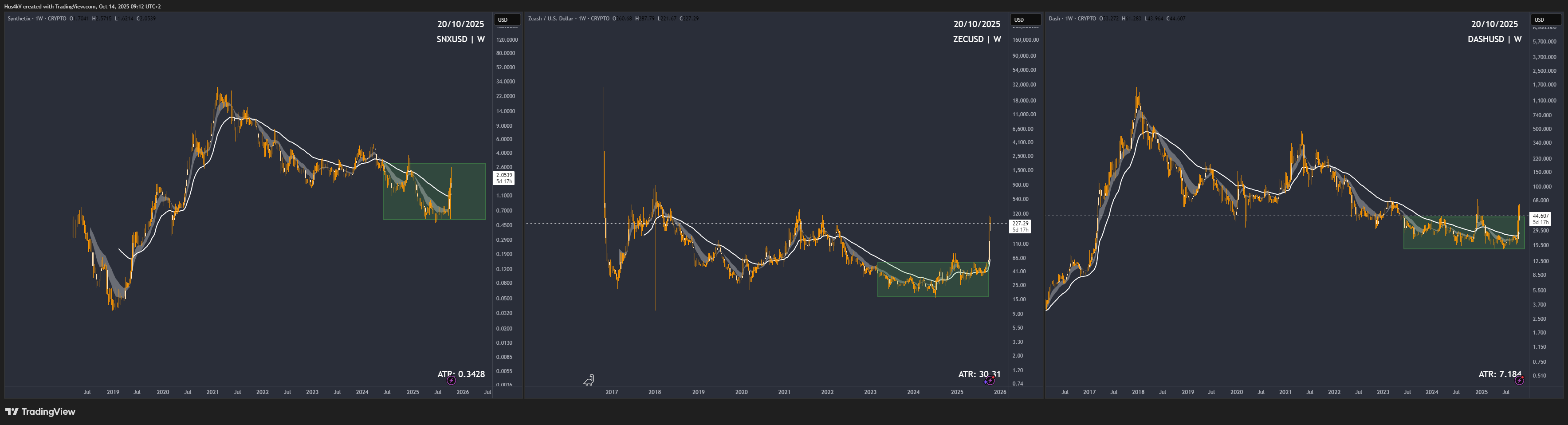
This 7d % TOP 5 is quite an OG one. Even during these uncertain times, some coins just don’t give a single F. SNX pumped an impressive +68%, ZEC continues to earn its spot at the top with a +56% gain, and DASH gained +34%. After that, the gains fall off significantly, and anything below the TOP 10 is negative.

When it comes to cryptos, I like to pay attention to the weekly chart as my context. Most of the time, I like to see at least a strong move out of a stage1 (consolidating market), or ideally a trending market. Looking at our 3 biggest winners this week, I really only like ZEC.
ZEC has a clearly defined accumulation range and a STRONG move out of it - I’m happy to follow such a market. Compare that to the other two - even though they have a strong weekly candle, they are still at the bottom of a pullback. Much more needs to happen for me to get interested in SNX or DASH.
Narrative Performance
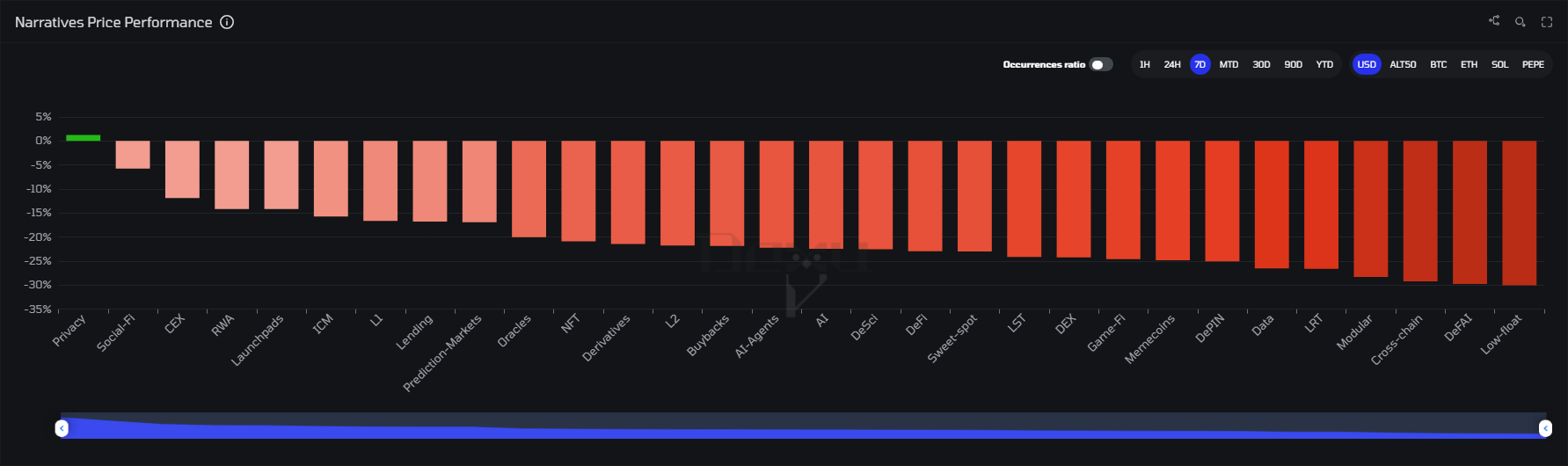
Given what happened, it should come as no surprise that we see a huge red wave across the entire market. Pretty much every sector is in red. Privacy has shown the most resilience, mostly thanks to RAIL and ZEC. The rest lost up to -30%. Even though that’s not a nice scene to look at, the fact that Privacy is showing this much strength is a thing to note and keep in mind going forward.
Risk & Position Management
First, a little disclaimer: I want to share a few ideas from the perspective of a TRADER. By no means am I claiming that this is the holy grail of doing things. There are an infinite number of ways how traders can manage their risk. I just want to present a few ideas that have proven very helpful to me over the span of my career.
Many traders got burned during this black swan event. It sucks, and I feel for you. BUT as traders/investors, we take 100% responsibility for our decisions, and we have to be prepared for events like this. Especially during euphoric bullish times it’s easy to have our “eyes on the price” and forget that our main goal should always be capital preservation.
So with that in mind, I want to present a few core ideas that might help you be better prepared in case something similar happens again.
When BTC takes a dump, it sinks everything else with it
At the time of writing this, BTC represents close to 60% of the entire crypto market. That’s an insane number. BTC pretty much IS the crypto market, and whatever it does, the rest follows.
I’m sure you have noticed this before. You’re watching multiple different altcoins, each with its own unique setup, but then BTC decides to dump, and everything else dumps with it. (vice versa for BTC pump). This is important to be aware of because it has HUGE implications on how we should risk, especially when it comes to holding multiple positions at the same time.
Multiple altcoin positions mean multiple risks on the same “idea” - a BTC beta play
When acquiring altcoin positions, the idea behind it should almost always be relative outperformance to BTC. And while each altcoin will have its own unique setup (in terms of chart, fundamentals, hype, you name it…), they are all tied to BTC. So essentially, they are leveraged BTC beta plays.
If we open 2 altcoin positions, each with 1R risk, we have 2R risk on the table. And if BTC shits the bed, we lose 2R on the same move. That should NEVER be the case.
Reducing risk by moving the stop to BE (break even)
I’m sure you have heard about the break-even rule before. It’s a risk management technique that allows us to take off risk on our trade, and if price comes back to our entry level, we will get tapped out of the trade for a BE (break even).
There are many ways to reduce risk utilizing the break-even rule. I’ll name a few:
Price moves strongly away from your entry
Price prints a fractal structure above your entry
Price moves xR (a multiple of your risk) away from your entry
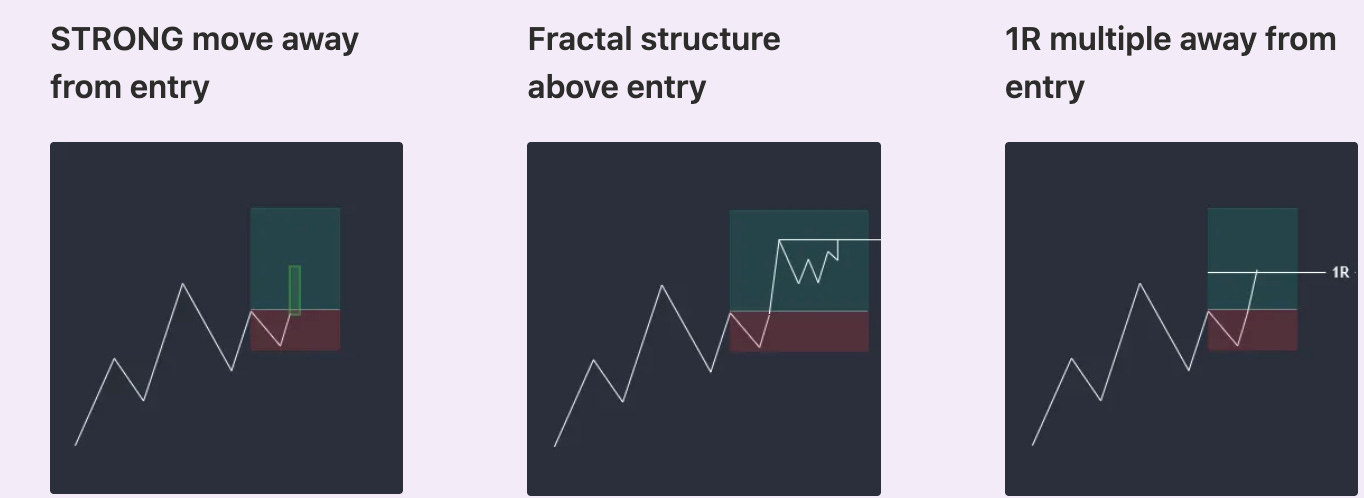
There is no right or wrong way to do it. Each has its pros and cons. But they all serve the same purpose - taking off risk on your trade.
Adding on more positions utilizing the BE rule
So by now we know that:
Altcoins are the same type of risk - a leveraged BTC beta play
We should never have more than 1R on the same type of risk
We can reduce our risk by utilizing a BE rule
A simple way to add another position is to first reduce risk on the 1st one. Once our first trade has met the BE rules and no longer carries any risk, we can comfortably add another position. Now we have 2 positions running on the same type of risk, but only 1R at stake. And you guessed it, once the 2nd position meets BE rules, we can add a 3rd, 4th, etc…
But I wouldn’t go too overboard with the number of positions. We most likely won’t be able to add many more anyway due to a lack of margin or capital. If we were able to, though, there is still a risk of a black swan event and a liquidation cascade just like we saw last week. And when that happens, there is no guarantee that we will get filled at the desired prices. Our BEs might end up being -1’s, and we don’t want to take too many of those.
My personal rule here is to never have more than 3 positions of the same type of risk running at the same time. This way, at worst, I take a -3R on an extremely rare occasion, and I’m okay with that.
Operating out of a stable stack
Last thing I want to mention is the pros and cons of operating out of a stable stack. I know many people who operate out of a BTC or ETH stack + acquire altcoins on top of that. This is a double-edged sword because it exposes us to the overall crypto market much more. It’s a very volatile strategy, and for my taste, it’s too risky.
I prefer to operate out of a stable stack. My portfolio is mostly in USDC/USDT, and I look for good opportunities in the market to slowly and consistently grow my equity. This is also why I haven’t felt any downside during this catastrophic event, as I was completely “side-lined”.
The cons compared to operating from, say, an ETH stack are that during a crypto bull run, we might see slower overall gains. It’s nice to be fully exposed to crypto when it’s running up, but it certainly sucks when it starts bleeding out.
I sincerely hope you’ll find some of these ideas helpful and that they will aid you in future risk-taking. Getting burned sucks, but what’s done is done. The best thing we can do is to learn from our mistakes, make adjustments, and continue on our journey. And I wish your journey to be a successful one!
Remember to risk responsibly, and I’ll see y’all next time!
Courtesy of 0x_Vlad - trend-based trader and MentFX student
Not following what I’m talking about? Check out my quick cheatsheet to understand how I approach a chart.
🏘️ Founder Corner: The Neighborhood
After 3 months of promising I would write the Founders’ Corner “next week”, I am now finally writing it on my flight to Singapore.
The week is reserved for meeting friends, builders, and degens (most are all three) at TOKEN2049. I’m always looking forward to these conferences.
The alpha, the people and the cool venues keep my energy high, even if that means I have to do the same pitch 50 times. I define myself by what I do, instead of who I am, but for the sake of clarity, I should still introduce myself.
I’m Dennis, Head of Research at The Indexing Company, but for some, I’m better known as the black and white monkey pfp with the name Ape/rture (@ape_rture). Technically, I am not the Indexing Co. (co)founder, which might make you think that I am writing the wrong article. However, with Indexing Co we’ve been working in the last two years on a data processing network called The Neighborhood, and I am proudly part of the founding team.
For now we are in the business of indexing, which is basically the process of getting data (like transactions, balances) from blockchains into the hands of developers. Your Uniswap trade or shitcoin portfolio dashboard? Got there through the magical process of indexing.
A simple idea, needed by every builder / dApp / analytics platform, but apparently a hard problem to solve at scale. Some challenges include vast amounts of data, an infinite number of chains, constant changes to VMs and contracts, and integrating the data to fit into any backend. To solve these, we are building a product that can fetch any data, from any chain and even expands towards offchain data (like socials, webdata).
This Founder’s Corner is about how I got here, the ups and downs of our project and company, and how we survive by playing long-term or just by grinding it out.
After a few years of trading shitcoins, doing some angel investing and advisory for various (mostly DeFi) projects, I wanted to build a product with a team. I had the urge to create a product I would want to use myself and would bring Web3 forward, while building something bigger than myself. While I had no specific plan, I wanted to see where I could bring value from skills I built pre-crypto, like market research and behavioral data analysis.
All ideas I had required onchain data, data infrastructure and data engineering. Sadly, I encountered problems with data products that were either expensive, difficult to use, unusable without a full data engineering team, or simply provided incomplete data. In my research, I met Brock (co-founder of Indexing Co). To get a meeting with him at Devconnect Istanbul, I pretended to be an investor! He almost cancelled on me since he called my bluff, but we still had the meeting.
During the meeting, it became clear that either:
He was bluffing back at me and said this problem was easily solved with his solution
He actually had built a great solution.
I decided to find out and asked if we could work together. Brock turned into my personal data engineer, but two years later, he turned me into a data engineer, data solution architect and Chief Meme Officer. I dropped the ball on creating new memes lately, but he solved my problem with our tech and Indexing Co products.

Now for the challenges. In those two years, we have experienced:
Our revenue going down - 80% within two weeks because customers wound down their products
Fumbling a serious Seed round
Our infrastructure breaking when we woke up hungover after a week of 12-hour days of conference.
Essentially, over the last two years, we have consistently encountered the chicken-and-egg problem in the form of needing more funding to drive product development and achieve exponential growth, but to do so, VCs require more traction and customers.
Getting customers is hard since you are a small team and need top of funnel marketing, while also needing to improve product/infra, but to develop and maintain, you need more money. You have to do everything, but also have to focus. This circle you have to escape somehow, but you can only keep grinding.
Of course, during this period, things constantly break. Every time you build up a good relationship with a customer or product, something happens:
- Their product winds down, and thus the infra and thus our revenue
- Pipelines run into edge cases, miss logic and go down. We have to rewrite code, teach customers how to catch all events, and rewire infrastructure.
- That perfect new lead just spent 6 months building a solution, while they could have used ours and be ready in a few weeks (timing/marketing problem)
You might now think, why not release a token, do marketing only, raise ridiculous amounts and do product later? That’s not our style, we want to be product-first and only go onchain when it makes sense. The answer is probably somewhere in between, we have morals, or we just like pain and the grind. We are building a SaaS on a blockchain, a DePin data network that not only provides a good solution for Web3 builders but can also handle the rest of the world’s data. Now we are rolling out plans to go onchain with a network, with revenue flowing back to the network and an actual, useful product to push a flywheel into effect.
How did/do we break out of that circle? We fry the egg and chicken at the same time. It all comes down to grinding and betting on our team, our network and connecting with people who see our vision. Our team and network need to be patient, give some slack when something fails, but most importantly, we want to be there to help them out. We help each other out with our product, ego-less connecting to others in our network, testing our friends’ products and providing each other exposure to show the rest of the world The Neighborhood we are building.
We are actually now past those two years and have developed our product greatly, listened to the builders and are seeing growth. We are at the start of the curve, which curls up to go exponential. We are betting on our own social and data network. We are not there, but we are going way further than we originally thought.
From the bottom of my heart: thank you, customers, for placing your trust in us and recognising the improvements we bring to onchain data infrastructure and indexing. Your input improved our product, workflows and documentation.
To our past leads or customers: sorry we didn’t have some features yet, had to restart pipelines, or sorry your product didn’t work out.
Most importantly, thank you all since every single one of these use cases drives us to make our product better, and we welcome every builder (back) to see the data infra we are building now. We welcome everybody to The Neighborhood, the next chapter in our company and in Web3 data infra.
A final thank you to all the investors and angels who supported us with funding, advice, intros and encouragement. You know who you are. If you are interested in diving deeper into our company, whether you are VC, angels, or builder, we’re always looking for aligned partners!
💙🧡 Arb Corner: Yaps, Commodities, and RWAs
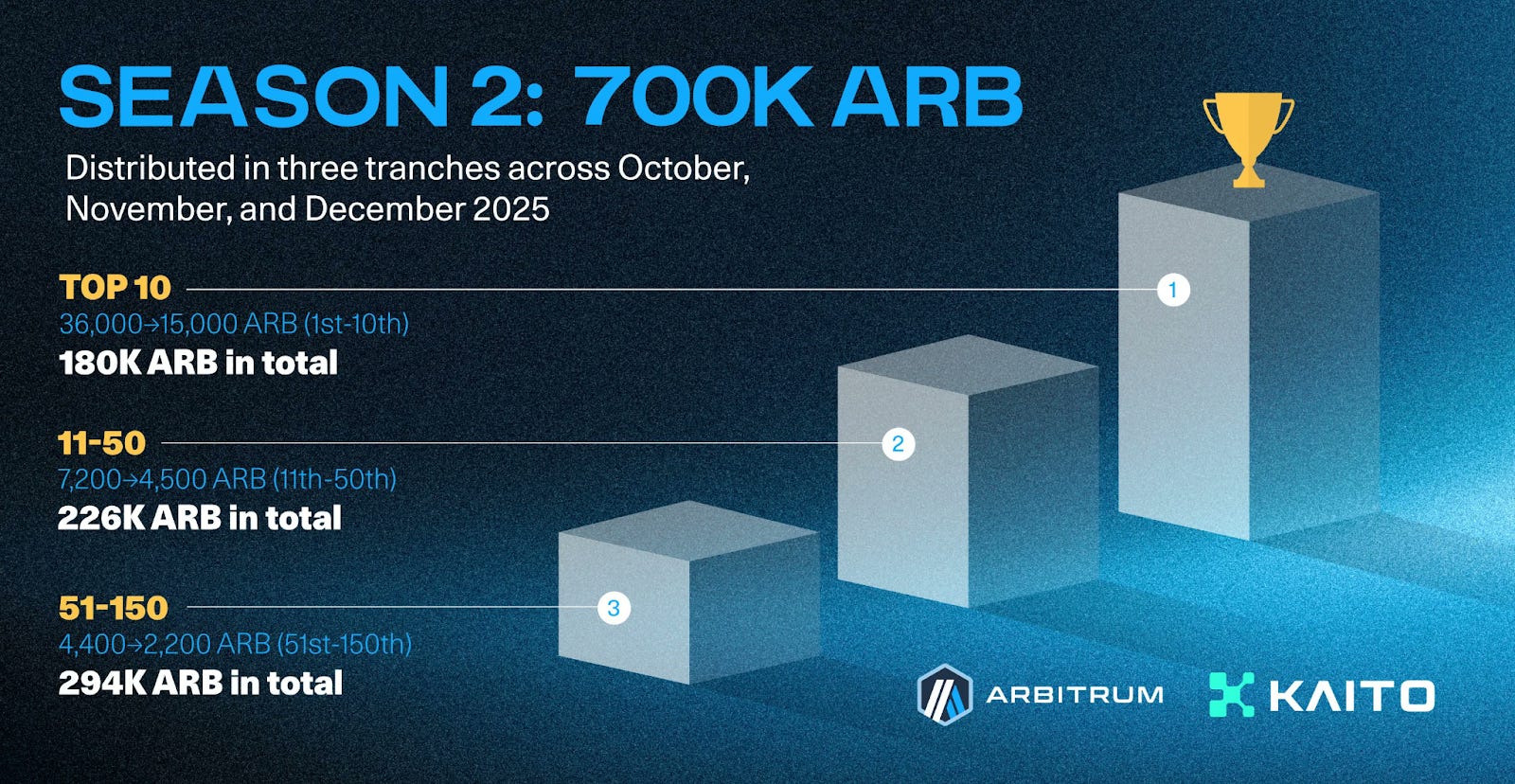
First and foremost, we want to highlight the opportunity to join the Arbitrum Yapping campaign, with over 700k ARB distributed over 3 months.
You guys are lucky we cannot get Yaps, or otherwise you’d be cooked!
So.. all that’s left for us to do is spill you the best alpha on the ecosystem so you can farm those yaps yourself!
We start with the overachievers.
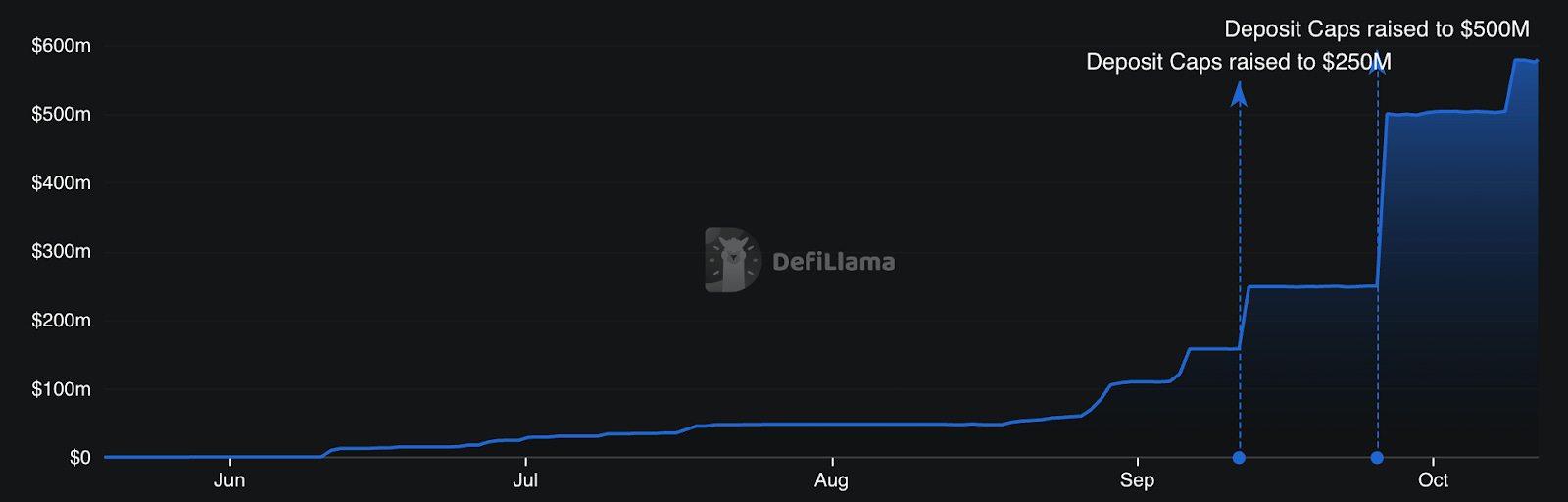
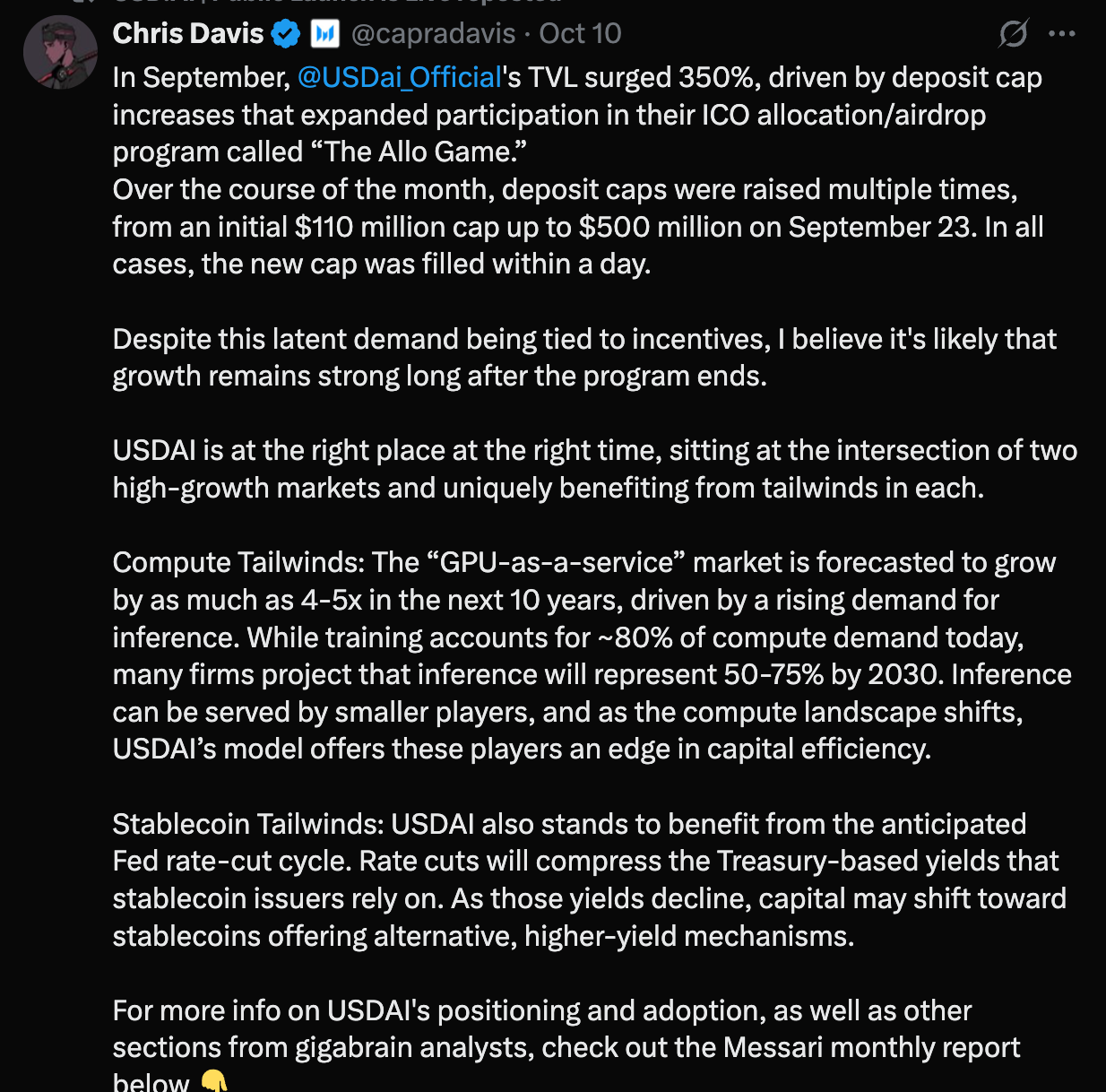
USDai continues to fill its caps every time it goes live, reaching over $580 million in TVL.
Chris from Messari wrote a great explanation on the importance of USDai and the future projected growth of its market:
USDai just signed “the largest onchain-based credit facility ever created for real-world compute”, a $500m “non-recourse financing facility to fund GPU-backed AI infrastructure” for QumulusAI.
The significance of this cannot be understated: through USDai companies are able to turn their GPU into collateral and have access to capital to finance up to 70% loan-to-value (LTV).
With demand for computing power set to inevitably grow, this can only mean an expanding market for GPUs as an asset, and USDai already has the infrastructure to power it.
You know what else is hot?
Silver has reached an ATH at over $50, with Gold also retesting its ATH.
Among those setting to benefit from this is Ostium, which offers multiple commodities and other RWAs onchain.
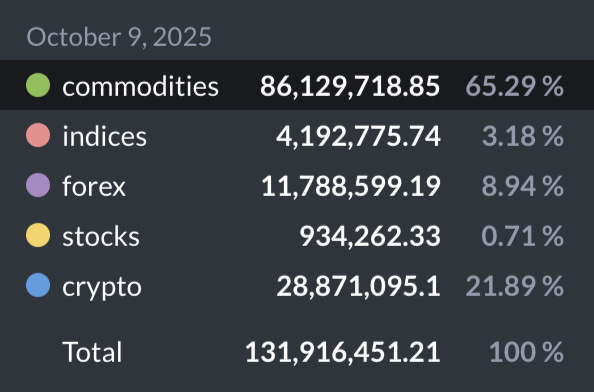
With commodities prices skyrocketing, and investors looking for differentiated exposure for their portfolio across forex, indices, commodities and more, Ostium is in a great position with a wide offer of assets, including being the only copper market onchain.
While part of the last spike in volumes is due to the significant liquidation event that occurred on October 11th, Ostium volumes have shown solid growth and have consistently exceeded $130m over the past week.
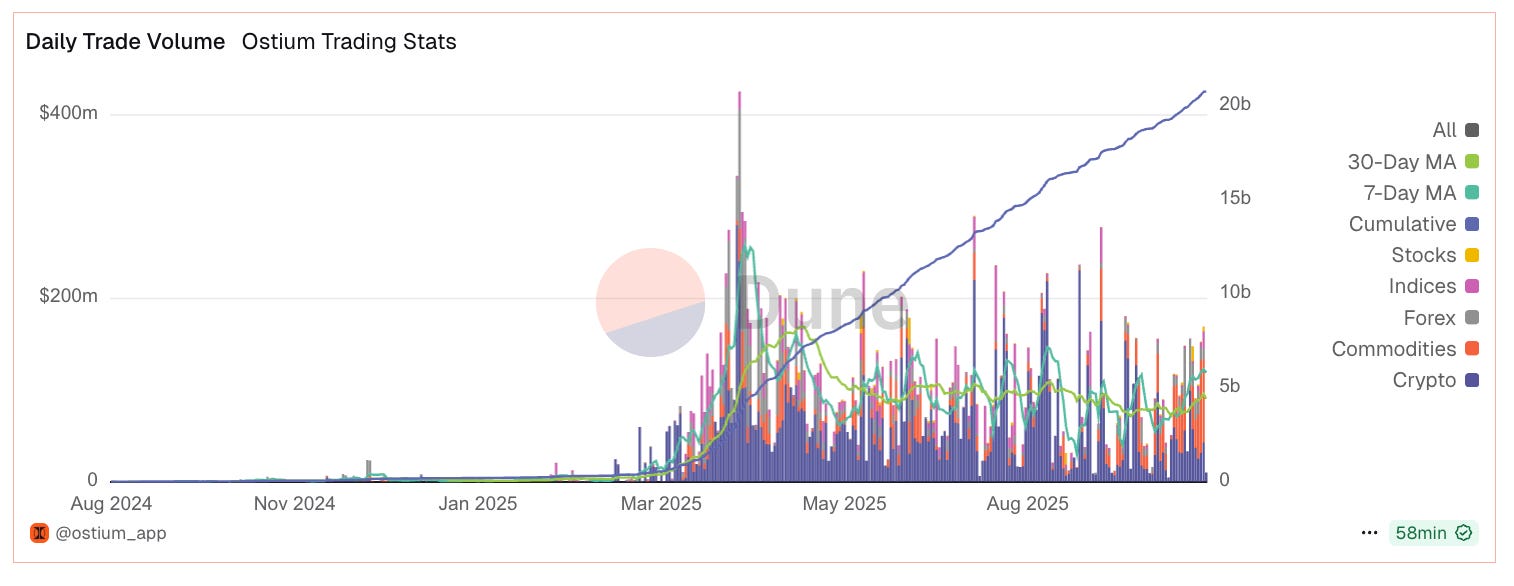
While commodities and RWAs can be considered a niche for onchain traders, it’s not far-fetched to expect more and more professional traders moving onchain in the upcoming years.
It’s great to see two strong players like Ostium and USDai championing new verticals on Arbitrum.
Nonetheless, a lot more is happening, notwithstanding the recent market crash.
Here are some additional projects which are worth diving deeper into:
Stableflow: focusing on scaling stablecoin bridging.
Alloc8: launching “intelligent liquidity”, with capital automatically rebalancing to stay in the areas maximising earnings. This simplifies the process of yield optimisation, allowing users to avoid manual farming.
Ostrich, where you can trade stocks onchain, has collected over $1 million in fees; the first million is always the hardest, they say.
Last but not least, quick shoutout to Arbitrum Orbits.
It’s actually mindblowing to think that they now secure over $19.3b in TVS across 47 live chains.
Almost half of the TVS are stablecoins.
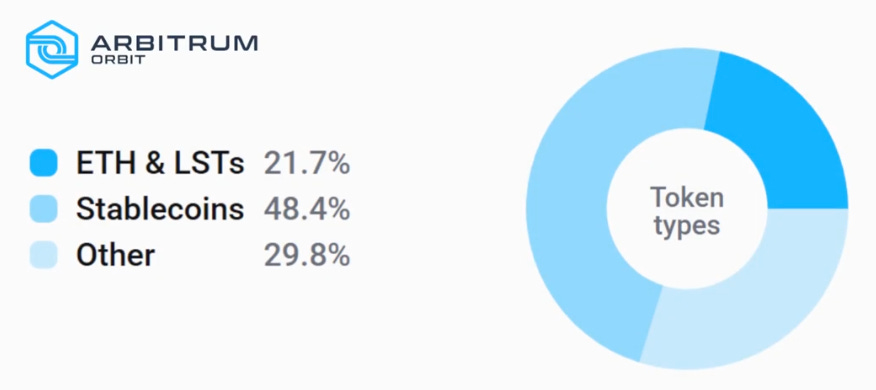
Shoutout to the primary contributors, such as:
Plume Network
Ape Chain
SX Network
Corn
Gravity
Edu Chain
Rari Chain
XAI Games
Superposition
and more.
That’s all for this week the Arbitrum ecosystem is heating up once again, we’ll continue monitoring both newly launched and established protocols in their quest for supremacy on what were once underrepresented verticals and are now booming areas.
🤖Almanak and The Agentic Wars
It’s another week where we dive into Almanak!
During the last update, we brought you the end of the first season of Almanak points.
What else is in store, and what other opportunities do users have to participate?
First things first, quick TVL update!
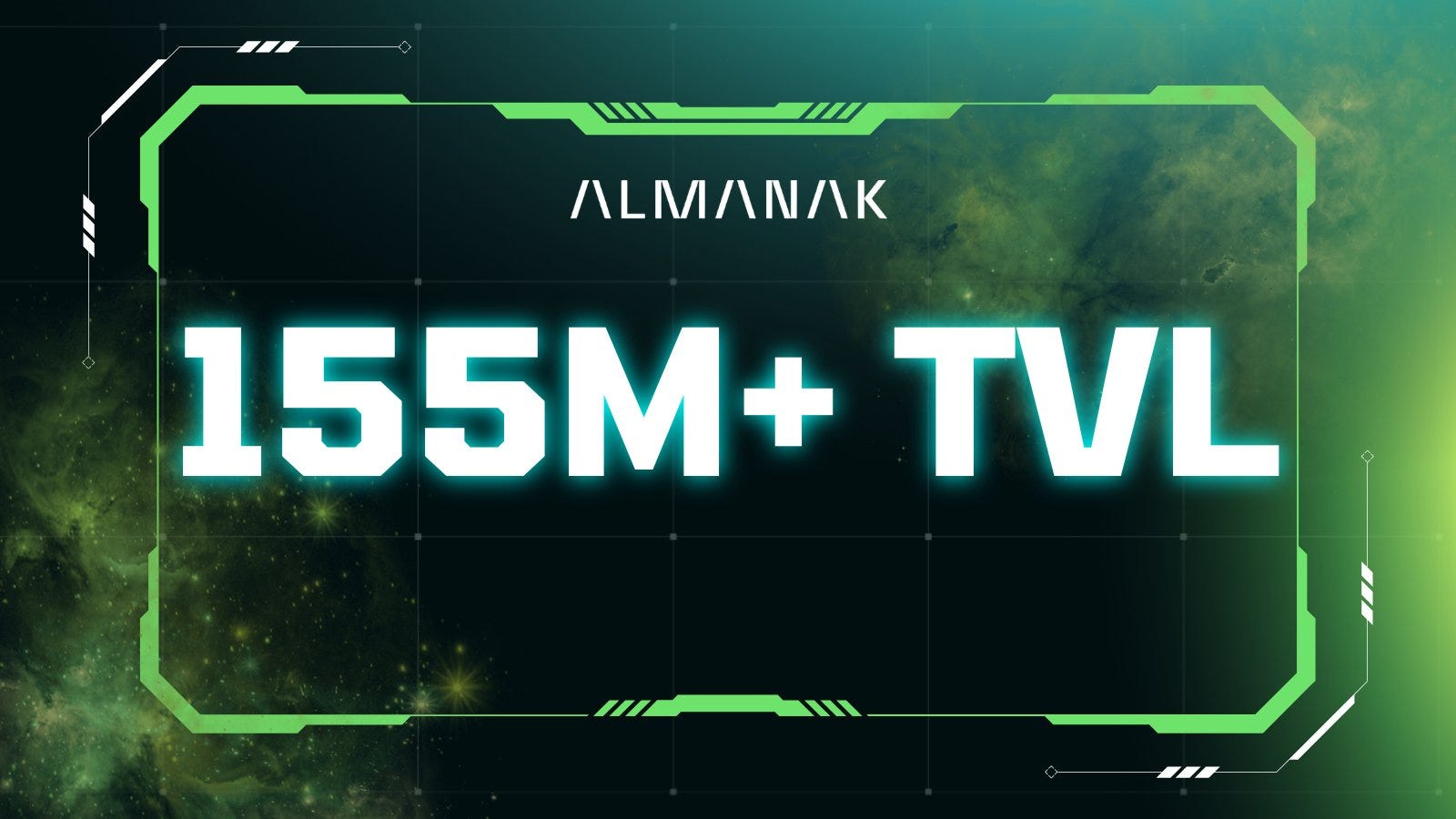
Almanak has crossed over $150m in TVL, honestly breaking down targets much faster than we expected.
For this week in particular, we wouldn’t want you to miss an interesting insight teased by the Almanak account.
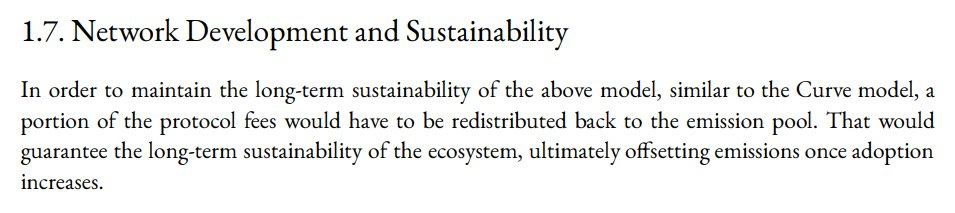
This is one of our personal favourite network dynamics from Almanak, and funnily enough, one of the ones that are discussed the least.
This is for obvious reasons: dynamics like this one can only thrive in an established ecosystem. Now that Almanak has laid out the infrastructure, we can finally dive deeper into its game theory and incentive alignment.
So what is this tweet about?
In its whitepaper, Almanak makes it clear that it is inspired by the Curve model for its vision of network sustainability and incentive alignment.
Why Curve?
Curve is one of the most famous protocols for its use of ve(3,3) tokens, as well as using emissions to “bribe” network participants and make sure they all work together for the greater good of the protocol.
Almanak gets inspired by this system, but obviously adapts it to its own needs, reason for which this is referred to as the “Almanak Wars” (or Token Wars, or Agentic Wars).
While it’s hard to envision this working now that the network is still in its infancy. In the future, a portion of the fees generated by the Almanak protocol will be sent back to an emission pool.
What can be done with this pool? Well the intern has some ideas..
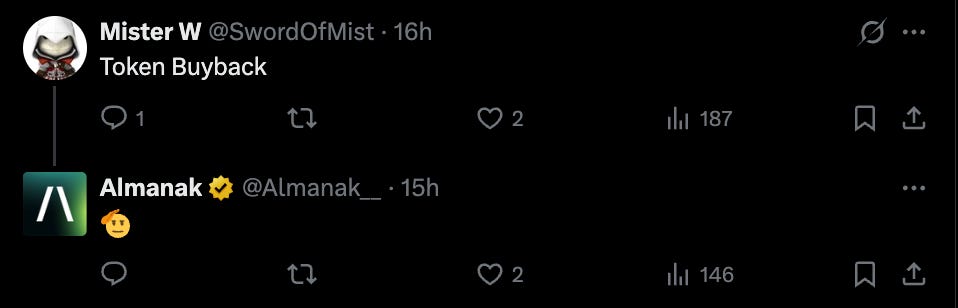
Buybacks are not actually the reason for this, but rather to kick-start a protocol-wide flywheel, where protocols (or vaults) compete to attract a share of emissions in the pool by distributing rewards and incentives. This is possible as Almanak holders (lockers and stakers) will be able to vote on which vaults should receive the most emissions. Therefore, they might be naturally inclined to vote to those redirecting the most rewards (read: bribes, incentives) to them.
Similar to Curve, this creates a whole new market where projects compete to attract emissions, users, and liquidity to their vaults, and in exchange, to Almanak.
Without getting too much into the details, we believe this will be a fundamental piece of the ecosystem. Almanak has already proven to have a strong PMF in revolutionising how DeDFai agents can actually manage funds properly.
From then on, managing to align incentives among ecosystem participants through emissions will be a significant unlock.
For those curious about the main user and protocol benefits from the “Almanak Wars” we invite you to read this very well-made article by Magicianafk, on potential Almanak token valuation and everything you need to know about the protocol.

Kudos to you, sir!
Before we leave you, a small caveat on points
The Almanak point season is not completely over, stage 3 begins on the 23rd of October to 11th of December.
Make sure to stop staking your Curve LP tokens as they dont earn points
Deposit and hold in pools with a multiplier: where’s the biggest Almanak point multiplier you’re wondering? YT-alusd give you a 5X boost.
Holding YT-alUSD also gives you a boost in the @cookiedotfun campaign for cSnaps, but at a ratio of 5 YT-alUSD being treated as 1 alUSD during calculations.
Regarding us, next week we’ll be sharing more with regard to using Almanak as a vibe quant coder.
Stay tuned.
🌍THEY WILL INTEGRATE THEM ALL (Hyperliquid)
The first wallet to integrate Hyperliquid perpetuals directly into its product was Phantom wallet 3 months ago. Available only to its mobile users, this integration really started the trend for different wallet providers to offer perpetual & leverage trading in one click to their users without the need to connect & interact with complicated onchain products.
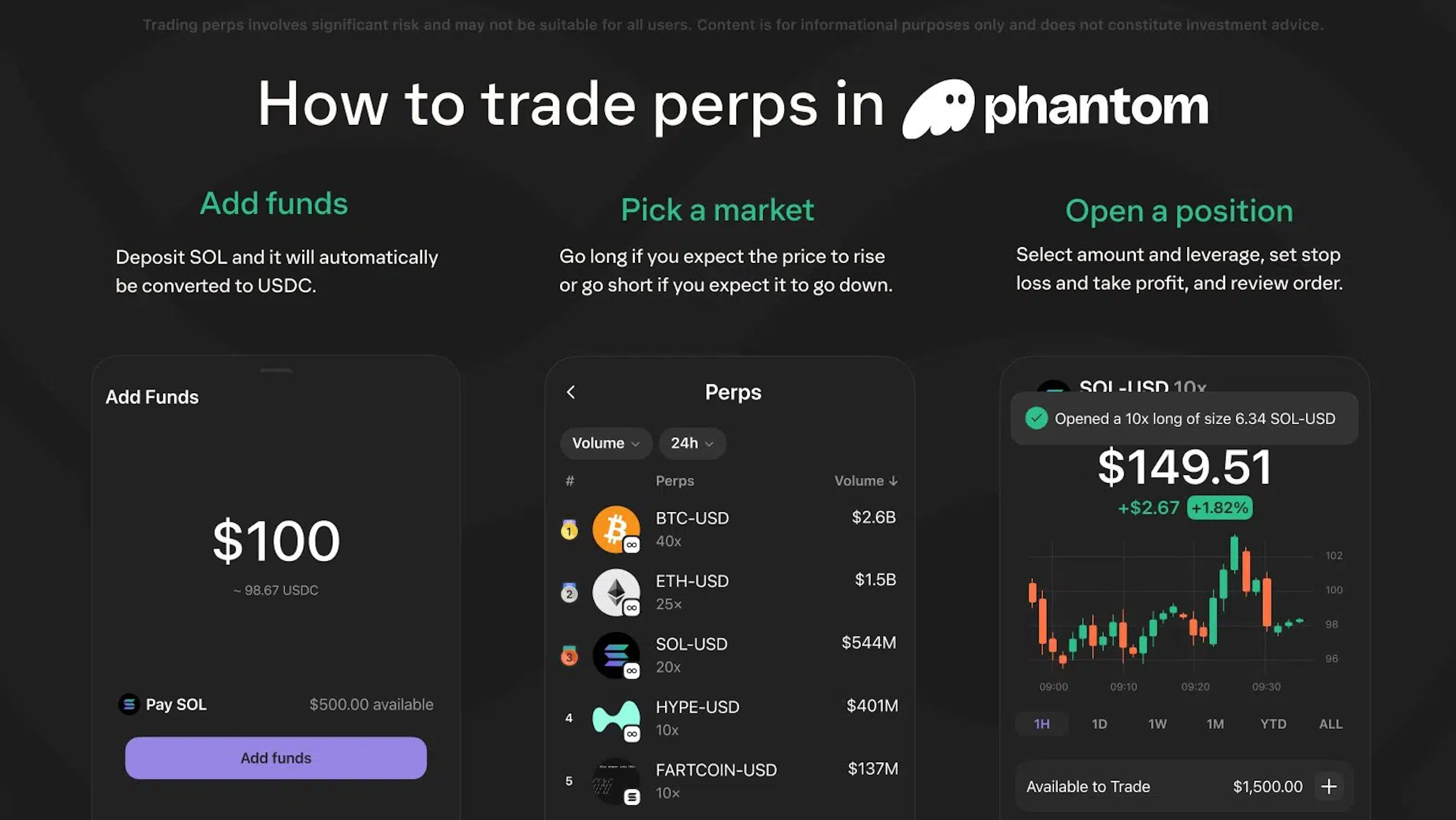
Since then, Phantom wallet made more than 7,5 million USD in fees with a total of 52,981 users leveraging the direct connection between the wallet and the HL orderbook.
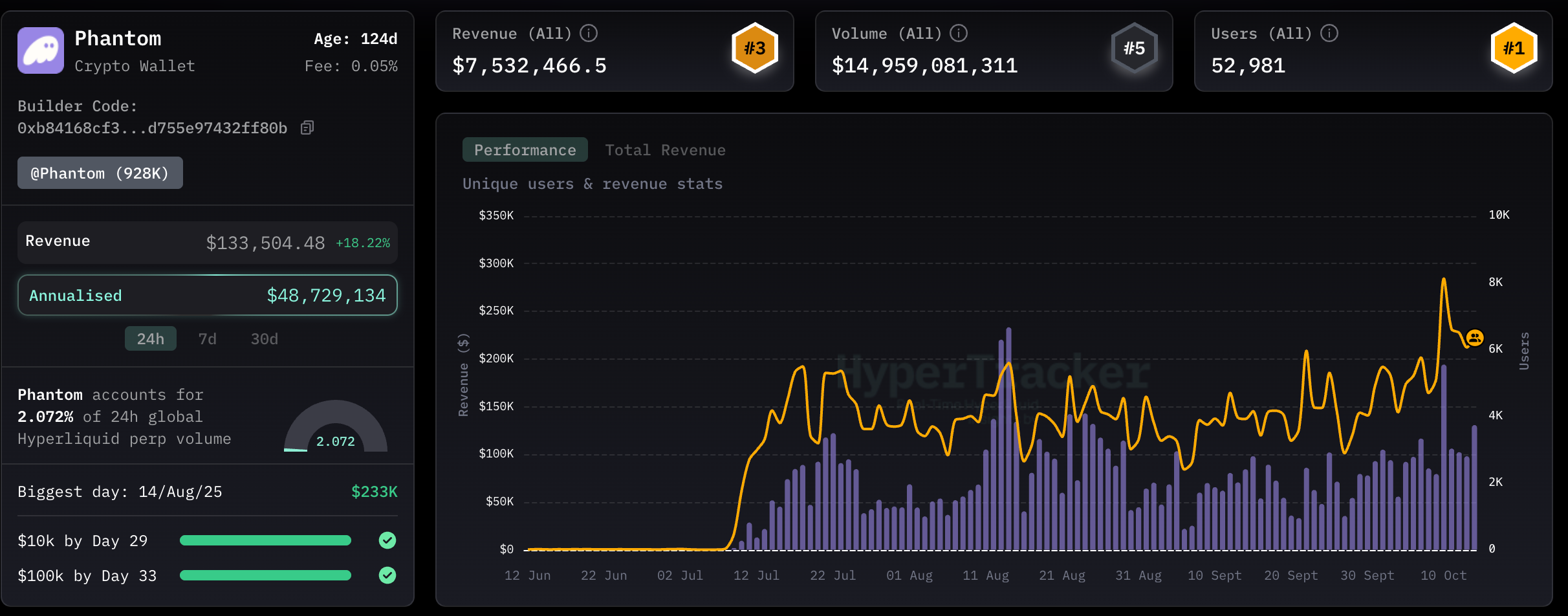
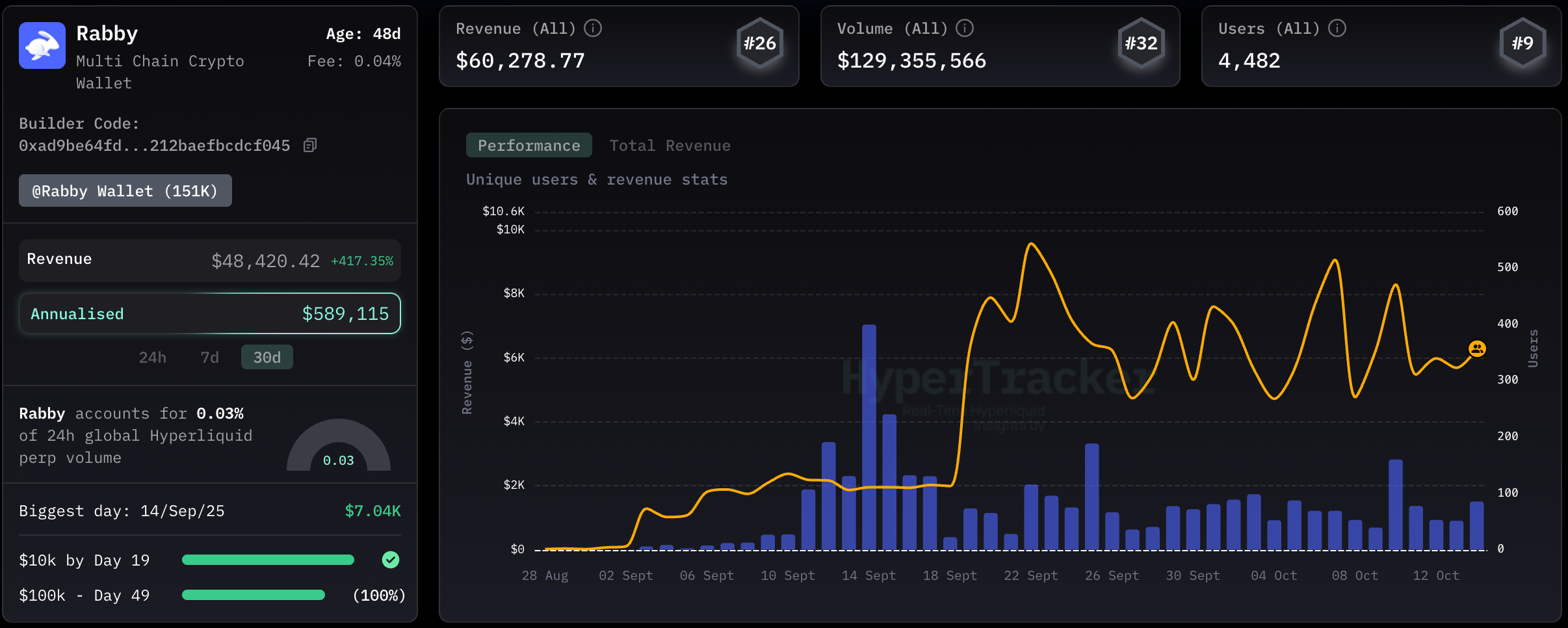
& two months later, it was the turn of (our favourite EVM wallet) Rabby. Enabling their users to interact with perps without any friction, for both mobile and desktop users alike.
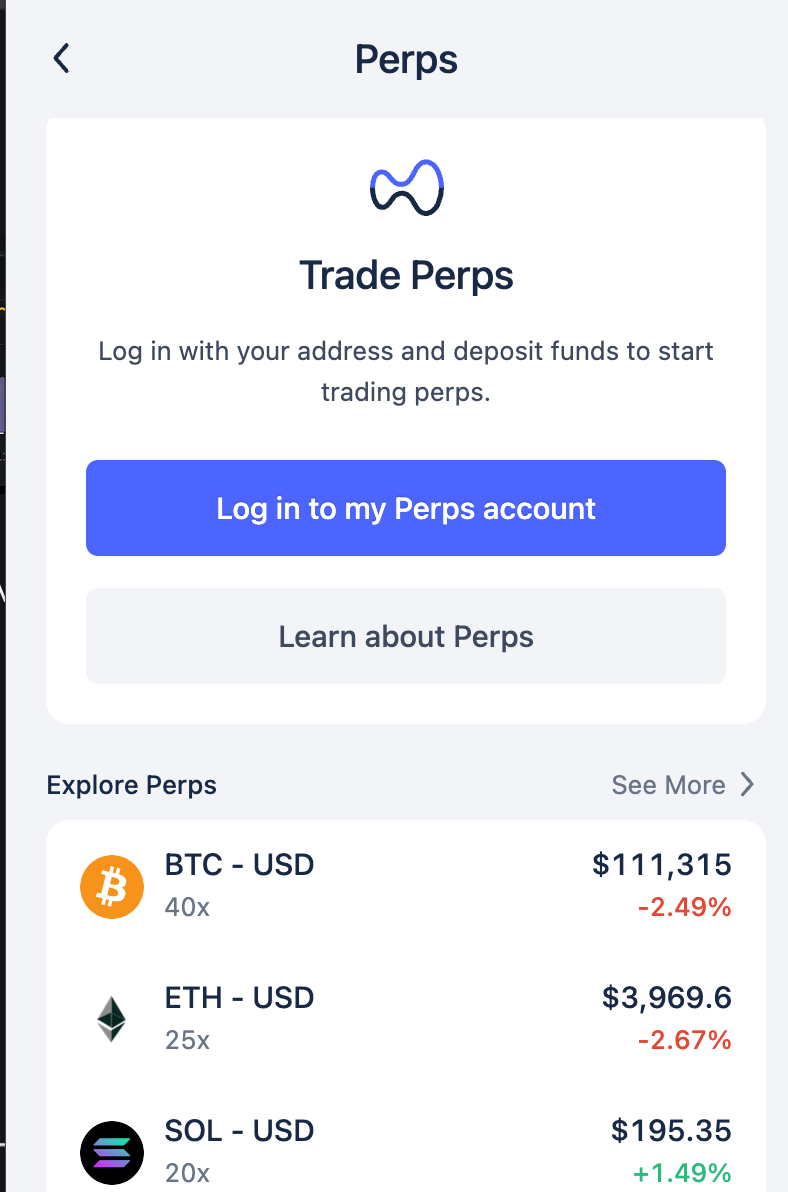
Leveraging the builder code api, Rabby ranked more than 60k USD in fees via over 4480 users doing more than 129 million in perp volume.
A couple of days ago, our (least favourite) but OG wallet provider, MetaMask, decided that they too had to join the dance.
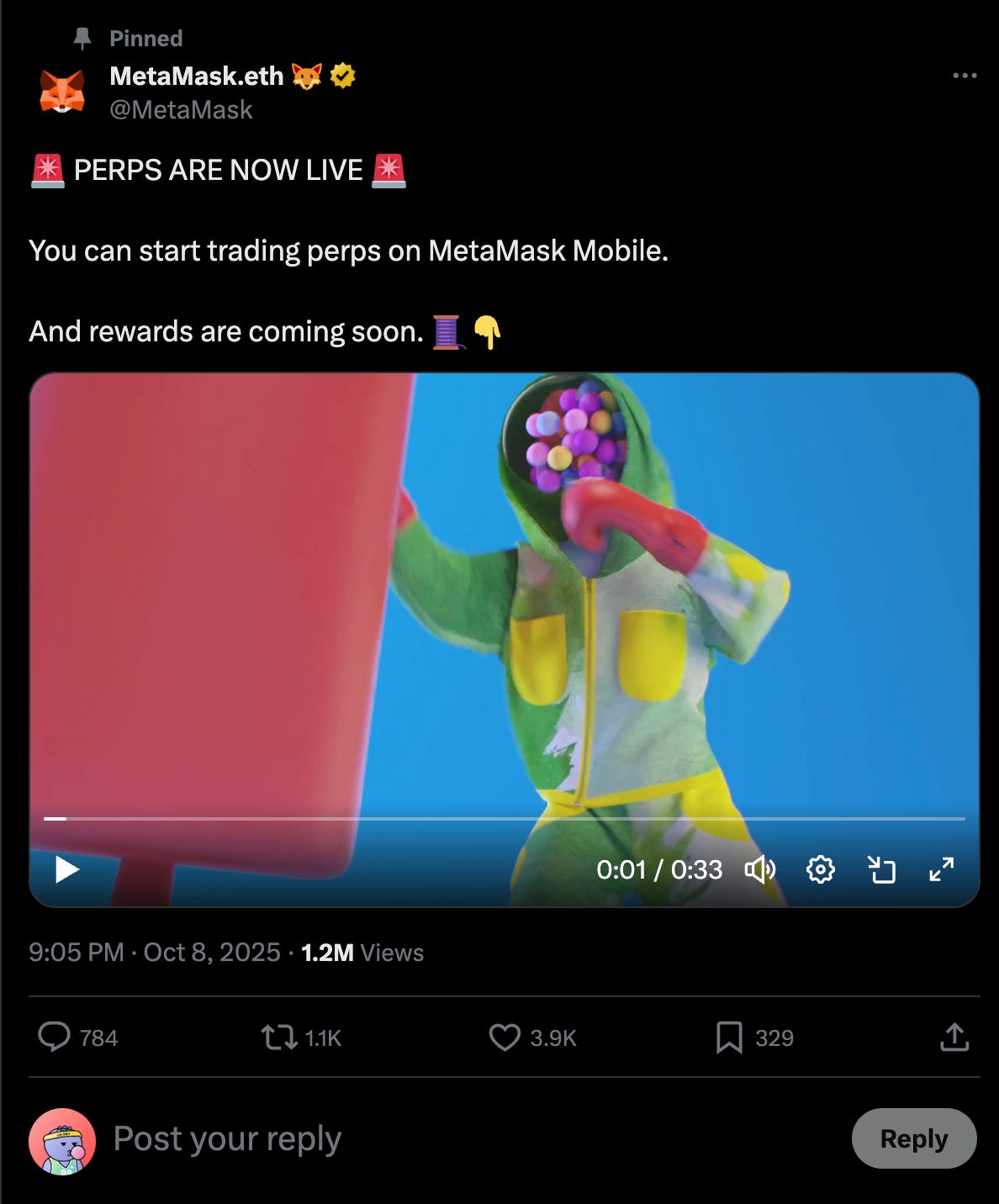
Launched on October 8, so less than 1 week ago, they seem to have been able to leverage their existing user base well. 5433 Metamask users have done 131 million USD volume routed to HL orderbook via buildercode & MM was able to bank 131k USD on this volume.
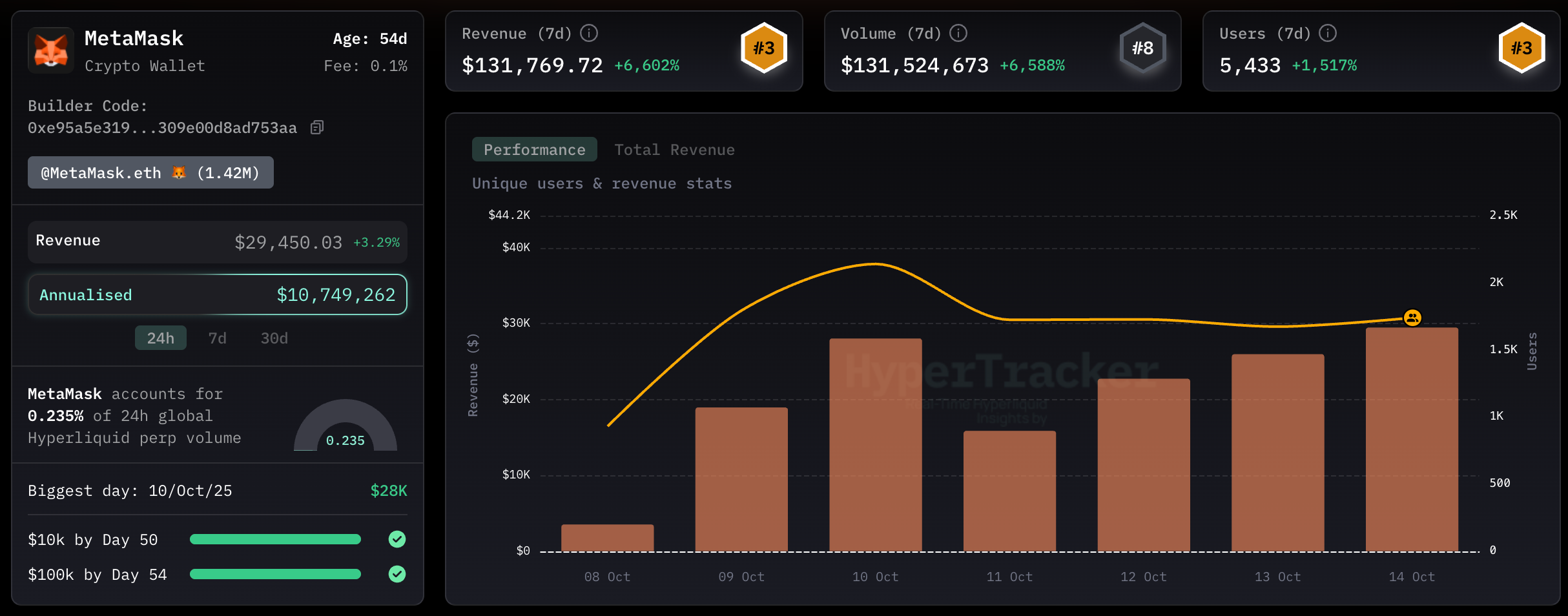
Funny enough, Metamask is obviously the MOST greedy of all wallet providers, charging 2x more (10 BPS) compared to Phantom (5 BPS) or Rabby (4 BPS). It’s just business, you will tell me.
Anyway, in conclusion, I think that more and more wallet provider will look to integrate perpetuals directly into their application giving the possibility to their users to degen trade with leverage safely without going anywhere outside of their frontend. The next being Trust Wallet (CZ wallet provider) looking to integrate Aster directly into their frontend. And we could even see Rainbow wallet looking to integrate HL orderbook into its frontend.
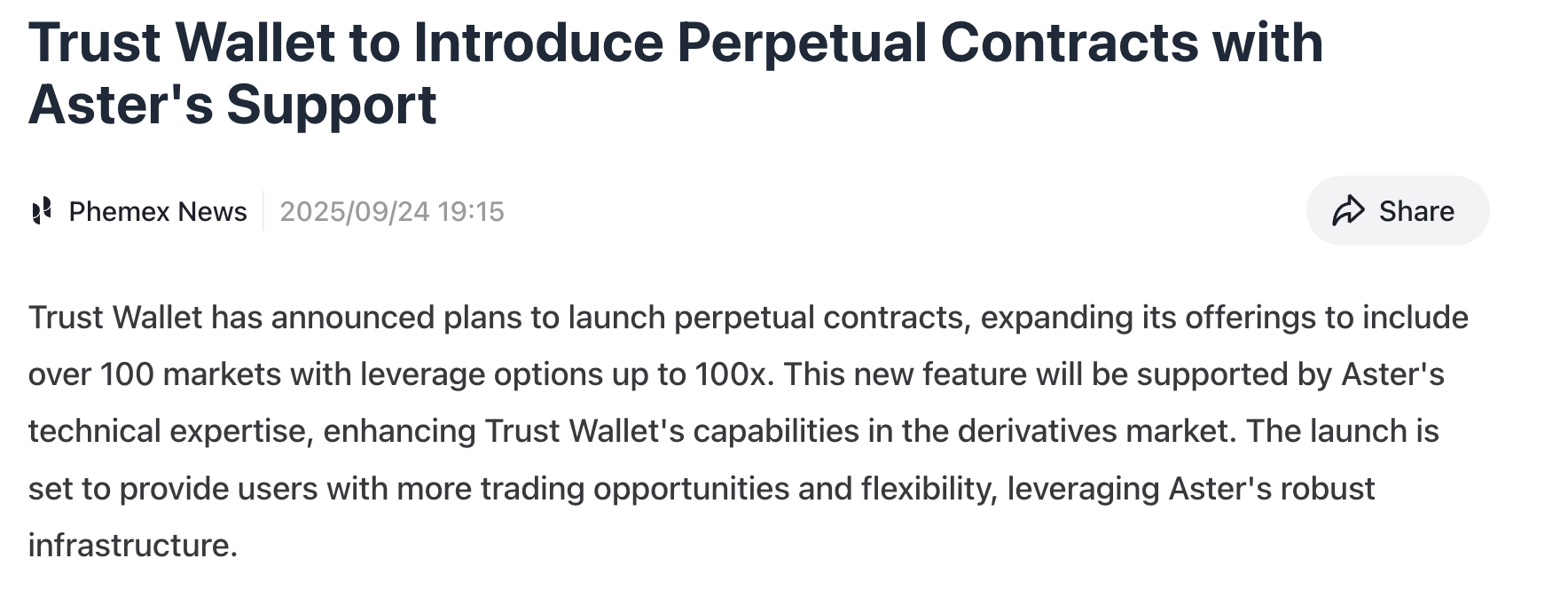
On this,
Have a good week chicos
From C-L, with love
📖 Recommended Reads
A great article from 0xsmac. We won’t spoil what it’s about, just read it.


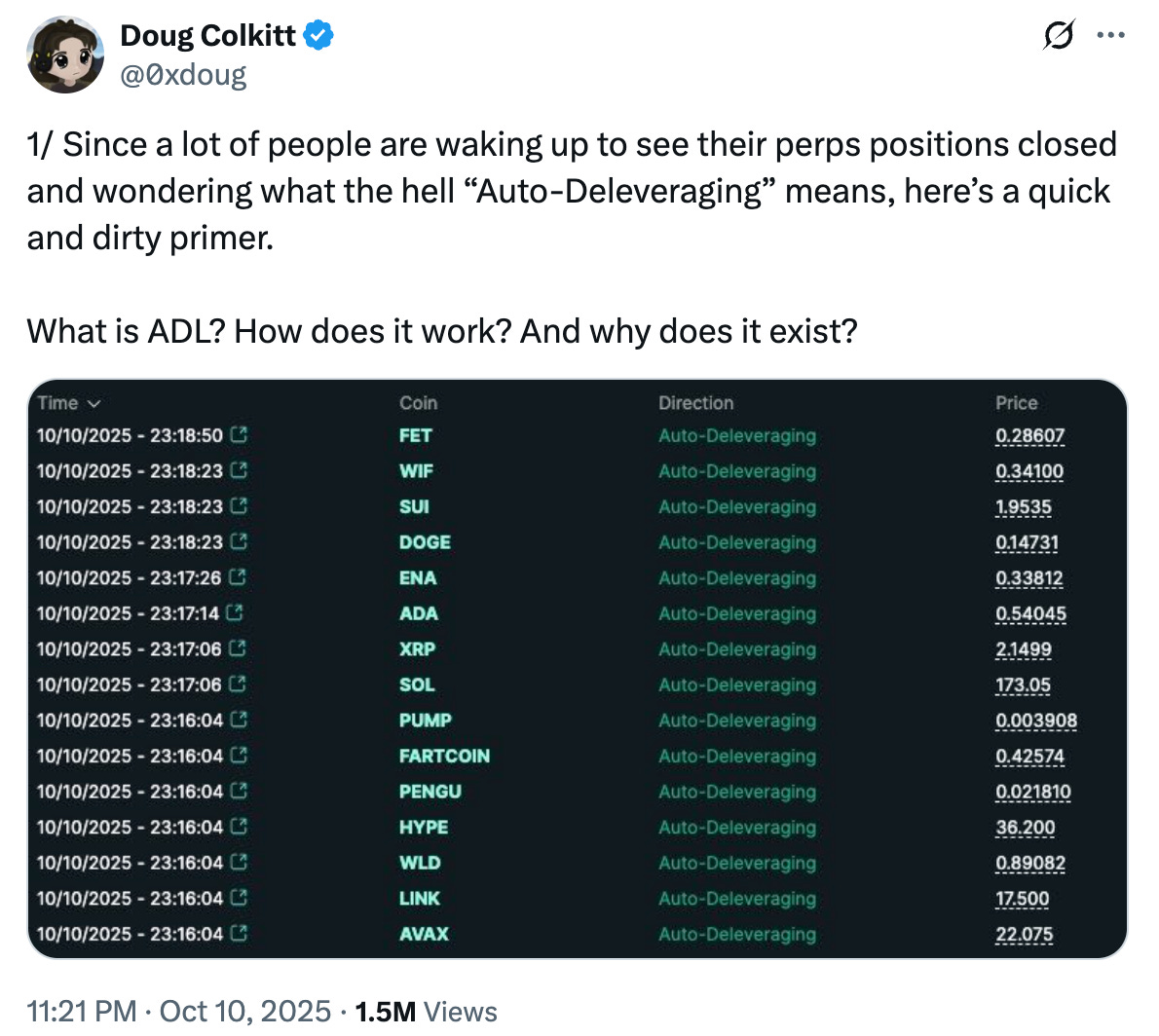
A look at ADLs and how they work by Doug Colkitt (important reading after this past weekend)

A good primer here by Intern on Monad’s airdrop claims and where to find relevant information


That’s it for today’s issue, we hope you enjoyed it.
You can check out our X for new research reports and weekly gigabrain content.
See you in the next issue,
The Castle Team

In our newsletter, we may discuss projects or tokens in which we hold positions. While we aim to provide informative content, our views are not financial advice. Please conduct your research and consult professionals before making investment decisions. Crypto markets are volatile, and past performance doesn't guarantee future results. Invest responsibly, and be aware of the risks. Your capital is at risk, and we do not accept liability for any losses.