

Selling blockspace is no longer a defensible business for blockchains.
For any blockchain, the core business is selling “blockspace”. But this offering is easily replicated and isn’t a differentiator. Almost every blockchain offers the same thing, and the only differentiating factor left in the conversation is “liquidity”. A chain with an already developed ecosystem and liquidity attracts more builders, which in turn increases the blockspace usage, a simple flywheel the blockchain business works upon.
Over time, as the industry grew technically, blockspace became cheaper, and even with more builders and usage, it contributed little to the chain’s revenue, resulting in an ever-increasing gap between the chain’s revenue and app revenue, making it difficult for chains to defend their valuation.
We covered this topic in detail in our latest report on The Verticalisation Thesis: How Blockchain Revenue Models Are Evolving, where we explored verticalised chains like Hyperliquid and how they maintain exposure to their whole ecosystem. We also highlighted other chains like Arbitrum (Timeboost), MegaETH (USDm buyback flywheel), and CEX chains expanding their revenue streams.


In this piece, we follow up on that report with recent developments within the category, with more chains now addressing the increasing gap between chain fees and application fees and trying to internalise more of the value their ecosystem produces.
We divide the chains we cover into two parts:
Ecosystem Expansion: Includes chains like Arbitrum and Polygon. Arbitrum Stack has grown and is now being used by chains like Robinhood, and Polygon is becoming a payments chain.
Product Expansion: Covers chains like MegaETH and Sophon, which are focusing on developing applications in-house.

Ecosystem Expansion
One primary way for a chain to increase its revenue is to expand its ecosystem.
Chains like Optimism pioneered this model and expanded their ecosystem through Superchain, where it provided its OP Stack to different Layer 2 (L2) networks and charged a greater of 15% of net onchain profits or 2.5% of L2 revenue. Their model worked pretty well and is now used by multiple L2s. But their revenue fell sharply when Base left Superchain in February this year. Base contributed over 90% of the Superchain revenue, way more than Optimism itself.
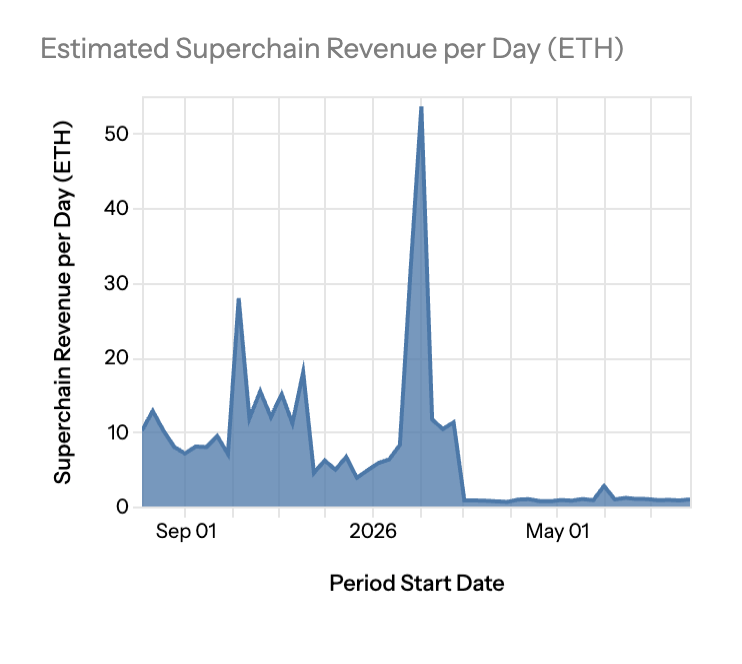
A few weeks before Base’s departure, OP token holders also approved a proposal that would accrue 50% of Optimism’s Superchain revenue towards OP buybacks. But as they lost the majority of their revenue in February, these buybacks were not able to accrue enough value to the token afterwards.
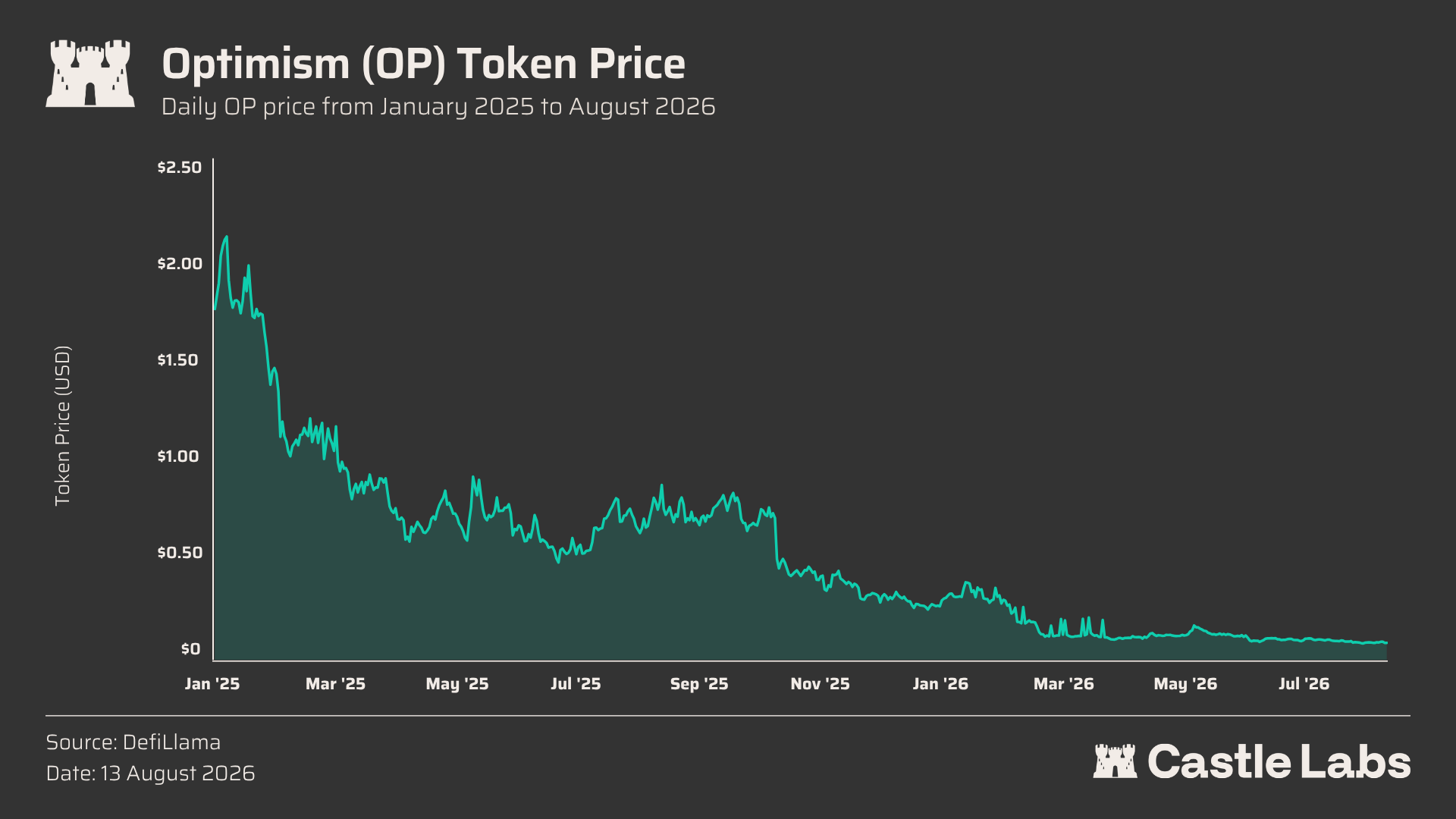
While the Optimism model showed cracks, it doesn’t necessarily mean that expanding the ecosystem is inherently a bad choice. Superchain is still used by multiple networks and is a growing Stack adopted by chains like Celo, Ink, Unichain, and others.
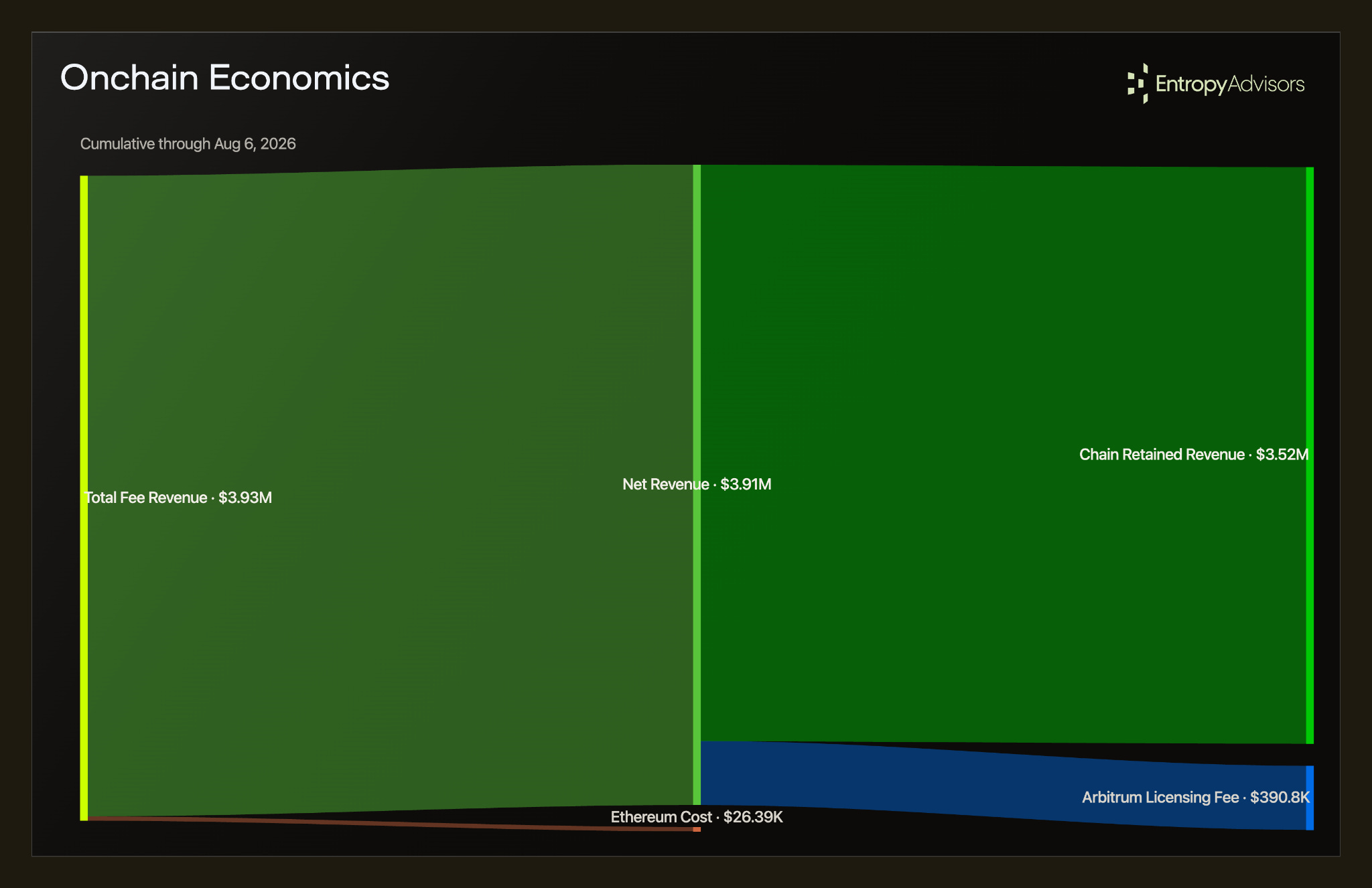
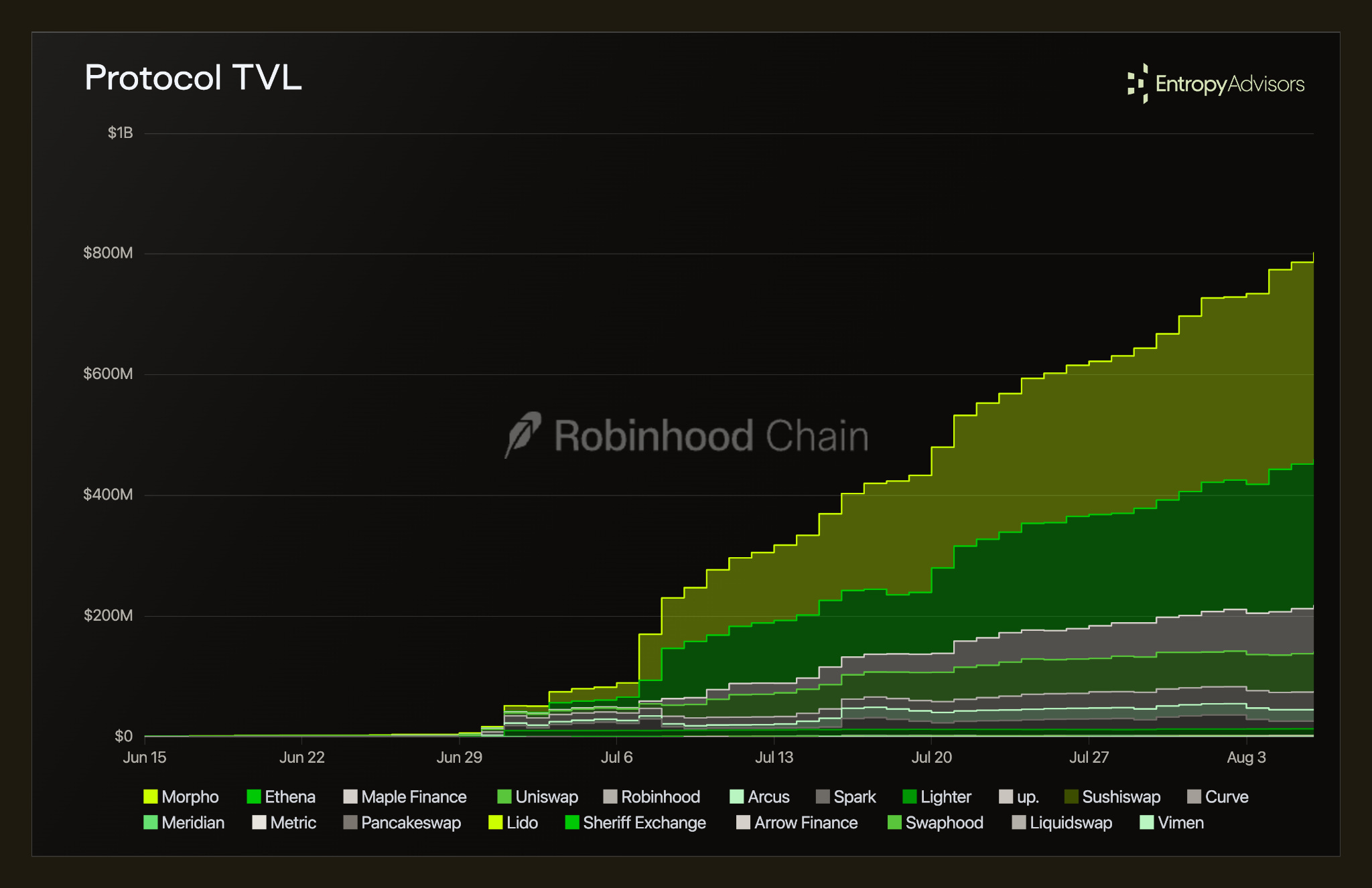
Similar to Optimism, Arbitrum has also built its own Stack called Arbitrum Stack, and is a perfect example of how betting on the chain stack can be highly fruitful. Robinhood launched its own L2 using Arbitrum Stack last month and has generated ~$4m in revenue so far, making ~$390k to Arbitrum, following a 90/10 revenue split.
Along with Robinhood, Arbitrum Stack is used by Plume Network, an RWA chain, but Robinhood has been the biggest contributor to their stack growth so far, which currently has over $800m in total value locked (TVL). Additionally, the Robinhood deployment also increased Arbitrum’s ecosystem tokenised stocks footprint, as it is the chain focused on tokenising equities onchain, which stands at $25 million. Within only a month of launch, Robinhood Chain is already half of Arbitrum TVL, which is $1.63 billion.
With this ecosystem expansion, Arbitrum has also launched Timeboost, a policy where users can pay more for prioritised transactions. Since its launch in April 2025, Timeboost has contributed over $7.7 million towards the treasury.
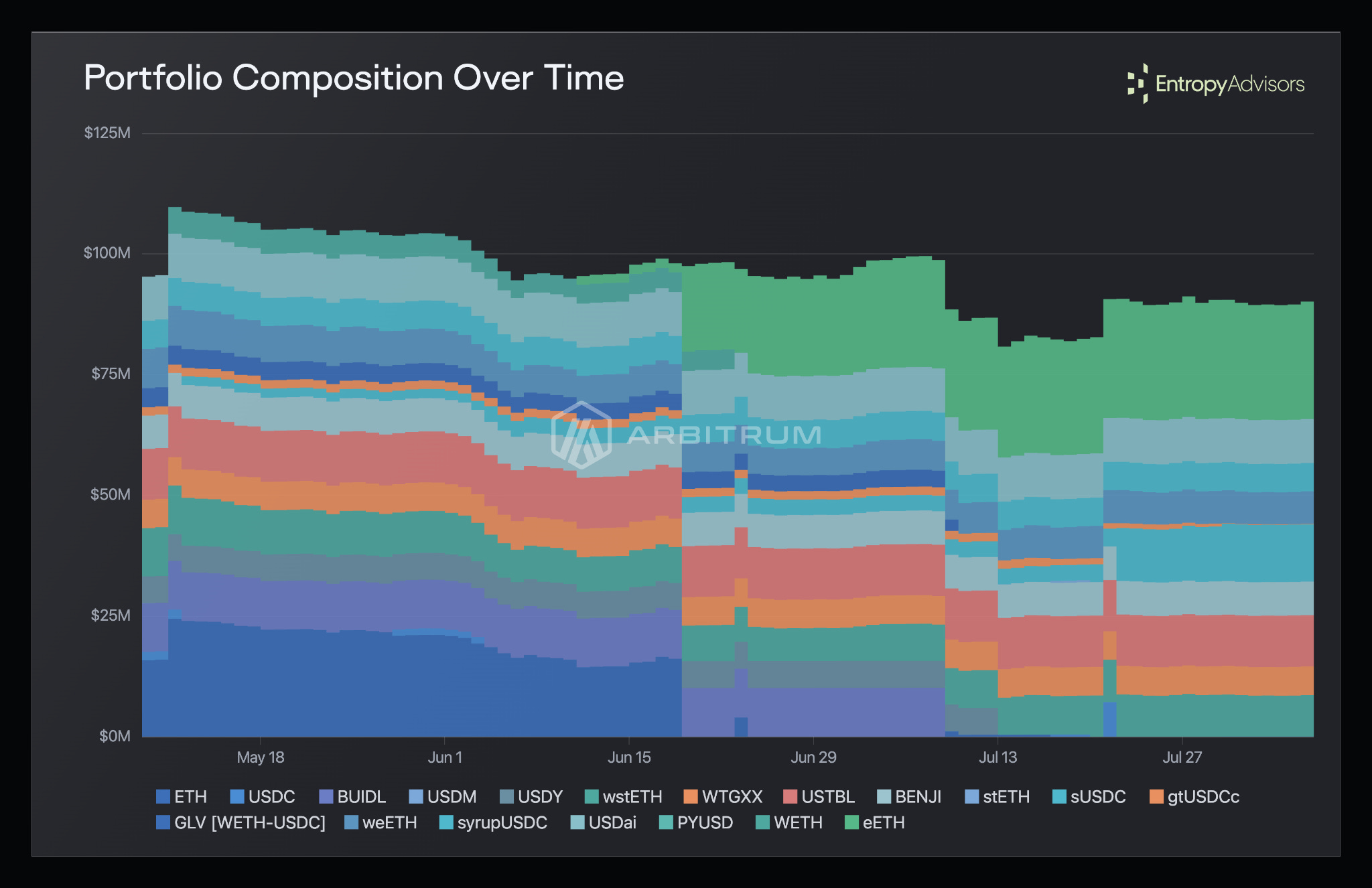
When Arbitrum accrues revenue, it puts it to use. Arbitrum DAO treasury is also home to multiple onchain and offchain deployments, earning a yield on its treasury. On the net deployment of $90 million, it has generated $4 million in interest. This is a strategy many DAOs and treasuries can adopt, as most get stuck holding native tokens that go down over time, impacting treasury sustainability.
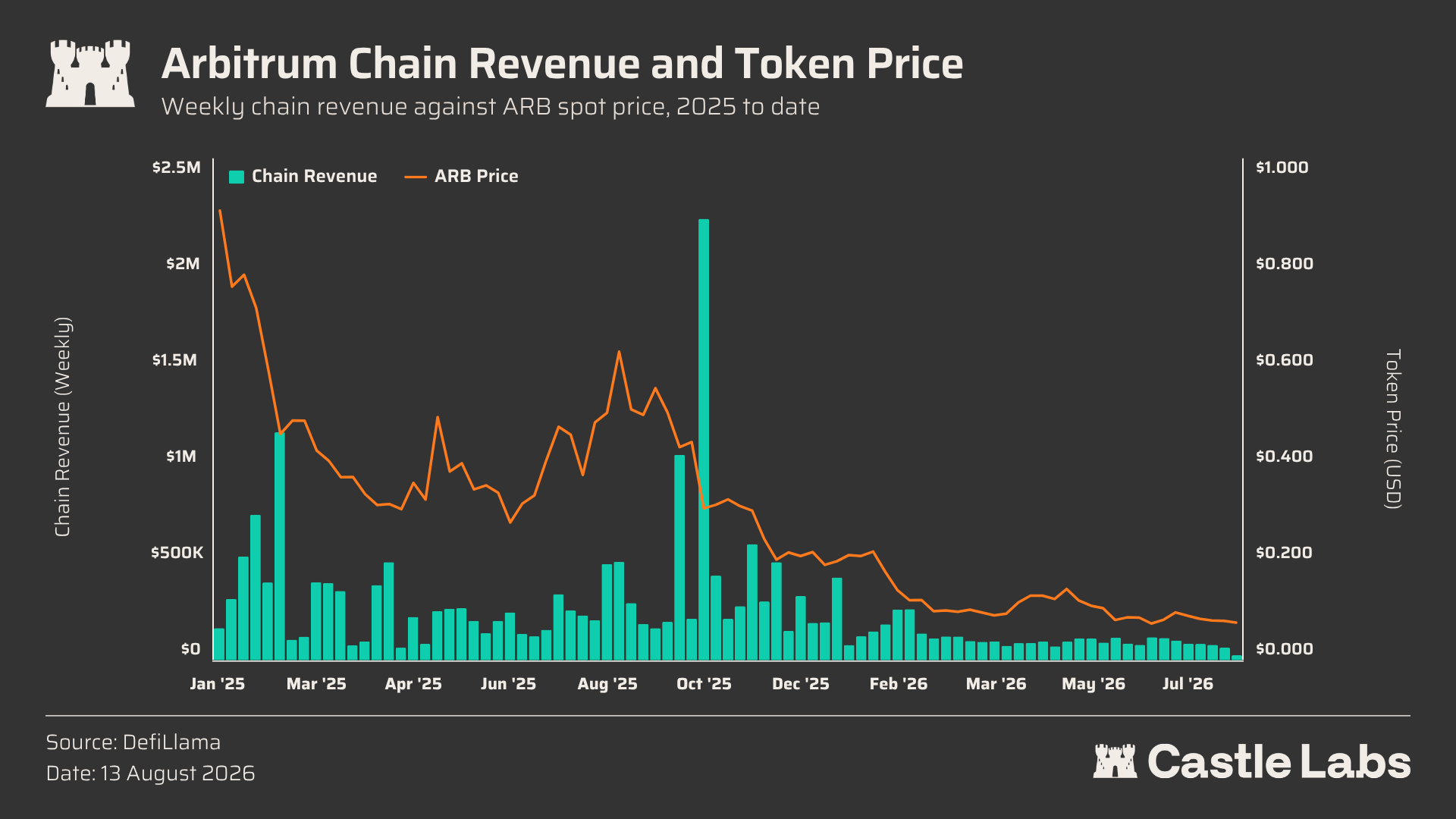
Though Offchain Labs, the team behind Arbitrum, announced its buyback program last year, we have not seen a link between the success of the Arbitrum stack and the ARB token, which continues to depreciate in value through constant token emissions and unlocks.
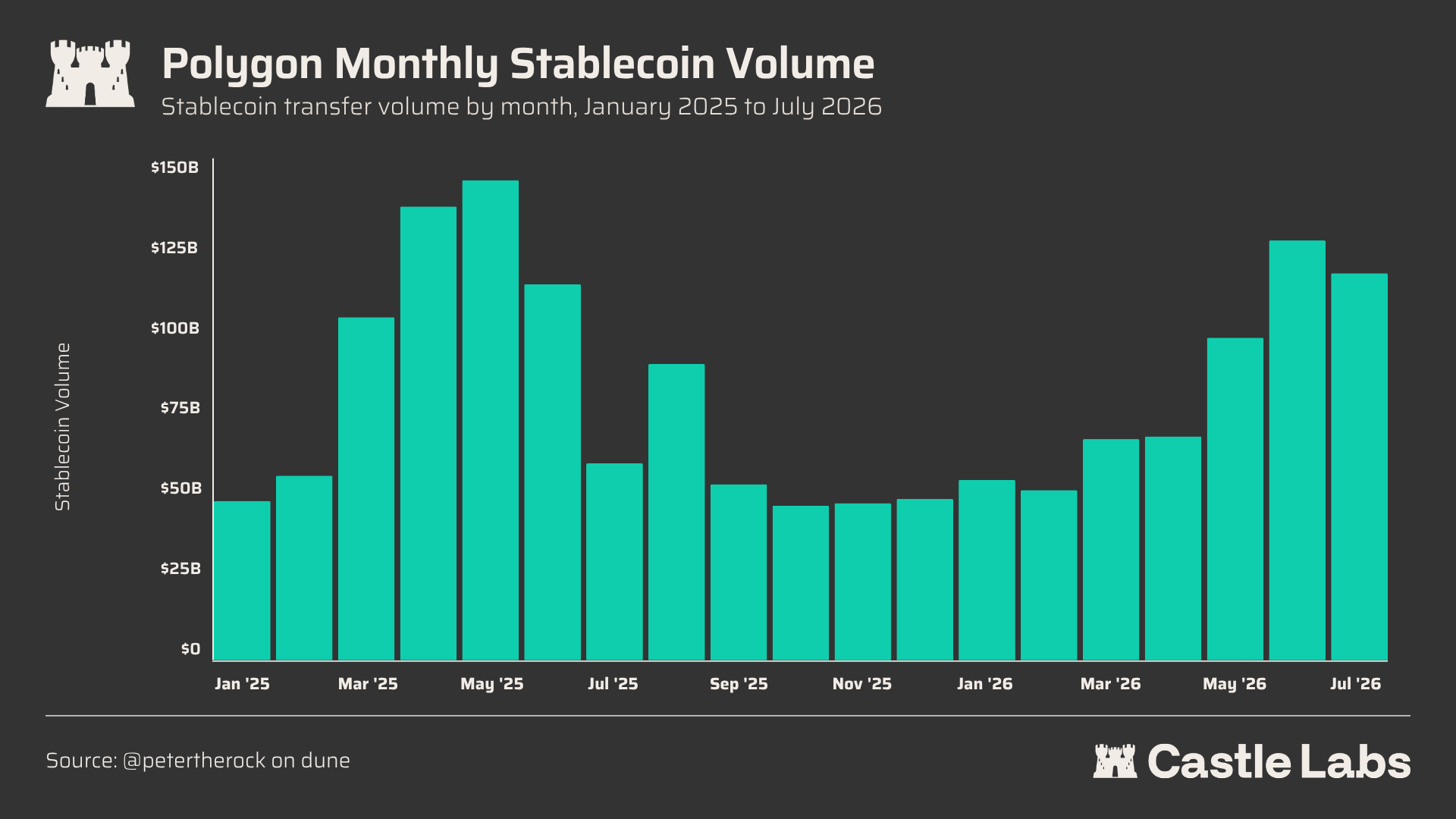
Another chain focused on ecosystem expansion is Polygon, which is aiming to position itself as a payments chain for fintechs and general use.
This positioning makes sense for Polygon as it’s currently used by giants like Stripe to route stablecoin payments, and Mastercard uses it to settle merchant payouts and to power its Agent Pay product. Similarly, other products like Revolut, Paxos, and Cash App use Polygon infrastructure. They prefer Polygon due to its high throughput and ultra-low fees that make interaction with their infrastructure cheap. On top of this, they are working on facilitating enterprise-grade controls that help Polygon become an easier choice amongst large fintech companies.
Polygon has so far processed ~$2.9 trillion in stablecoin volume, with its stablecoin supply currently sitting at $3 billion, growing by over 80% since 2025.
While the chain’s payment usage is growing, the majority of its revenue still comes from its Polymarket deployment. Following this concentration and potential single point of failure, Polygon is constantly pushing to expand to other revenue sources.
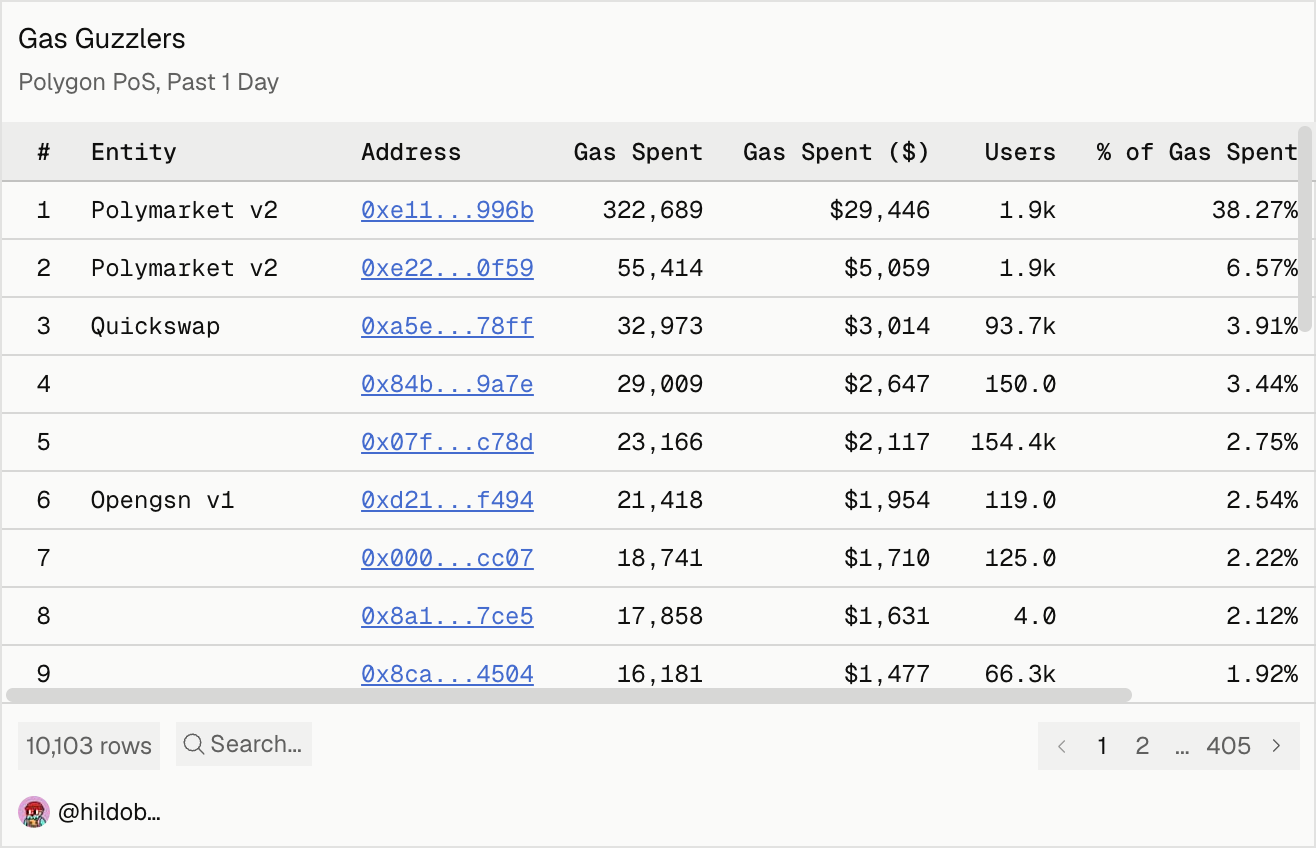
Similar to Arbitrum, Polygon distribution has not been reflected in the accrued value of its token, which has performed poorly due to constant emissions, though the chain is constantly making good revenue and is often in the top 3 by chain revenue and buyback tokens, which, however, cannot cancel out the consistent sell pressure on the token.
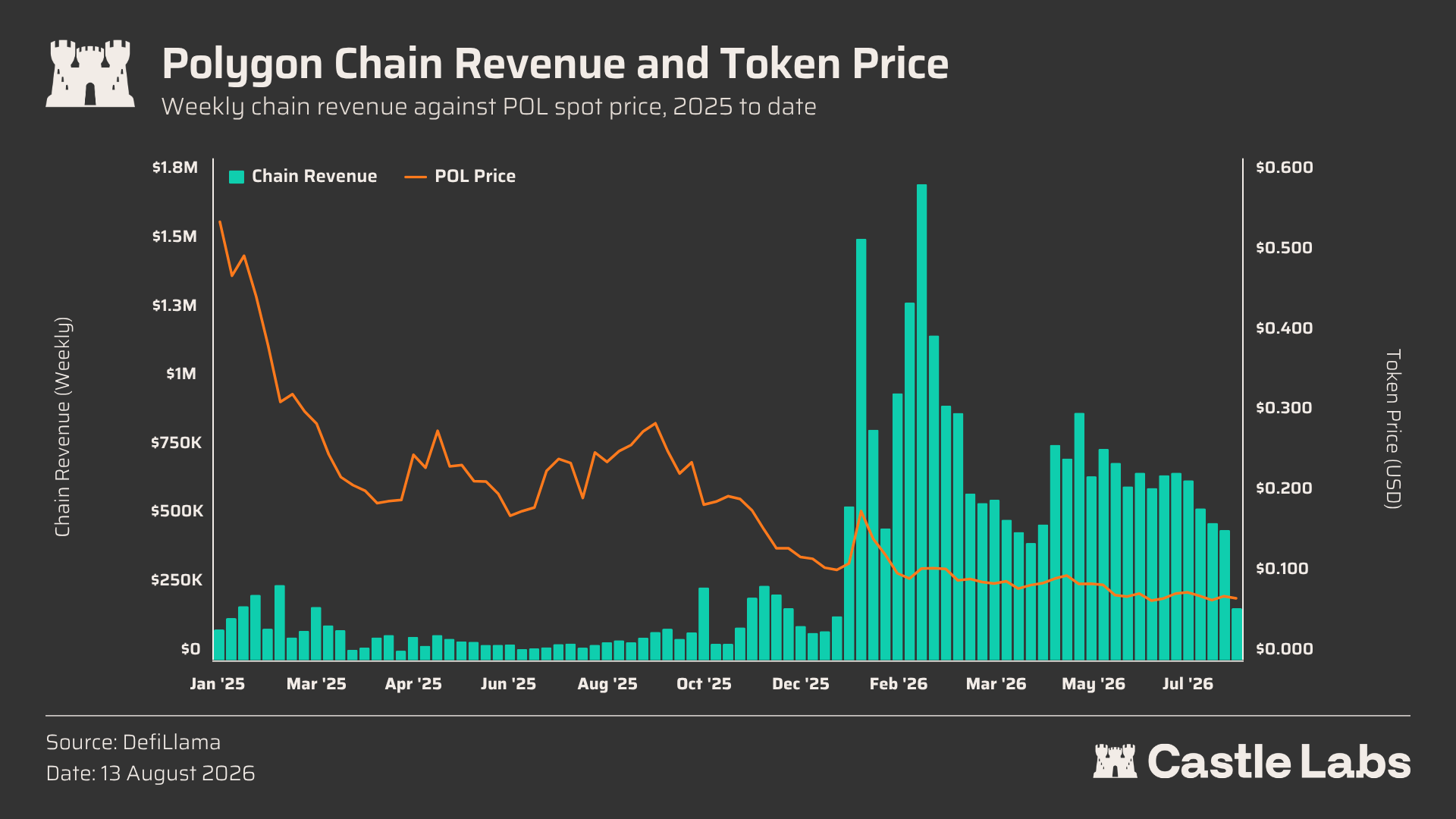
While ecosystem expansion is great, some chains are addressing the revenue issue by owning more of the exposure their chain produces and directly building the products on their infrastructure.
These are the products we explore in the section that follows.
Product Expansion
A newer way chains are adopting to address the lacking link between the growth of application fees and chain fees is verticalisation, i.e., building the applications themselves.
Applications accrue tons of fees but don’t trickle down to the chain level, a problem actively faced by most chains.
Looking at the last 30 days’ application fees vs chain fees for different chains, the latter accrue so much less value while the revenue their applications are making keeps increasing.
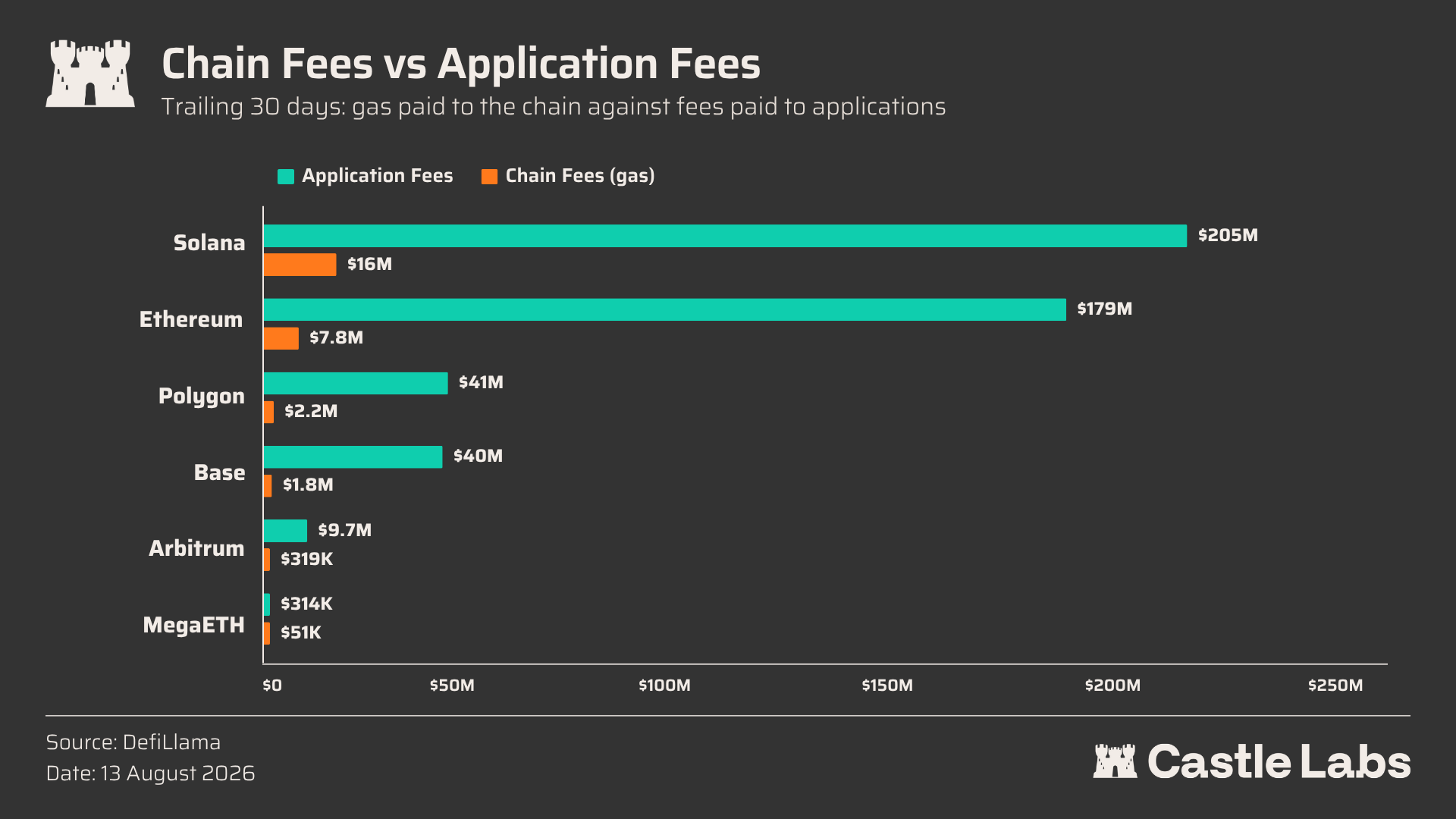
This is expected because the chain fees have reduced over time, as we already established at the beginning of the piece. Chains were initially conceived as infrastructure providers: a healthy chain would have higher application fees but low chain fees, making it an efficient chain for deployment. At the same time, without revenue generated from fees, chains have a hard time sustaining their valuation, tokenomics, and running the business sustainably.
This is why some newer chains like MegaETH, Sophon, and even some older chains like Sei are moving toward becoming application builders themselves to potentially internalise these revenues rather than leaking them to third-party apps.
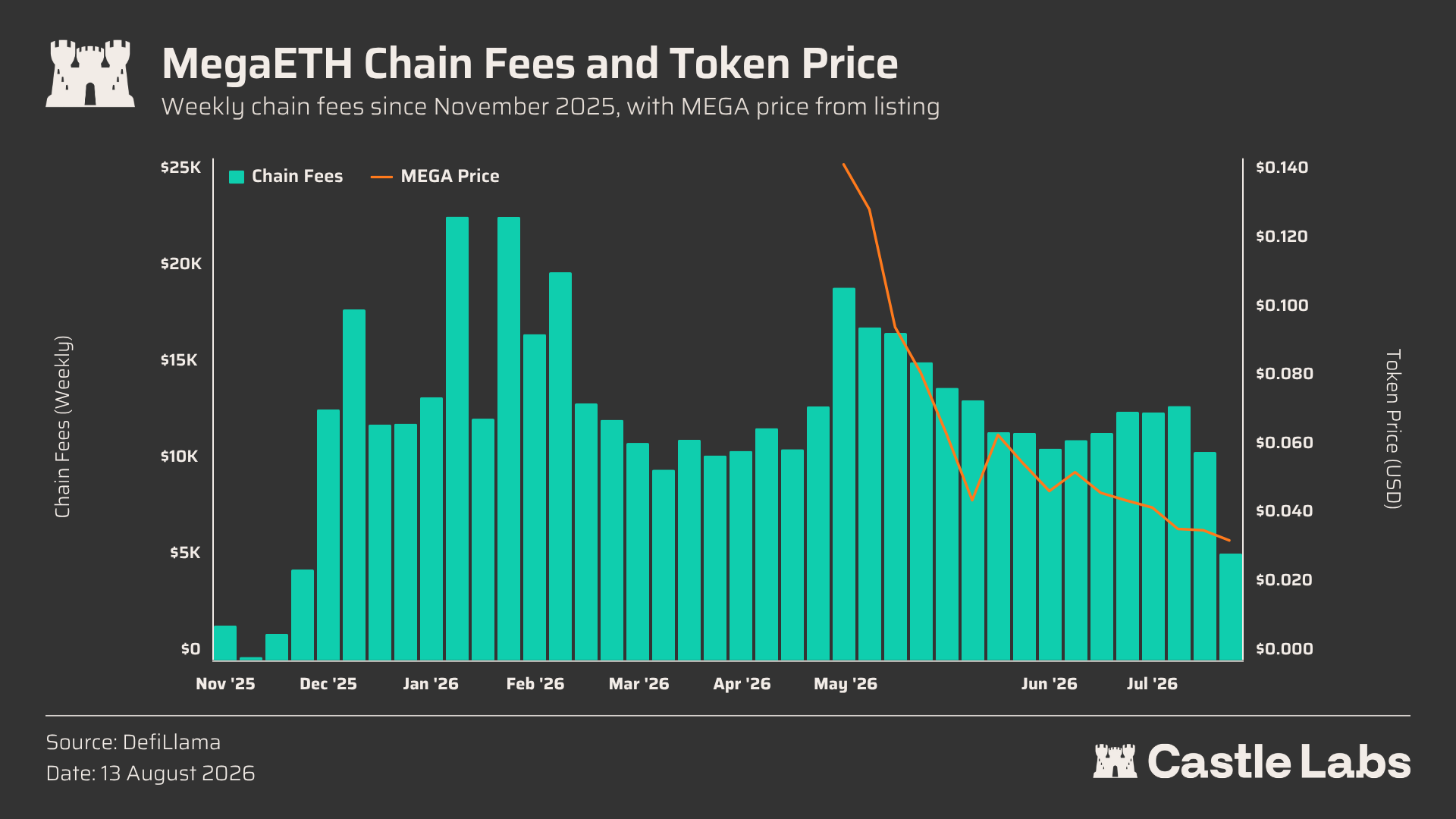
MegaETH, which launched pretty recently, has addressed the gap in application fees and the exposure the chains have. To address this, they have renewed their team’s focus on building applications on their own chain while still supporting the OMEGA applications (the applications that are only possible to build on MegaETH due to its super low-latency and high throughput). This is quite a pivot from their initial approach on horizontal ecosystem development.
“We’re redirecting the energy we were lending to third-party builders into our own first-party applications: consumer-grade apps, built directly by us, for the people we’re trying to serve.” - Shuyao Kong, MegaETH
Another effort from the MegaETH team is owning the value generated by the stablecoin on its chain. They did this by introducing USDm (MegaETH USD), a white-labeled stablecoin launched in collaboration with Ethena, which deposits in the BlackRock BUIDL fund, yielding them a near-SOFR rate on the chain’s stablecoin supply.
At the current supply of $18 million, it would yield $650k yearly at a SOFR of ~3.6%, a value that goes toward MegaETH buybacks and burns. Nonetheless, this revenue source is highly dependent on a successful ecosystem where the stablecoin is utilised. As it stands, USDm supply is down over 95% from its peak of ~$600 million in May this year due to the chain’s declining usage.
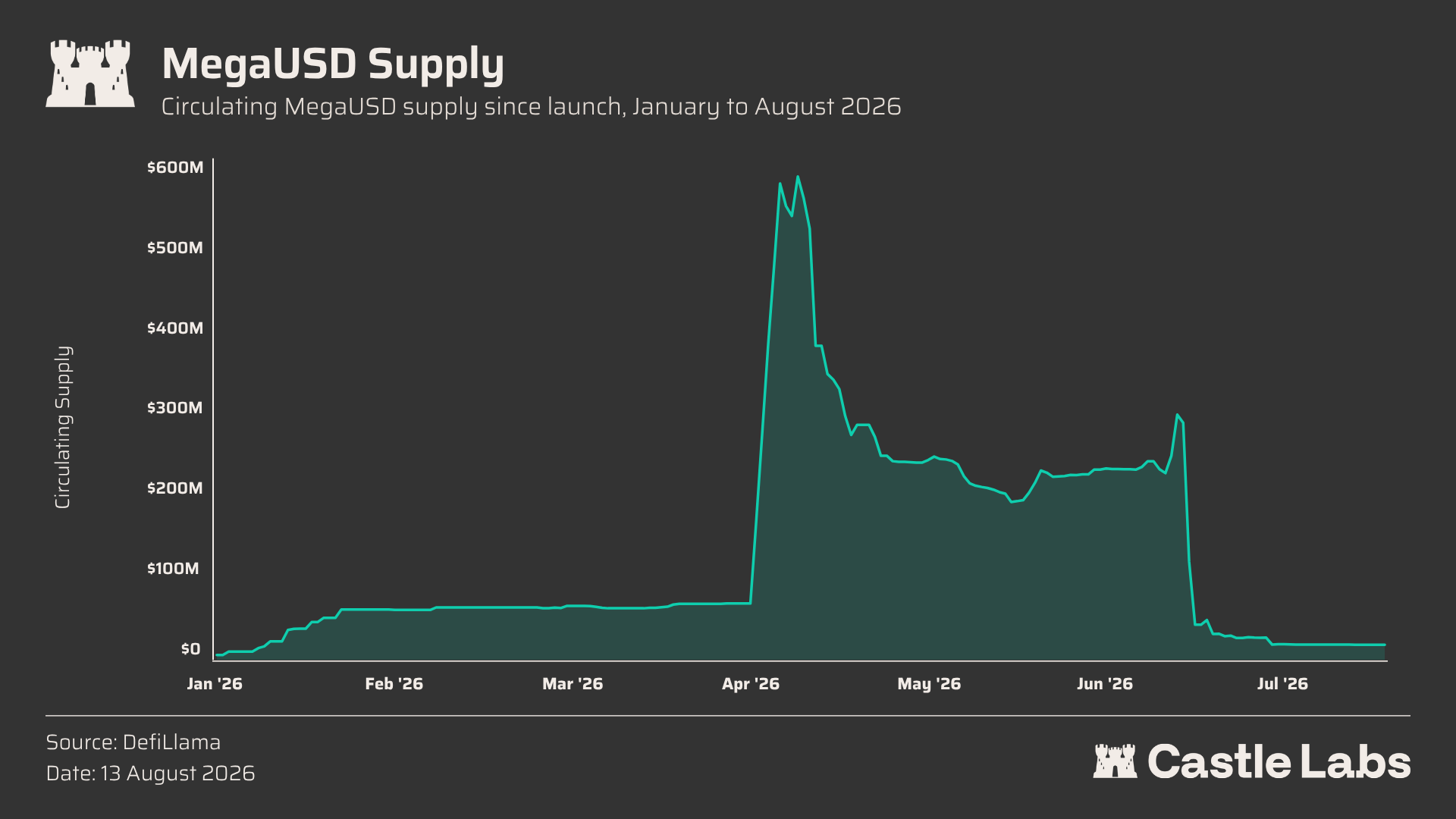
While actively working to accrue more chain revenue, these efforts haven’t been very fruitful, and the chain has struggled in terms of adoption and the token price. Among other things, including communication struggles, a limited ecosystem and indecision around some steps of the launch, one of the reasons behind the sudden drop in usage for MegaETH is the lack of an active incentive program that could attract liquidity (something that its competitor, Monad, is instead doing at full throttle, and is paying off with over $400 million in TVL accrued in the last month alone).
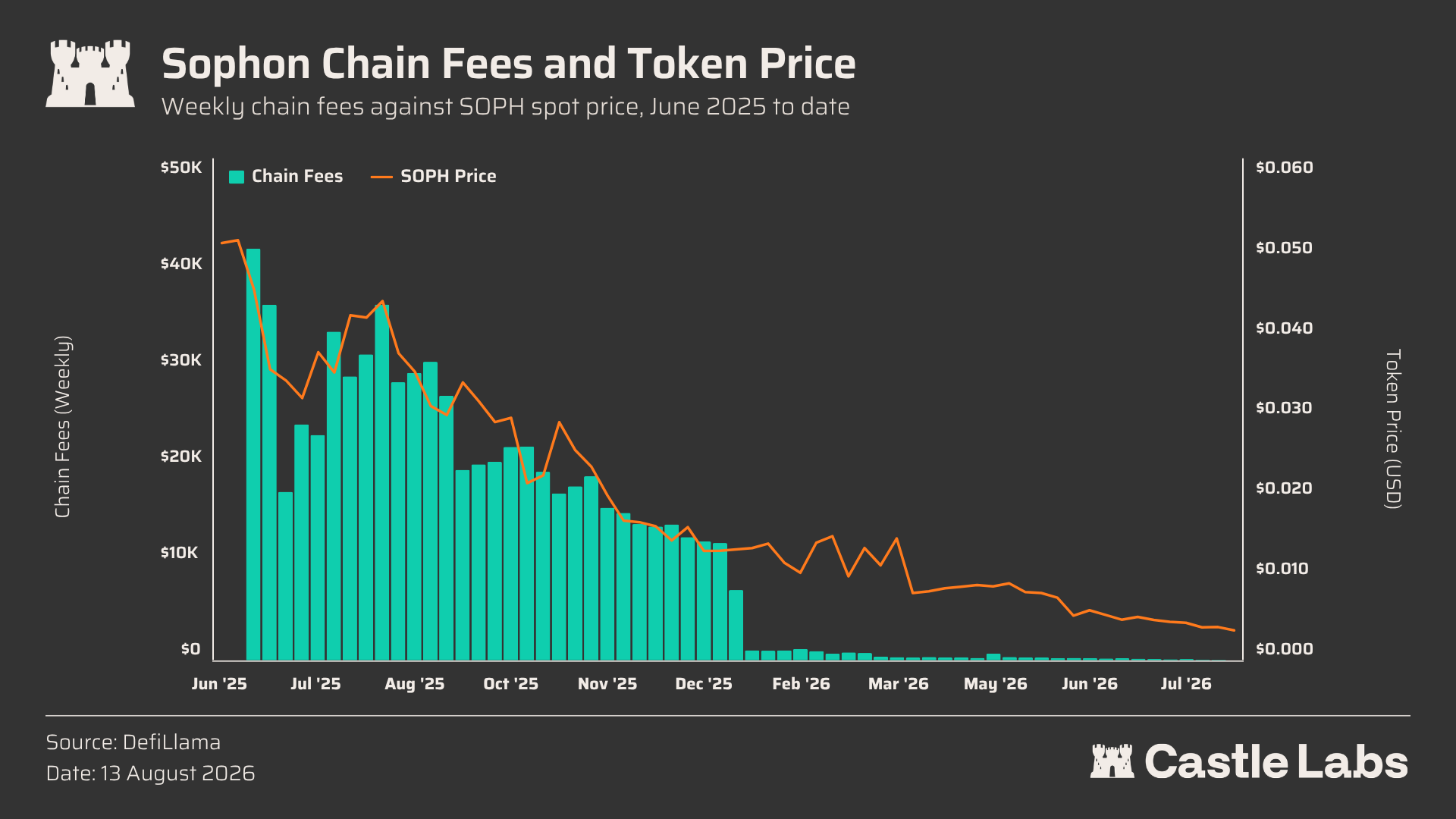
Another chain that is focusing on developing its own applications is Sophon, which shut down its chain operations and has turned into an active builder on the base chain. This is different from MegaETH because Sophon didn’t find any adoption in their chain, and they just decided to close it and move on, pivoting as a builder. The first application they are building is Pyre, a crypto card.
Similar to others, their price action is disappointing due to low chain adoption (now closed) and the failure of their “entertainment and consumer application” thesis, which didn’t attract many builders in the category.
The applications space in crypto is huge, with great opportunities to build and have a huge audience to cater to, making the pivot by these chains sensible. Recent applications such as FWA, Fomo and the most well-known Pumpfun and Polymarket act as best-case scenarios of what this would look like.
Closing Thoughts
There are hundreds of chains offering almost the same thing, blockspace, making them harder to differentiate from each other unless liquidity follows.
This liquidity-as-a-moat works for incumbents, and they keep attracting more builders and accruing chain fees, but for newer chains this struggle continues because to attract liquidity they have to provide incentives, and once that tapers off, liquidity might just leave, as seen in the case of MegaETH.
While liquidity is the differentiator, it’s not enough to justify the high valuation multiples blockchains carry today because the fees they earn are not enough.
Things are changing, and chains are understanding this fact and are actively pushing towards becoming more than chains, either by expanding their ecosystem offerings or by adding value to their own ecosystem by building applications themselves, as we saw in the case of Arbitrum, MegaETH, and others.
This can be extrapolated as a broader return to utility.
The bottom line for any network is to have users and utilisation.
For years, chains have focused on building around it, benefiting from hefty incentive programs and buying loyalty from participants. In fact, chains need applications more than the other way around.
Finally, chains are focusing on solving this principal-agent dilemma by verticalising and building applications themselves.
Chains are becoming more than chains.
Will this pay off?
Competition is on.
written by @Noveleader
Every week for the last 3 years, we have shared our research for free, directly in your email. Not a subscriber yet? Let’s fix it:
https://research.castlelabs.io/subscribe
PLUS, don’t forget to join our Telegram channel for the latest updates from Castle and all our research: Link here
v well written!! it would be cooler to see chains to experiment with new apps rather than rebadging the same stuff and sell to the same set of institutions and (small) retail
👀